The procedure after a subsequent application
If you apply for asylum again after a negative decision, this is called a subsequent application. This can happen if your situation has changed or if you have new information or documents that support your case.
In this procedure, the authorities first check if there is something new in your application. Only then will they decide if your case will be examined again.
On this page, you will find important information about what this means, how the procedure works, and what your rights and duties are.
What is a subsequent application?

When you apply for international protection (also known as asylum) for the second time or more in any EU+ country, your new application is called a subsequent application.
Your new application is a subsequent application even if your previous application was made in another EU+ country.
A subsequent application is not an appeal of the previous decision you received. You can make a subsequent application only when the procedure concerning your previous application has been finalised. This means that:
- you have already received a decision on your previous application
- there is no appeal ongoing, and
- the time limit to lodge an appeal has expired.
Simply disagreeing with the previous decision is not a reason to apply for international protection again.
If you make a subsequent application, you need to present new elements (such as evidence or documents) that support your claim of being in need of international protection.
What are new elements?

New elements are elements that support your claim for international protection and which you were unable to present during your previous application(s).
New elements can be new documents or evidence that you received or events that happened after the date of the decision on your last application, for example:
- new events that happened to you
- new events that happened in your home country
- changes in your personal situation.
Exceptionally, new elements can also be elements that existed during your previous application, if one of the following reasons apply.
- It was not possible for you to know these new elements at the time of your previous application.
- For good reason, you could not talk about these new elements. In this case, you will need to explain these reasons.
The information that you presented in your previous application will be taken into consideration. Your previous application however will not be examined again.
What is the procedure?
After informing the authorities that you are applying for international protection again (which is called a subsequent application), there are several steps in the procedure.
Registration and lodging include the following aspects:

Your fingerprints will be taken.

Your photograph will be taken.

You will be asked to present all your identity, travel and any other relevant documents as well as new documents in your possession.

You will be asked to provide your contact details (address, a telephone number and an email address).

You may have to undergo a medical check.

You and your belongings may be searched. Your personal belongings remain your property and will be returned to you, except for any belongings that are considered dangerous.

You will be asked to
- provide your personal details and information about your family members residing in this country or another EU+ country (if any);
- explain the reasons for making the subsequent application.
You will be asked to do the following:

- Submit all information and documents available to support your application. This includes the new elements based on which you made a subsequent application. New elements can be new facts or evidence suggesting that you need international protection.
- Answer questions about your previous applications for international protection.
Once your application is lodged, the next step is the preliminary examination of your application.
During the preliminary examination, the authorities will assess whether the elements you submitted are indeed new and whether these elements are likely to change the result of your previous application that was rejected.

During the preliminary examination, you may be invited to an interview. If you’re not invited to an interview, the preliminary examination will be based only on the elements submitted in the file.
As a result of the preliminary examination, your application can be either considered:
- admissible, or
- inadmissible.
If your application is admissible, your application will be examined further. This means that you will follow the same steps as in the standard asylum procedure.
If your application is inadmissible, it will not be examined further and the procedure will end. The authorities will inform you about the reasons your application was found inadmissible. You will be notified of the decision in writing. If you do not agree with the decision, you can appeal against it. You can ask for a legal adviser free of charge to help you appeal.

Admissible application
Your application is admissible if you present new elements in your application and these new elements suggest that you need international protection.
Inadmissible application
Your application is inadmissible if you do not present new elements that suggest that you need international protection.
If your application is found to be admissible, the following steps will apply:
If your application is admissible, the authorities will examine the reasons you are asking for international protection and why you do not want to return to your home country (which is called an examination on the merits). If your application is admissible, it will follow the same steps as in the standard asylum procedure. However, the time to examine your subsequent application might be accelerated.
You will be invited to a personal interview, unless the authority can directly take a positive decision based on the elements in your file.

Possibility to Appeal
The authorities will notify you in writing as to whether you have been granted international protection or not.

If you do not agree with the decision, you can appeal it.
Your rights and duties in this procedure
During the subsequent application procedure, you generally have the same rights and duties as other asylum applicants. The same consequences may also apply. You can find more information here.
However, there are some specific rules regarding a subsequent application. These exceptions are explained below.

If it is your first subsequent application, in principle you are allowed to stay in this country until the examination of your application is concluded.
You may not be allowed to stay during the examination of your application if:
- it is your second or further subsequent application; or
- you applied for international protection only to delay your imminent removal from this country.

You may not be allowed to stay during the appeal procedure. In this case, you will be informed by the authorities about the reasons and if you can request to be allowed to stay during the appeal procedure and how.
During your stay, you will receive reception support and services; however, these might be limited based on an individual decision by the relevant authority.
You can find information about the reception support and services here.

You can ask for legal counselling, free of charge, during the asylum procedure.
Legal counselling means that you can receive general explanations on:
- your rights and obligations in the asylum procedure
- the different procedures
- general legal questions regarding the asylum procedure
You can request information and legal counselling here.
It is possible that you will not be invited for a personal interview and that the procedure will be very short, taking only a few days or even only a few hours. Therefore, it is important that you tell the authorities without delay all the reasons and the new elements for which you are applying again.
You have to present original documents, wherever possible. You must not submit a fake document.
You should submit all information and documents as soon as possible when lodging your application. If you don’t have the documents immediately available, you must submit them as soon as possible, until the decision on your application is made.
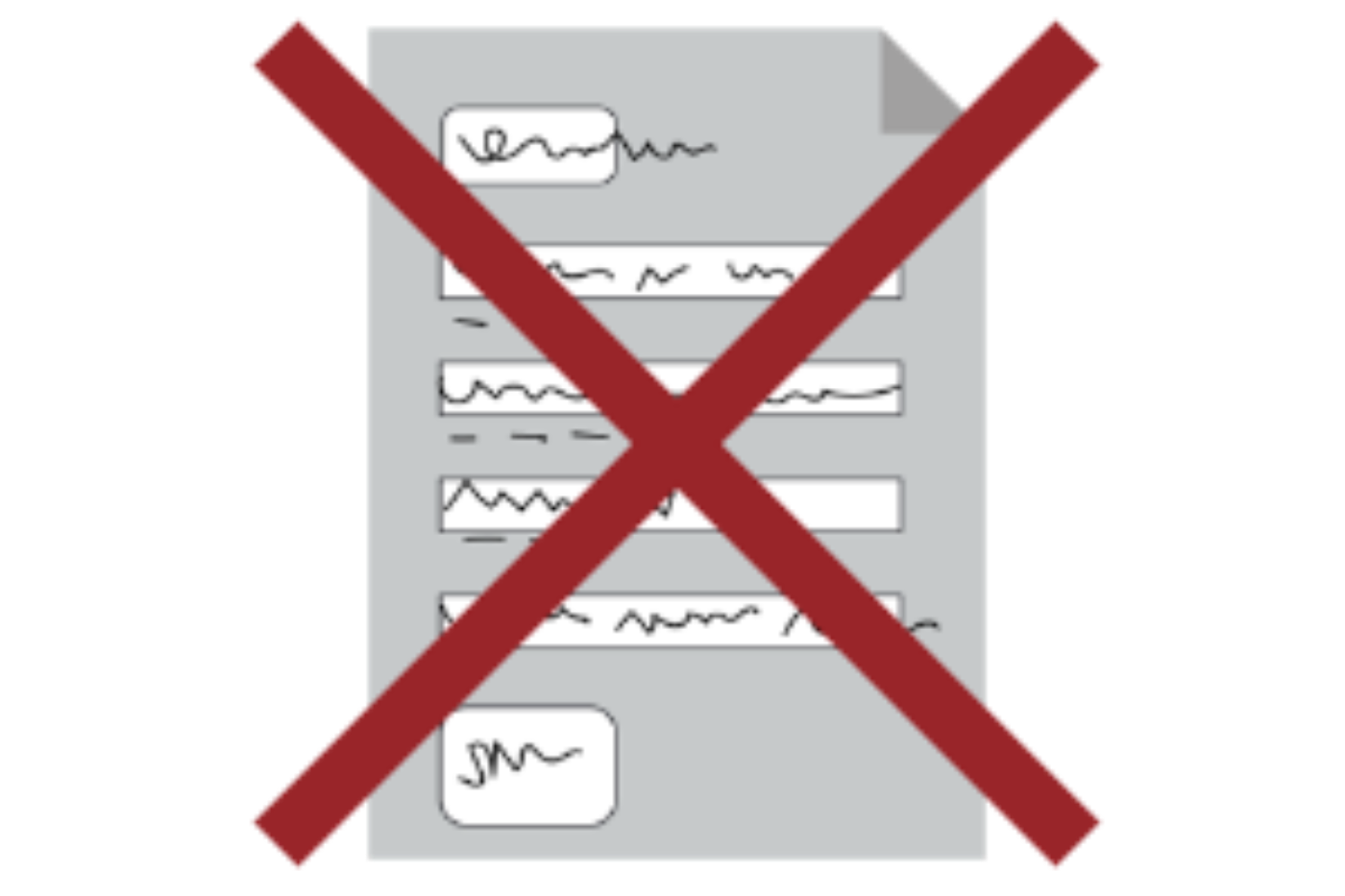
If you provide misleading or false information related to your identity or your application, or if you destroy or forge documents, this may have a negative impact on your application, for example as follows.
- Your application may be rejected and you may not obtain international protection.
- Your application may be examined in the asylum border procedure (if this happens, you’ll receive specific information on the procedure).
International protection could also be taken away from you if the authorities find out later that you did not tell the truth during the asylum procedure.
What happens if your subsequent application is admissible?
If your subsequent application is admissible, it will be examined further. This means that you will follow the same steps as in the standard asylum procedure.