Lodging the application
In this step, you formally submit your application for asylum.
This is the official start of your asylum procedure.

What happens in this step?
Once your application has been registered, you will have to lodge it at the place, on the date and at the time that will be communicated to you during the registration.
The lodging of your application must take place at the latest within 21 days of the date of the registration of your application.
It is very important that you lodge your application. If you fail to lodge your application, it will be considered withdrawn, unless the reason for this failure is beyond your control. This means that you will lose your status as an applicant, your right to support and services, and the right to stay in this country.
You will be asked to submit all the information and documents available to support your application. This includes information and documents regarding:

- your home country and every country you have lived in
- the reasons you left your country and why you do not want to return
- your background and that of your family
- details of your journey to and through Europe
- any previous applications for international protection.

Once you have lodged your application, you will receive an official document stating that you are an applicant for international protection.
This document will state your name and your personal data. You must carry it with you all the time. This is not a travel document.
Take care not to lose it and don’t give it away to someone else.
Your rights in this step
From the moment you apply for asylum, you have important rights. The most important rights during lodging are explained below. You can find a full overview here.

If you do not speak German, an interpreter will help you to communicate with the authorities during the registration and the lodging of your application as well as during your personal interview. The interpreter is free of charge.
The interpreter is neutral, meaning they do not favour anyone. They respect confidentiality and will not share anything you say with anyone outside of the competent authorities.
The interpreter has no influence on the decision on your application.
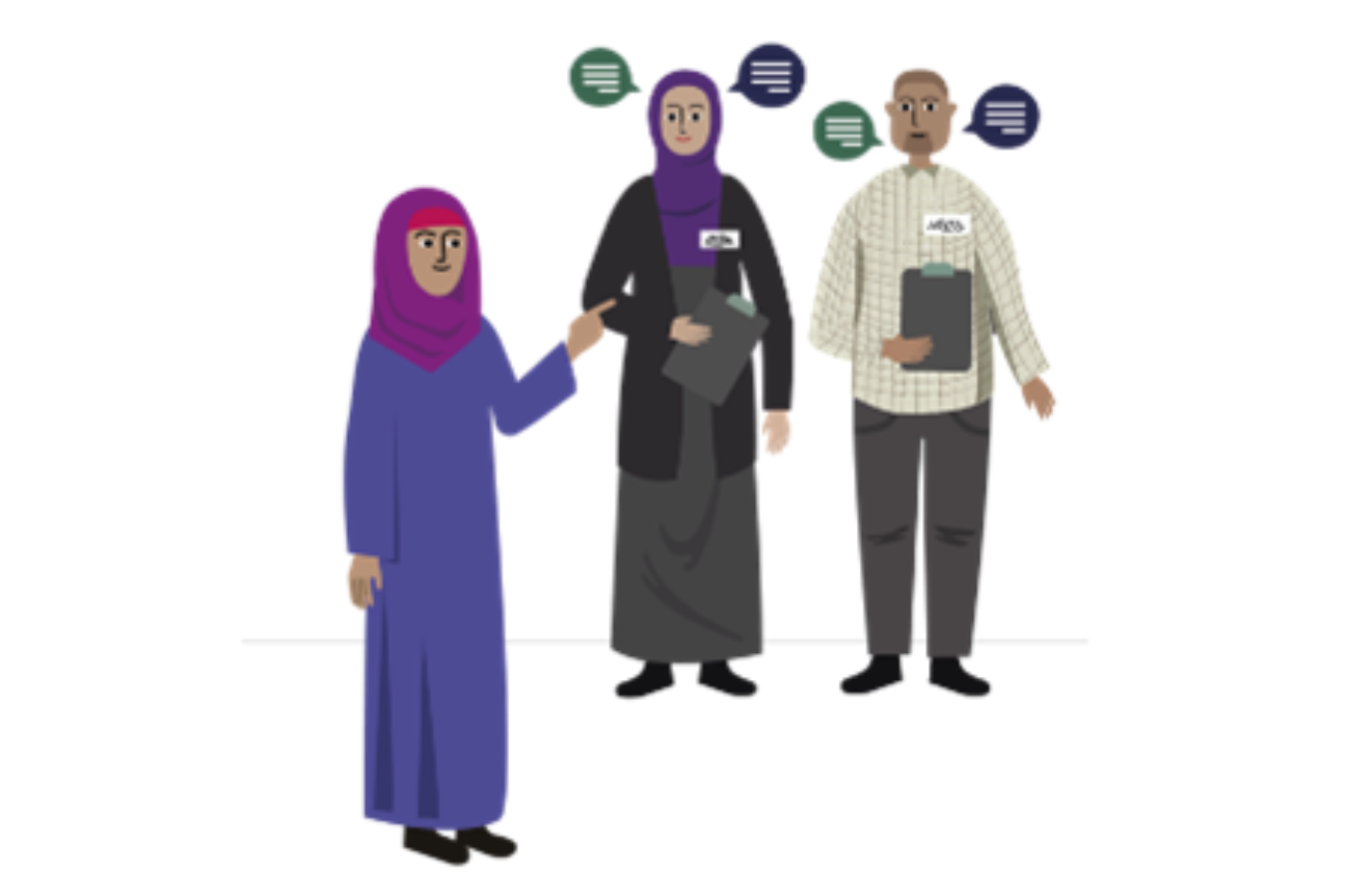
Inform the authorities immediately if you do not understand the interpreter or you think that the interpreter is not neutral.
You can ask for a male or female interpreter and interviewer for your personal interview, if this helps you to fully express yourself. Depending on your reasons and if there is availability, your request will be met.

You can ask for legal counselling, free of charge, during the asylum procedure.
Legal counselling means that you can receive general explanations on:
- your rights and obligations in the asylum procedure
- the different procedures
- general legal questions regarding the asylum procedure
You can request information and legal counselling here.
Your duties in this step
From the moment you apply for asylum, you also have certain duties. The most important duties during lodging are explained below. You can find a full overview here.

If you have identity documents, you must present them as soon as possible.
You must submit any other information and documents that may help the authorities to examine your application or to decide the country responsible for the examination of your application. These documents can be, for example, a passport, wedding certificate, family book, military ID card, evidence of employment, membership card of a political party, certificates, court and police reports, photographs and medical or psychological documentation.
You do not need to submit documents that only contain general information about your country. The asylum authorities are aware of the situation in your country.
You should submit all information and documents as soon as possible when lodging your application. If you don’t have the documents immediately available, you must submit them as soon as you have them, until the decision on your application is made.
It is mandatory to present original documents, where possible. You must not destroy or dispose of any identity documents. You must not withhold any relevant documents. You must never submit a fake or forged document.
If possible, and to the extent that this does not create a risk, ask your friends or relatives to send your documents to you.
When requested, you must do the following:

- Provide your personal details.
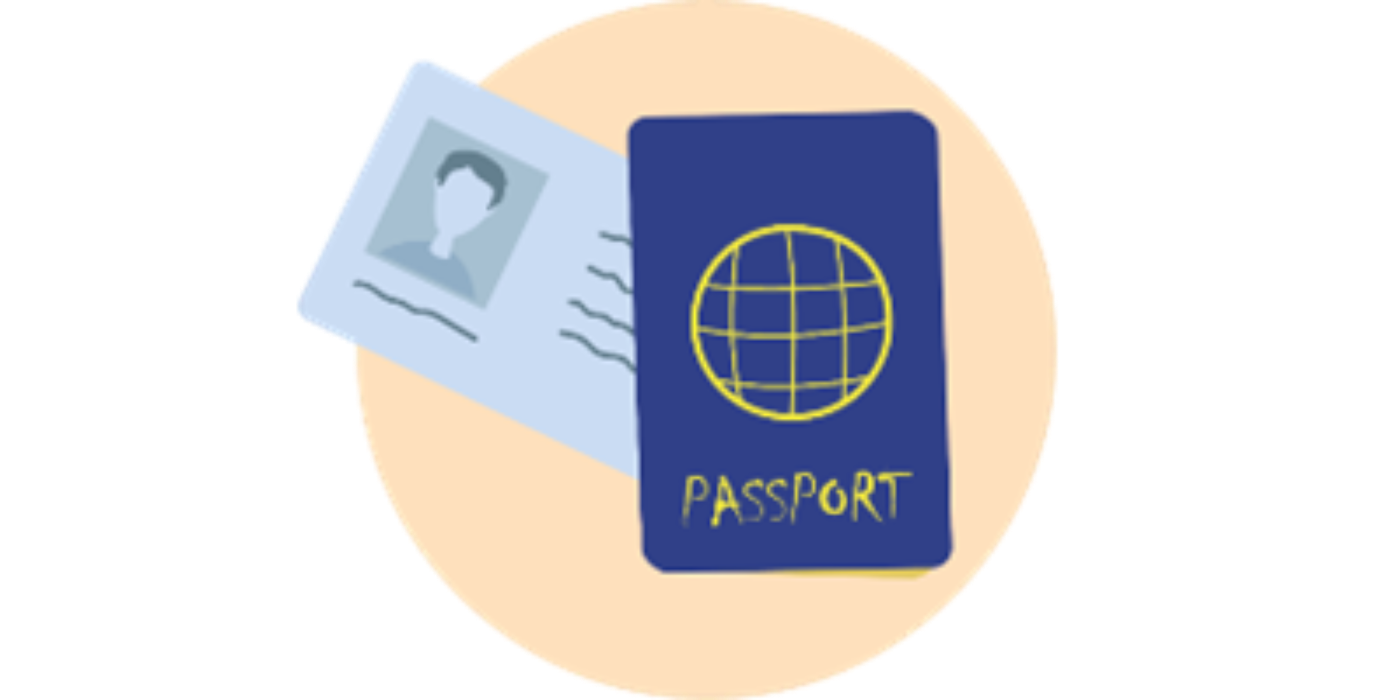
- Provide identity documents. If you do not have them, explain why.
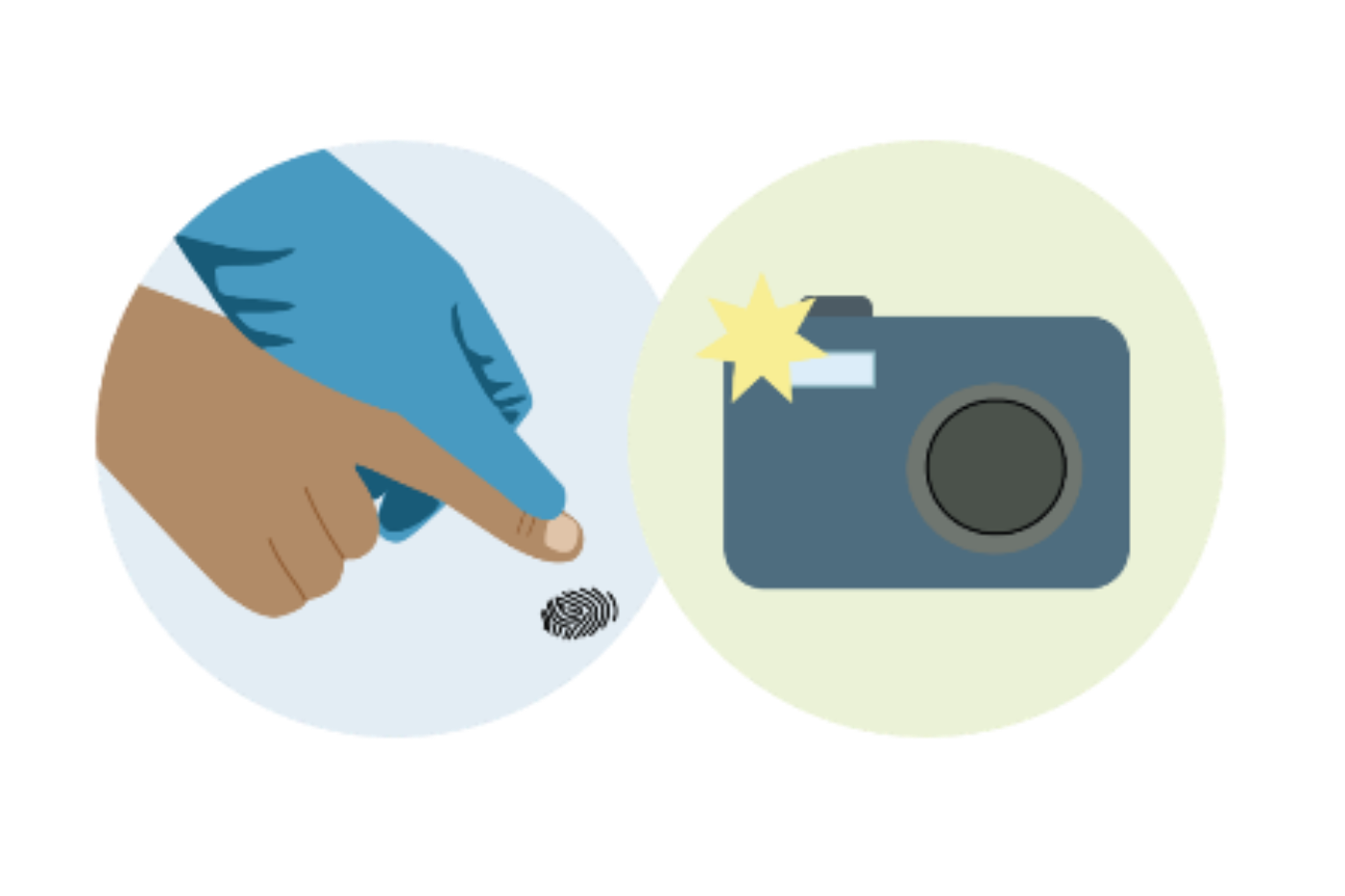
- Have your fingerprints and photograph taken.

-
Lodge your application at a designated date and place.
-
Attend the personal interview and respond to questions during the interview.

- Agree to be searched and to have your items searched, if the authorities request to do so. A search will only occur where necessary and justified. The authority will explain the reasons for the search. The search will be carried out by a person of the same sex as you and will be done in a way that respects your dignity.
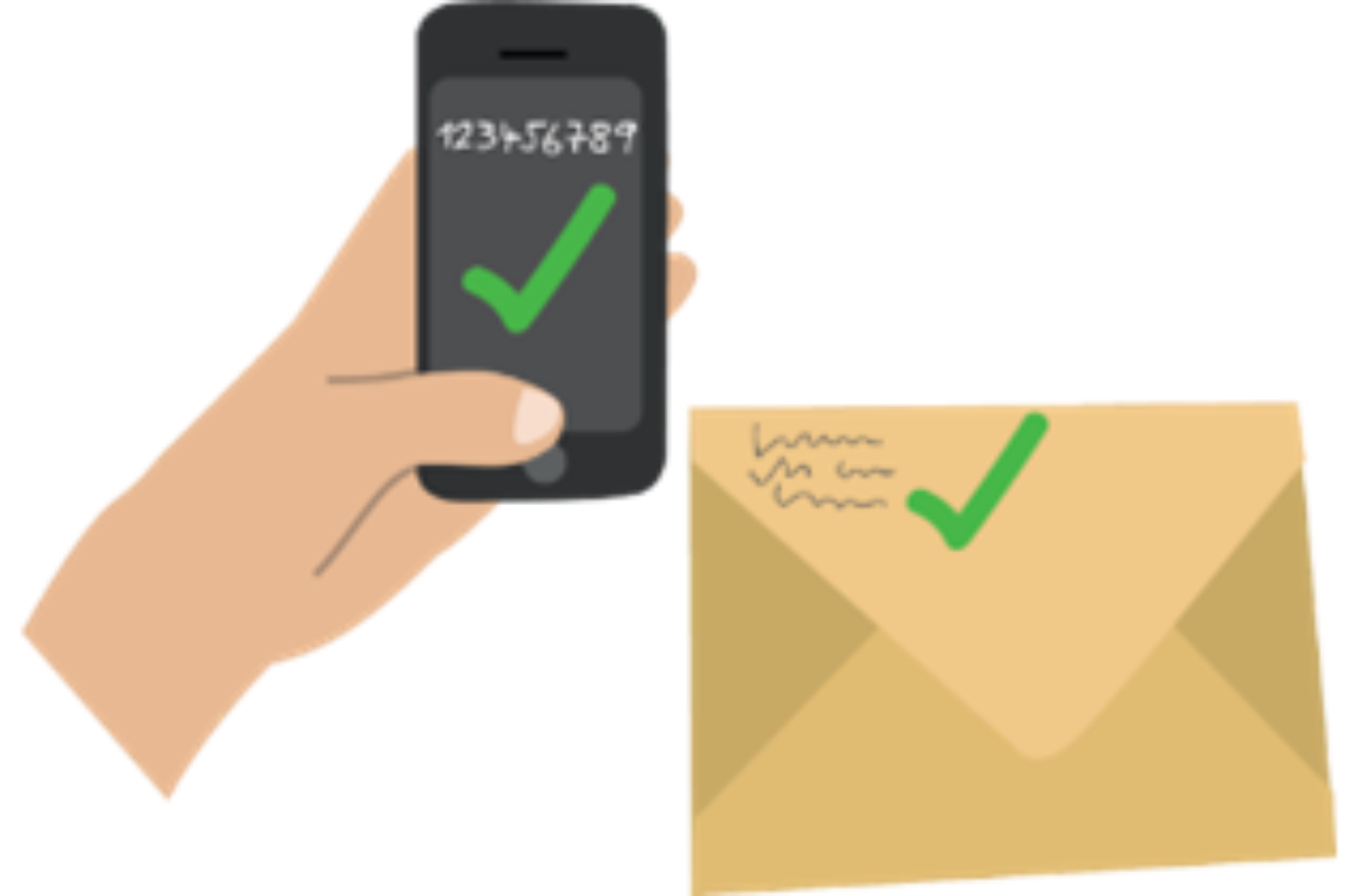
The authorities must be able to reach you regarding your application for international protection.
If your address, email or telephone number change, inform the authorities immediately.
Remember, you must not leave Austria while your application is being examined.
If you are being accommodated in a centre, you should not move elsewhere without the permission of the authorities.
What happens if you do not follow your duties?
If you do not follow your duties, this can have serious consequences for your asylum procedure. The most important consequences during lodging are explained below. You can find a full overview here.

Your application will be considered withdrawn or rejected. This means that you may lose your status as an applicant for international protection and all the related rights.
This will happen if you refuse to:
- provide information when requested to do so
- have your fingerprints or photograph taken
- provide your address
- respond to questions during your personal interview.
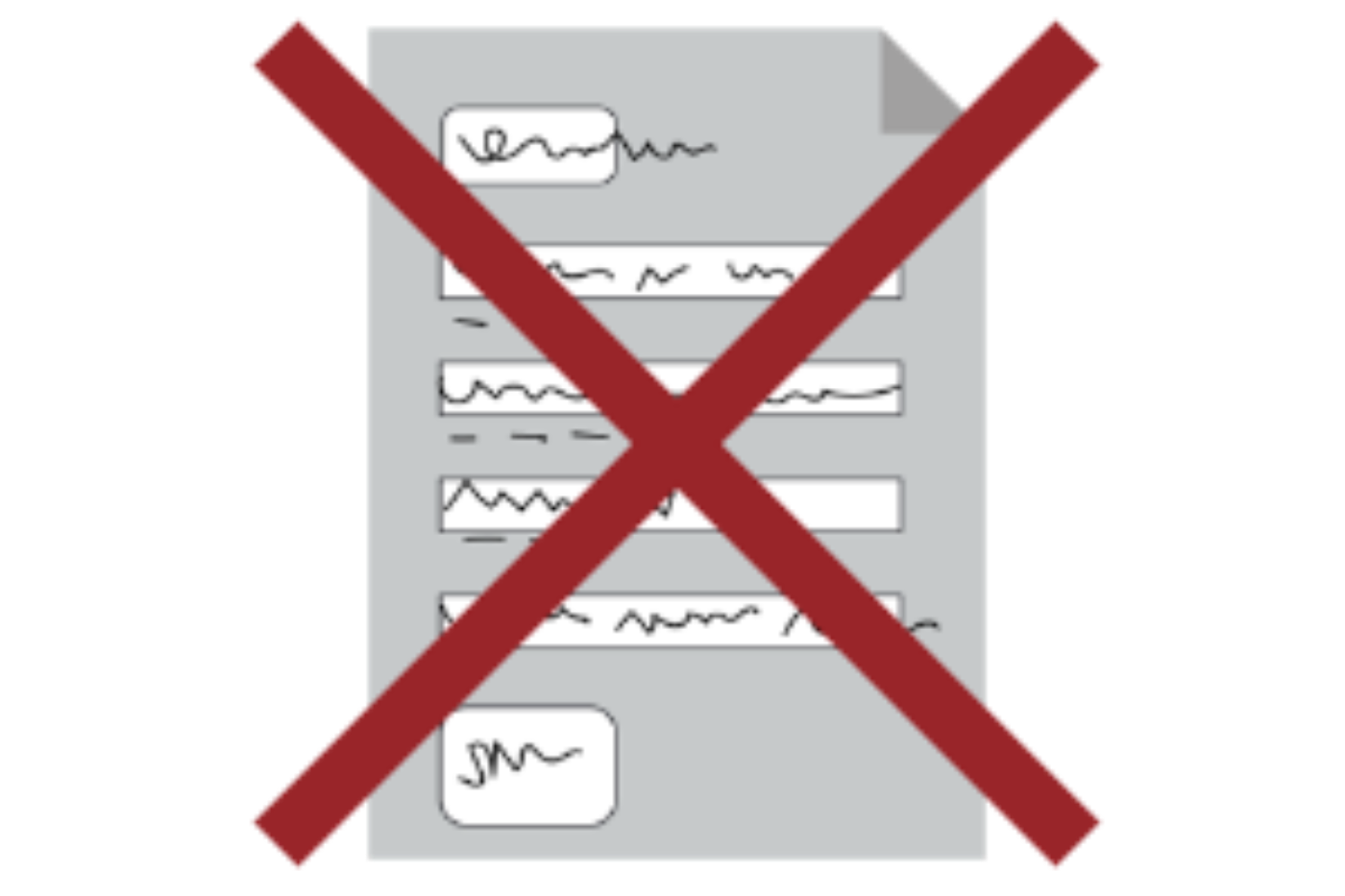
It will also happen if you:
- do not lodge your application within the set time limit without a serious reason
- do not attend the personal interview without a serious reason
- do not report to the authorities when requested to do so
- do not remain in the place you are obliged to stay
- cannot be reached by the authorities
- leave the country.
If you provide misleading or false information related to your identity or your application, or if you destroy or forge documents, this may have a negative impact on your application, for example as follows:
- Your application may be rejected and you may not obtain international protection.
- Your application may be examined in the asylum border procedure. (If this happens, you’ll receive specific information on the procedure).
- Your application may be accelerated. In this case, the time to examine your application will be reduced to three months. The accelerated procedure can also be applied for other specific reasons. The authorities will inform you and provide further explanations if the accelerated procedure applies to you.
International protection could also be taken away from you if the authorities find out later that you did not tell the truth during the asylum procedure.
What happens next?
After you lodge your application, the first phase of the procedure is complete.
The next phase, the examination of your application, begins with an invitation to a personal interview.