Registering the application
In this step, your application is registered and your personal data is recorded.
This helps the authorities process your asylum application.
After registration, you will receive an official document with important information about your case. This document also shows which procedure applies to your application. If your application is not examined in the standard procedure, you can find more information about the procedure that applies to you here.
What happens in this step?

Your application for international protection will be registered by the police on behalf of the BFA, on the date and at the time that will be communicated to you. The registration must take place at the latest within 5 days of the making or the end of the screening. You must go to the place you are told to go to.
If you make your application with an authority other than the police, registration must take place within 10 days.
In some cases, a screening may take place before registration. This is a first check of your situation.
During registration, the authorities record your basic personal data, such as your name, date of birth, country of origin and information about your family members. They may also take your fingerprints and a photograph. This helps confirm your identity and check which country is responsible for your application.
Your fingerprints may be stored in a European database called Eurodac. This helps check if you have applied for asylum in another European country before.
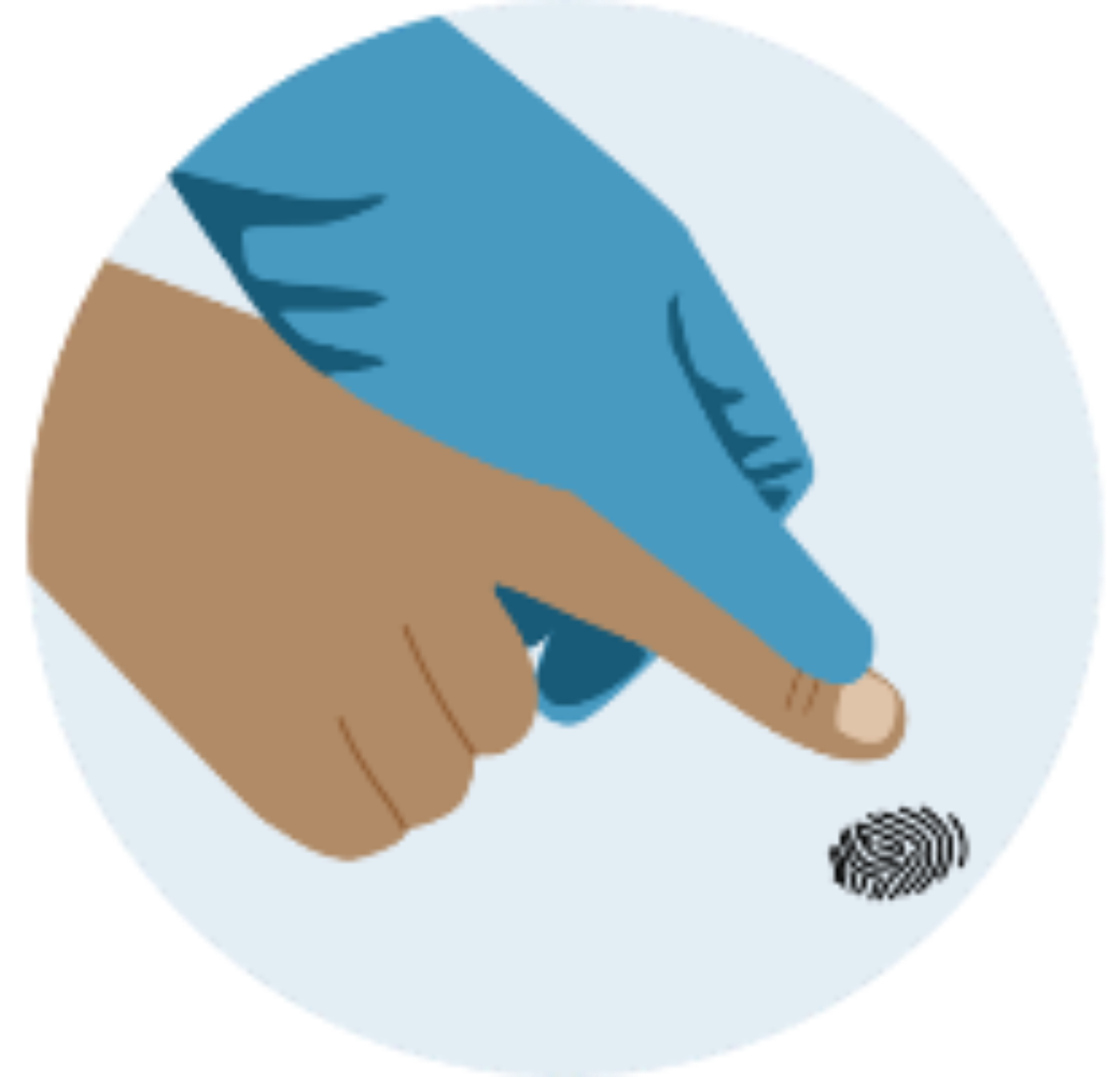
Your fingerprints will be taken.

Your photograph will be taken.
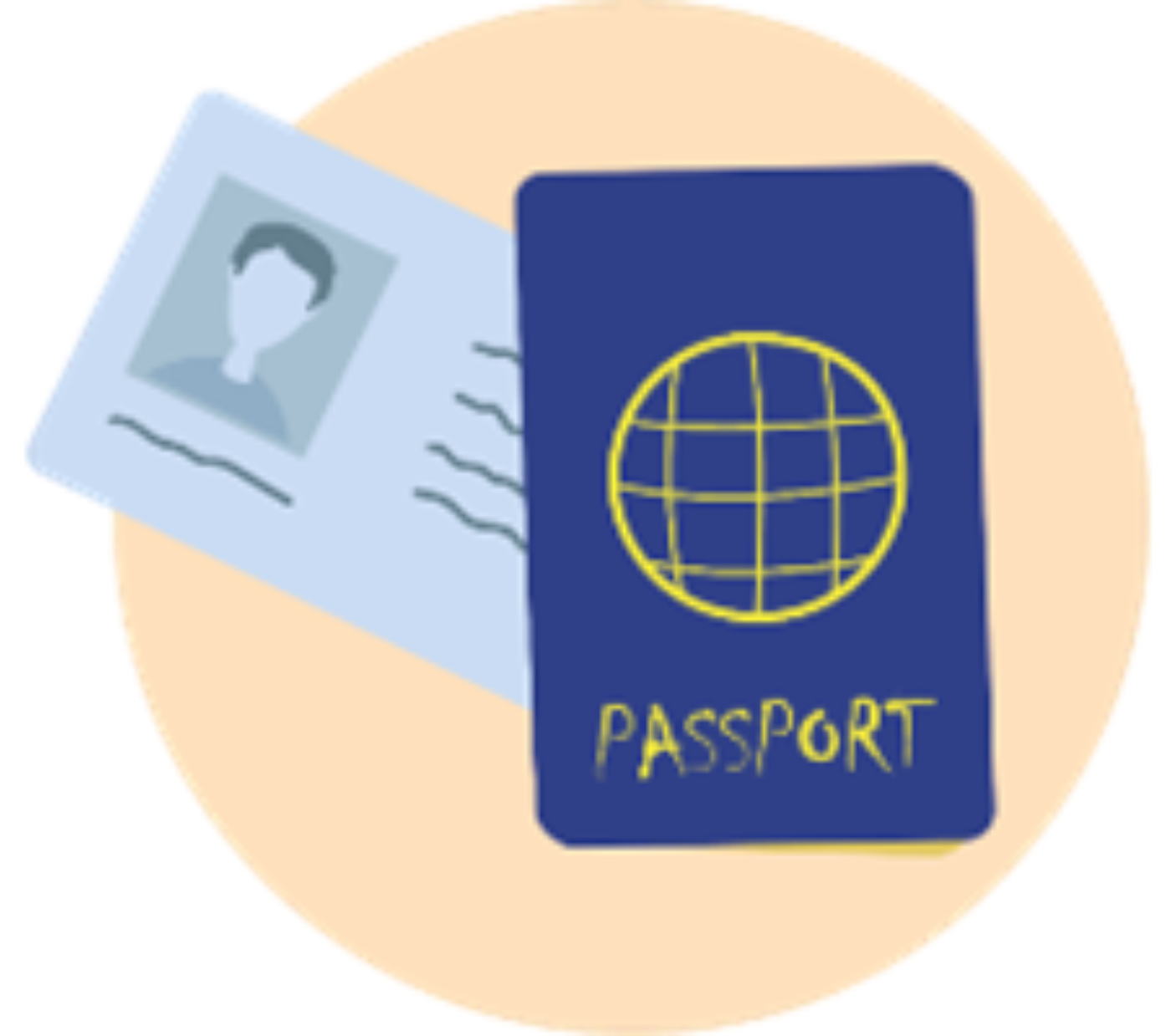
You will be asked to present all your identity, travel and any other relevant documents.

You will be asked to provide your personal details. You will also be asked about any of your family members that are residing in this country or another EU+ country. Additional information about you may be collected.
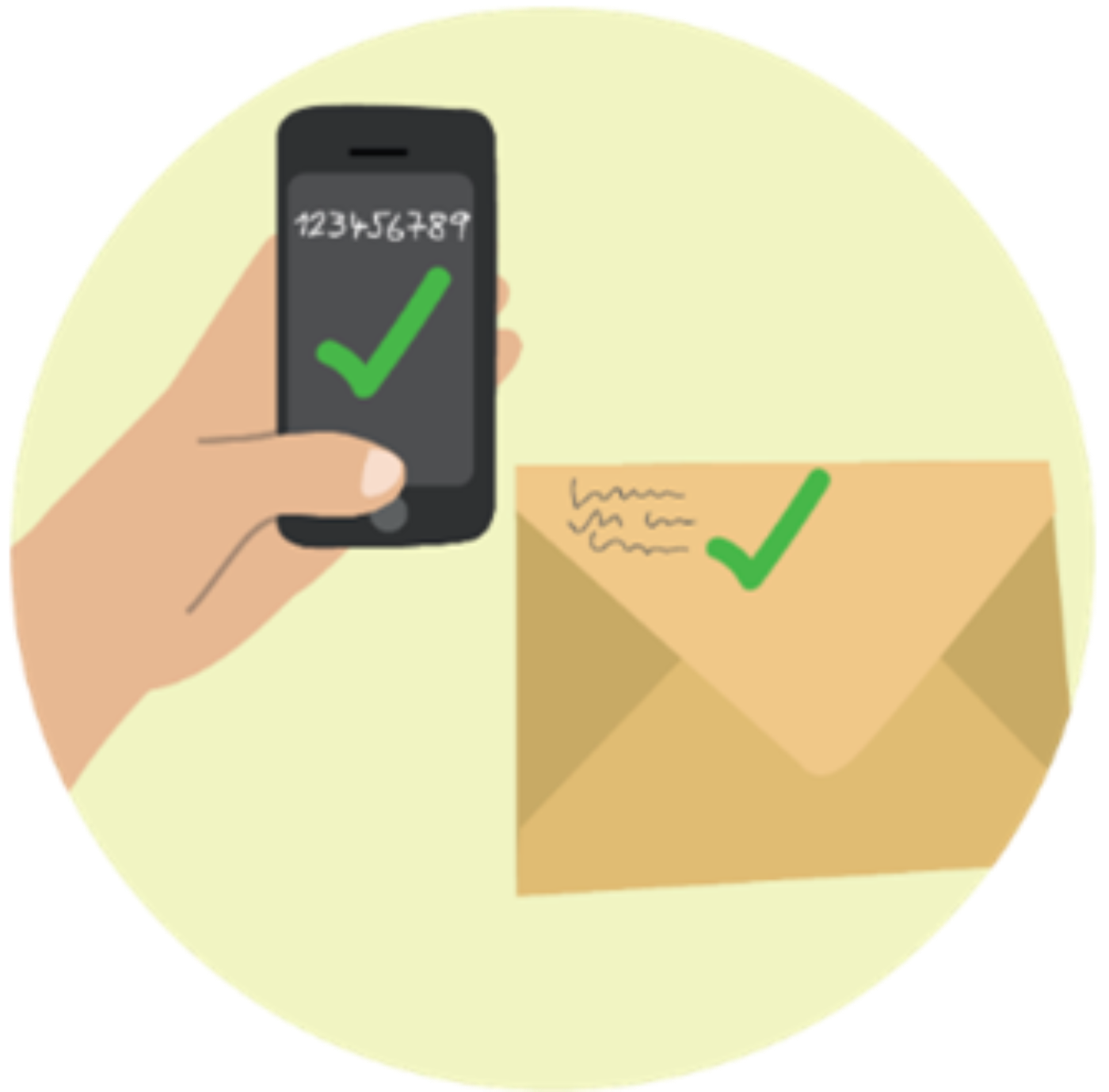
You will be asked to provide your contact details (address, a telephone number and an email address).

You and your belongings may be searched. Your personal belongings remain your property and will be returned to you, except for any belongings that are considered dangerous.

You may have to undergo a medical check.
The order of these steps can differ but all applicants are treated in the same way. The collected data will be safely stored in national and European databases.
It is your obligation and in your best interests to tell the truth and cooperate with the authorities.
Please note:
Registration does not yet mean that you have formally submitted your asylum application. This happens in the next step, called lodging.
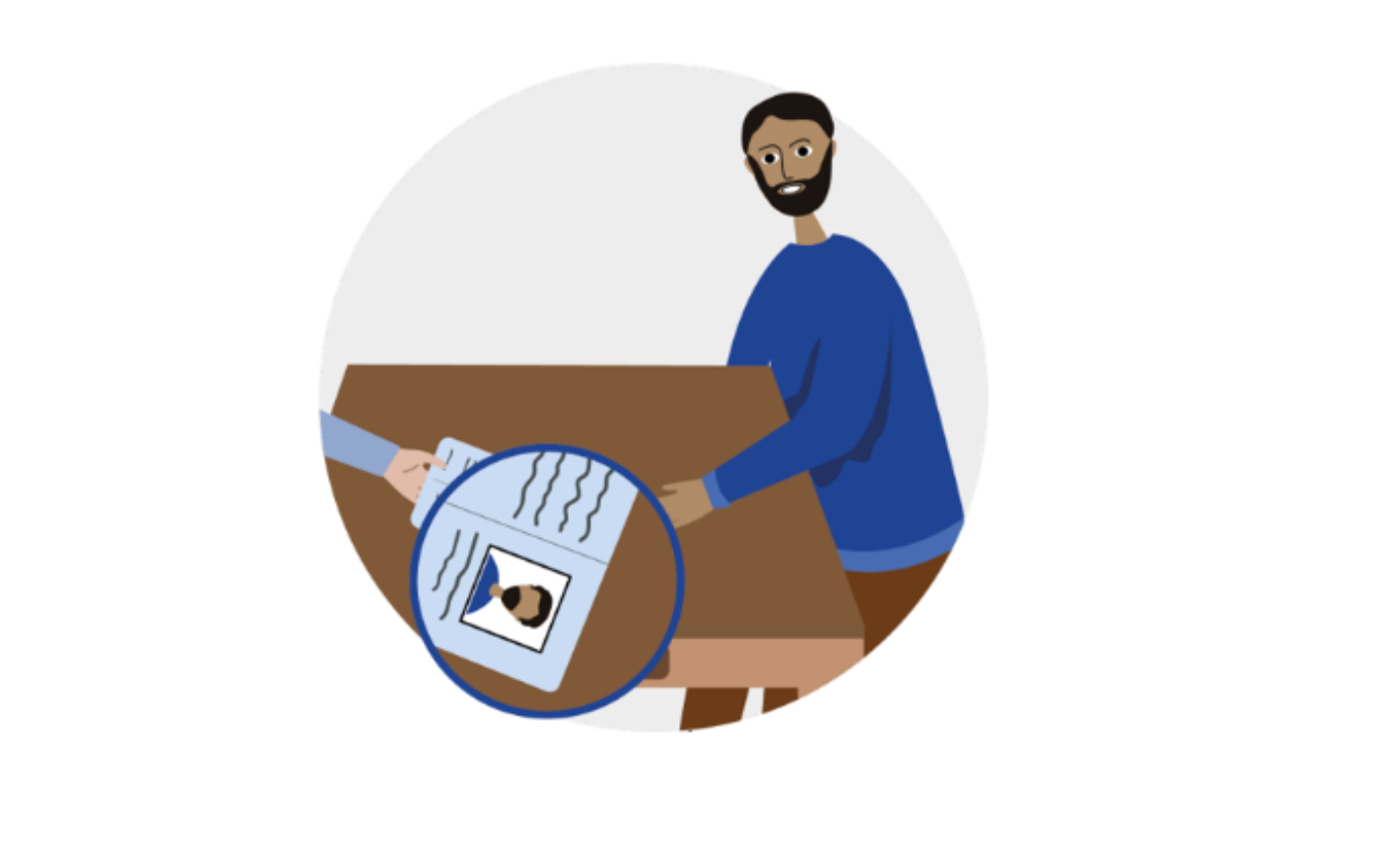
After registration, you will receive an official document stating that your application was made and registered. You must carry it with you at all times.
This document also shows which procedure applies to your application.
What is screening?
Before your application is registered, a screening may take place in certain situations.
Screening is a preliminary procedure that applies mainly if you enter Austria irregularly, apply for asylum at the border, or are found on Austrian territory without a right to stay. Screening can also take place even if you do not formally apply for asylum.
If you arrived without a passport or visa, you must pass 4 screening checks:

A police officer or border guard will ask for your name, age, origin and travel details.

They will take a photo and fingerprints of everyone older than 6 years.
You may be searched and your belongings may be kept until after the screening.

Show officers all your documents, such as an ID card or birth certificate, even if they are photos on your phone.

A doctor or nurse will check you for diseases and other health problems.

Share your medical reports or vaccine card if you have them.

Trained staff will help you. Tell them if you feel worried, sad, scared or are looking for your family members.

What you share stays private and is not shared with the authorities of your home country.
If you were apprehended at an external EU border, the screening procedure may take up to 7 days. You are not considered to have entered the country, but you enjoy all basic rights.
If you were stopped within the territory of a member state (at an internal border or within the country), the screening process takes up to 3 days (72 hours).
The screening takes place at a location designated by the authorities.
During the screening, you will be provided with accommodation at the screening location, food, access to sanitary facilities, and basic healthcare.
You have the right to:
- humane treatment and respect for your fundamental rights,
- an interpreter or language mediation services,
- medical care if needed,
- egal advice or support,
- make a complaint if you feel you have been treated unfairly,
- access your personal data and have it corrected.
You must:
- provide correct and complete information about your identity,
- present travel documents or other documents,
- give your fingerprints and a photograph,
- remain where instructed during the screening procedure,
- cooperate with the authorities and answer their questions.
Why do you have to give your fingerprints and photograph?
During registration, your biometric data needs to be taken by the authorities.
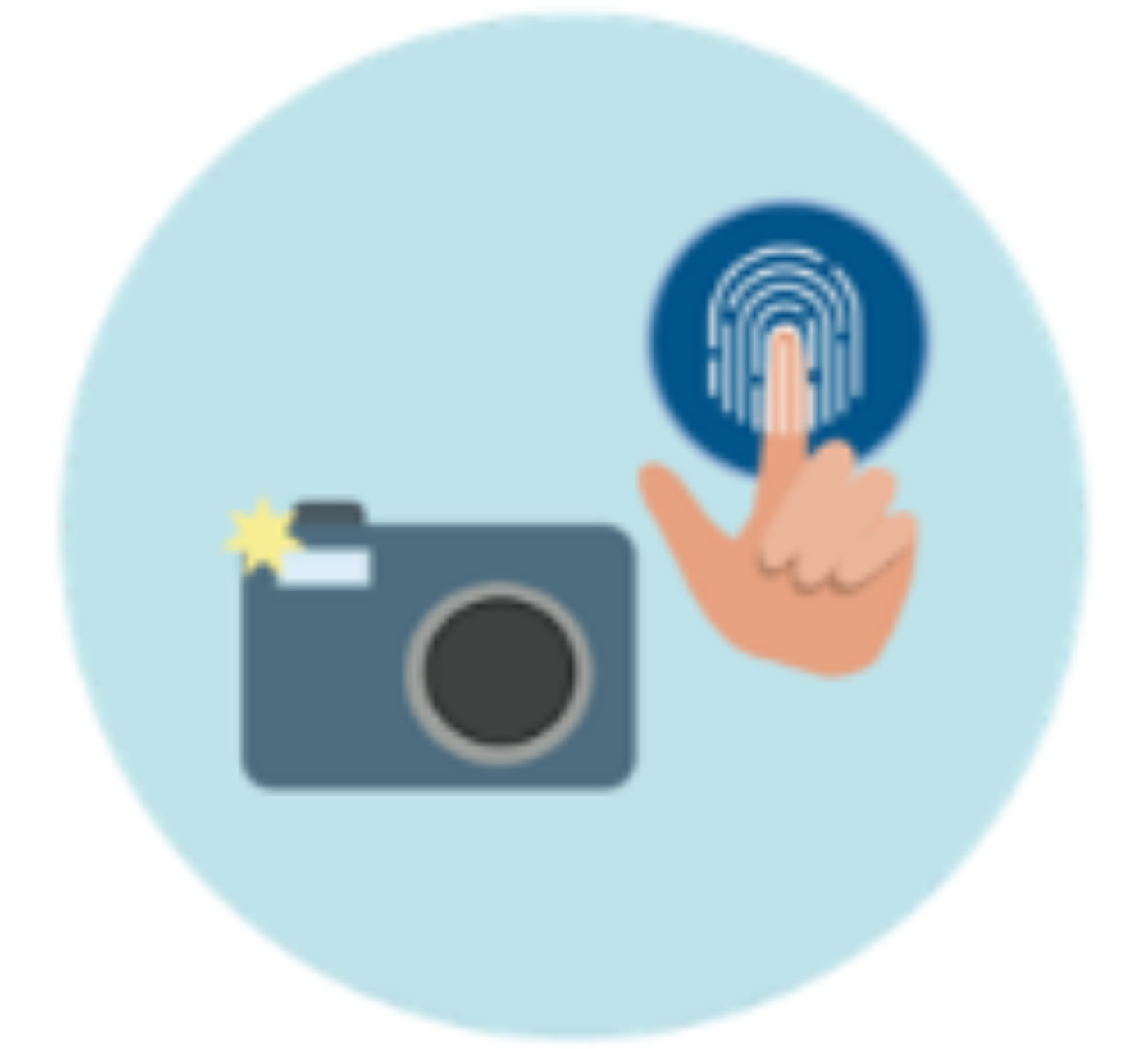
Biometric data means fingerprints and your photograph.
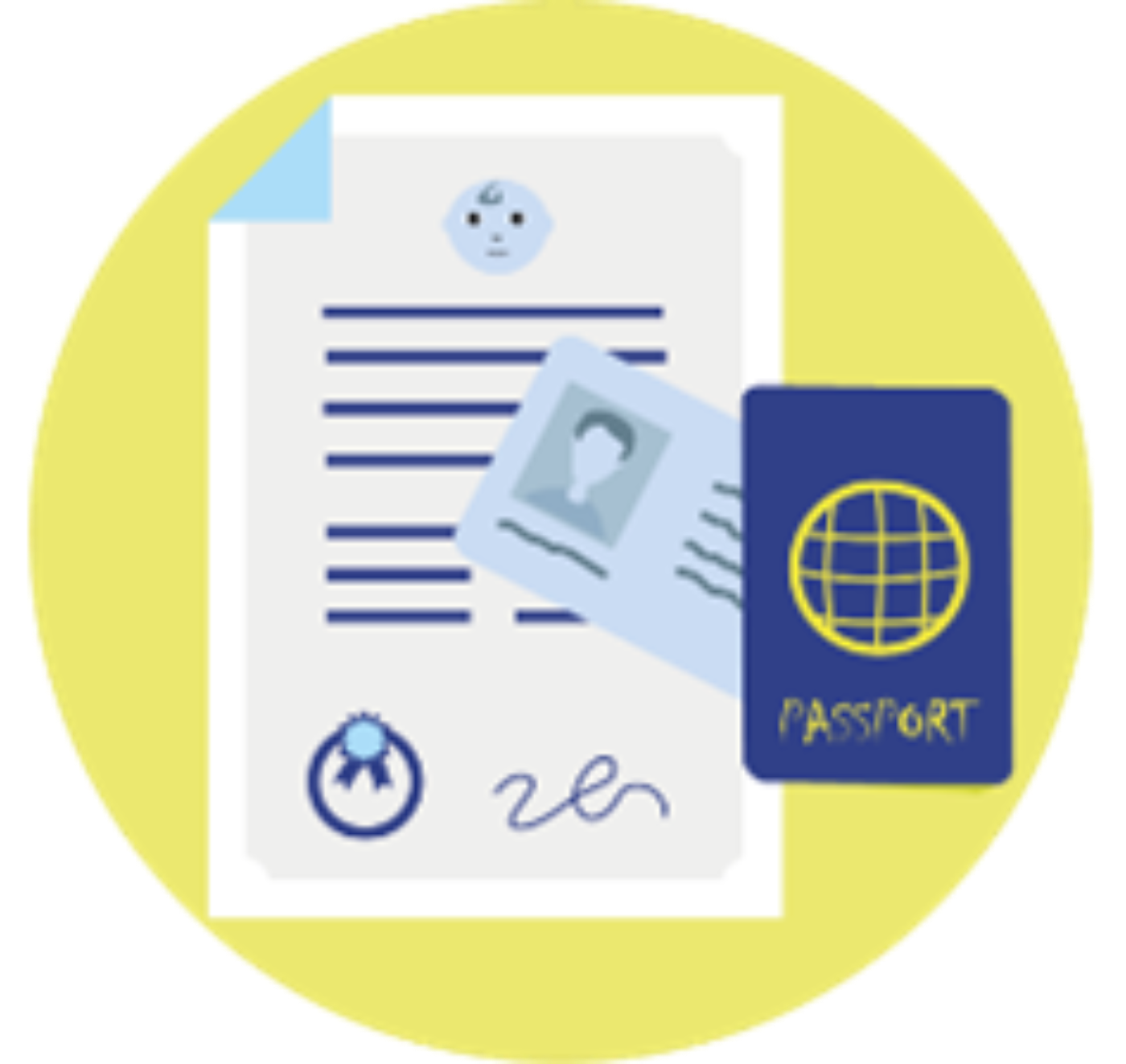
This data, together with information on your identity and other relevant information, will be transmitted to the Eurodac database.
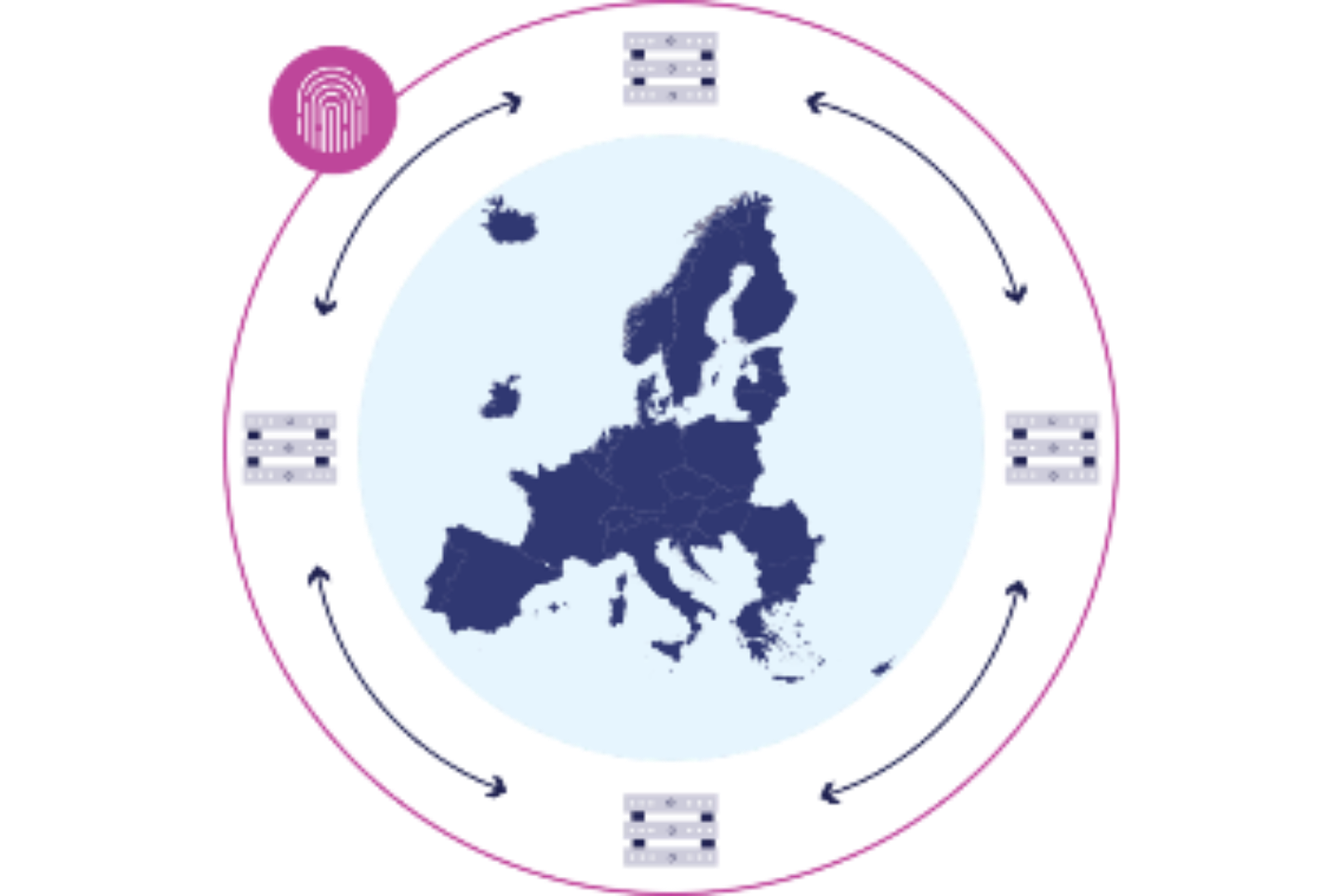
Eurodac is a European database that stores and compares information on certain categories of person entering the EU+ countries.
This database is used by 31 EU+ countries who can process your data and retrieve your information. If you travel to another EU+ country without permission and your data is taken again, all of your data that is stored in Eurodac will be seen by the authorities of that country. In some cases, your data will be updated with new information.
The EU+ countries are:

the 27 Member States of the European Union (EU):
Austria, Belgium, Bulgaria, Croatia, Cyprus, Czechia, Denmark, Estonia, Finland, France, Germany, Greece, Hungary, Italy, Latvia, Lithuania, Luxembourg, Malta, Netherlands, Poland, Portugal, Republic of Ireland, Romania, Slovakia, Slovenia, Spain, Sweden and

4 other countries:
Iceland, Liechtenstein, Norway and Switzerland.
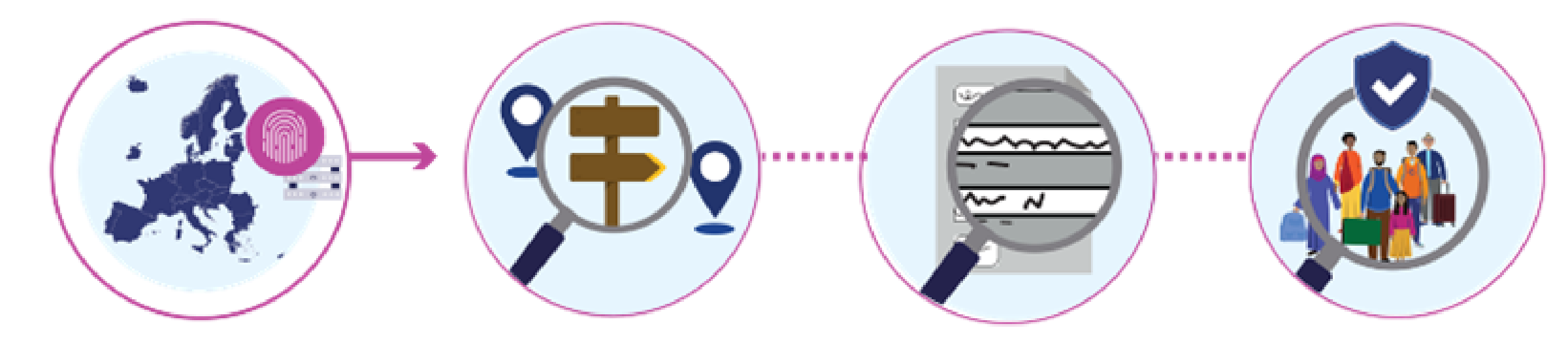
Eurodac has five main aims:
- to help EU+ countries decide which country is responsible for examining an application for international protection
- to help monitor regular and irregular migration to the EU+ countries
- to share information between national authorities and prevent crime and terrorism
- to make sure that children arriving in Europe can be traced and protected
- to make sure other European databases containing information on aspects such as visas work correctly.
Eurodac contains data of people who are not nationals of an EU+ country who:
- applied for international protection
- crossed the border of an EU+ country without permission
- have been disembarked to an EU+ country after being rescued at sea
- are staying illegally in an EU+ country
- arrived in an EU+ country through an EU resettlement or humanitarian admission programme or national resettlement programme
- have been granted temporary protection.

The following information is always stored:
- your fingerprints
- a photograph of your face
- all the names you use now or have used in the past
- your date of birth
- your place of birth
- your nationality or nationalities
- your sex
- copies of identity or travel documents you have used, where available, including information about their authenticity
- the user ID of the officer who took your fingerprints and photograph and the dates your data was taken and transmitted
- the country where you applied for international protection
- the date of application for international protection.
The following information will also be stored in Eurodac where necessary:
- the country responsible for examining your application
- if you are relocated, the EU+ country of relocation
- if your application was rejected and you do not you have the right to remain in the EU+ countries
- if your application was considered under the border procedure and rejected or your application has been considered withdrawn
- information on any visas issued to you by an EU+ country
- information on any time you left the region of the EU+ countries
- information on whether you accepted an offer to voluntarily return to your home country.
The outcome of your security check will be stored if the authorities found that you might:
- possess a weapon
- be violent
- have been involved in terrorism offences
- have committed a serious crime for which you could be arrested in another EU+ country.
In such cases, it will be considered that you could pose a threat to internal security. This will be stored in Eurodac together with the applicable reason or reasons detailed above. If the EU+ countries no longer consider you a threat to internal security, this information will be deleted.
You have the right to access and amend incorrect information that is stored in Eurodac and request to delete your information if it has been handled unlawfully. You can contact the officer responsible for your case to do this.
Your information will be stored for 10 years and then deleted automatically.
If you obtain citizenship in an EU+ country before the expiry of this period, your data will be deleted. If your data is deleted, this will not affect your status in the country where you received citizenship.
The national asylum authorities in the EU+ country will take your biometric data and transmit it, together with other relevant data, to Eurodac and receive the result of the comparison.
The EU Agency for Law Enforcement Cooperation and national police may request access to Eurodac for the purpose of preventing, detecting and investigating serious crimes and terrorism. They may search for your data in Eurodac.
Important!
The authorities in your home country will not be able to access this information.
Every EU+ country has an authority that controls data use. You have the right to contact the data controller and data protection officer and ask to access your data that is stored in Eurodac.
You can request your information to be corrected if you feel it is:
- inaccurate and needs to be corrected
- incomplete and needs updating
You can request that your information is deleted if you feel it is
- entered into Eurodac unlawfully.
You can contact the officer responsible for your case for this.
If you would like to make a formal complaint about the handling of your data, you can contact the national supervisory authority. For more information, please visit the website of the Data Protection Authority.
What happens if you refuse to give your fingerprints?
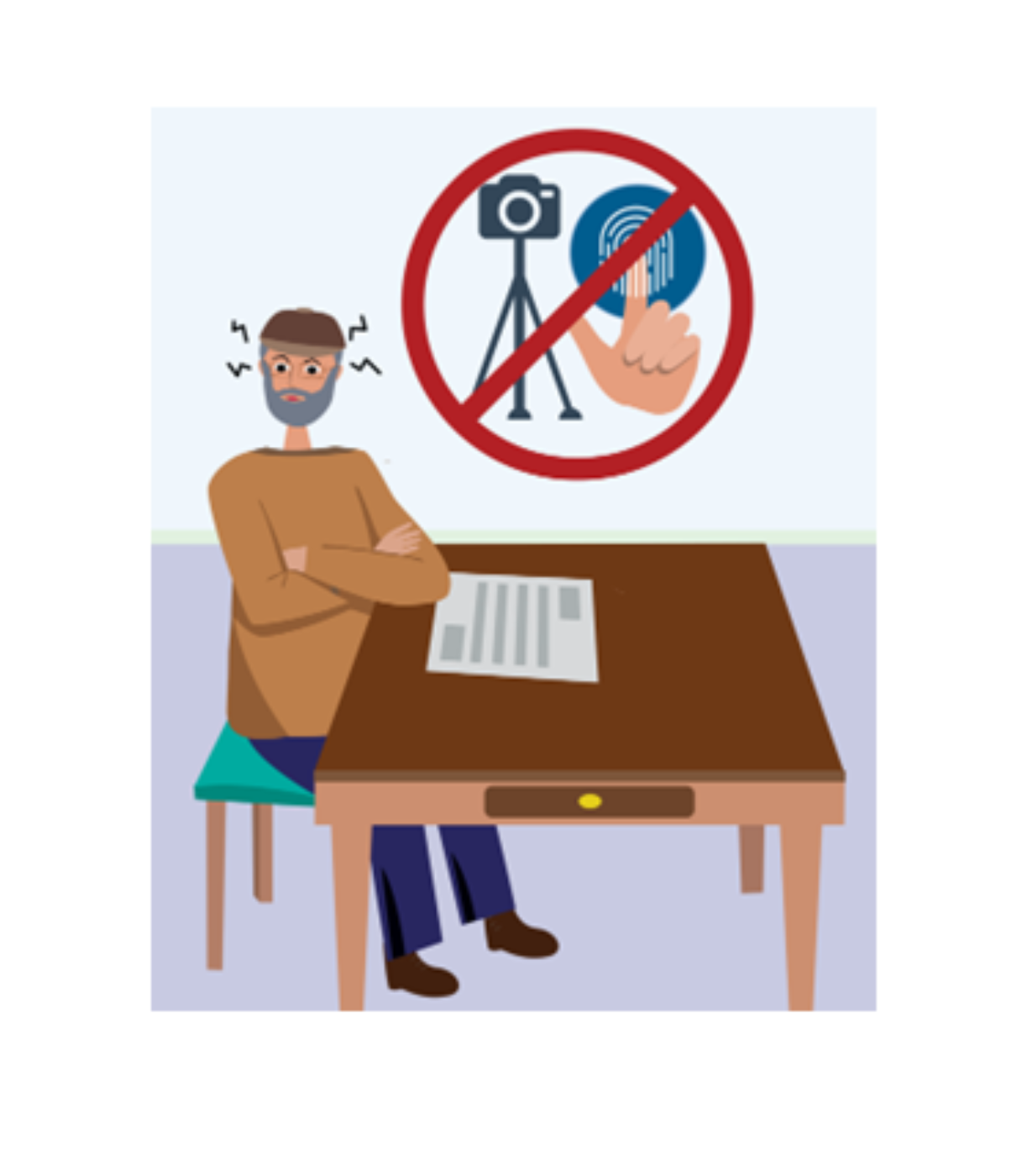
You are obliged by law to provide your biometric data.
There are important reasons why your fingerprints are needed. If you have applied for asylum, this is a necessary step in the procedure. Fingerprint data can also help finding family members present in the EU+ countries.
If your fingertips are damaged, fingerprints will be taken again in the future.
If you damage your fingerprints on purpose, there will be negative consequences. For example, if you have made an application for asylum, the procedure may be stopped.
If the procedure is stopped in your case, this means you are no longer considered an applicant (asylum seeker). You will lose all rights connected to that status, now and in the future.
The authorities of the EU+ countries may use coercion as a last resort to obtain your biometric data. They may also detain you, as a measure of last resort, to determine or verify your identity.
Which country will examine your application?
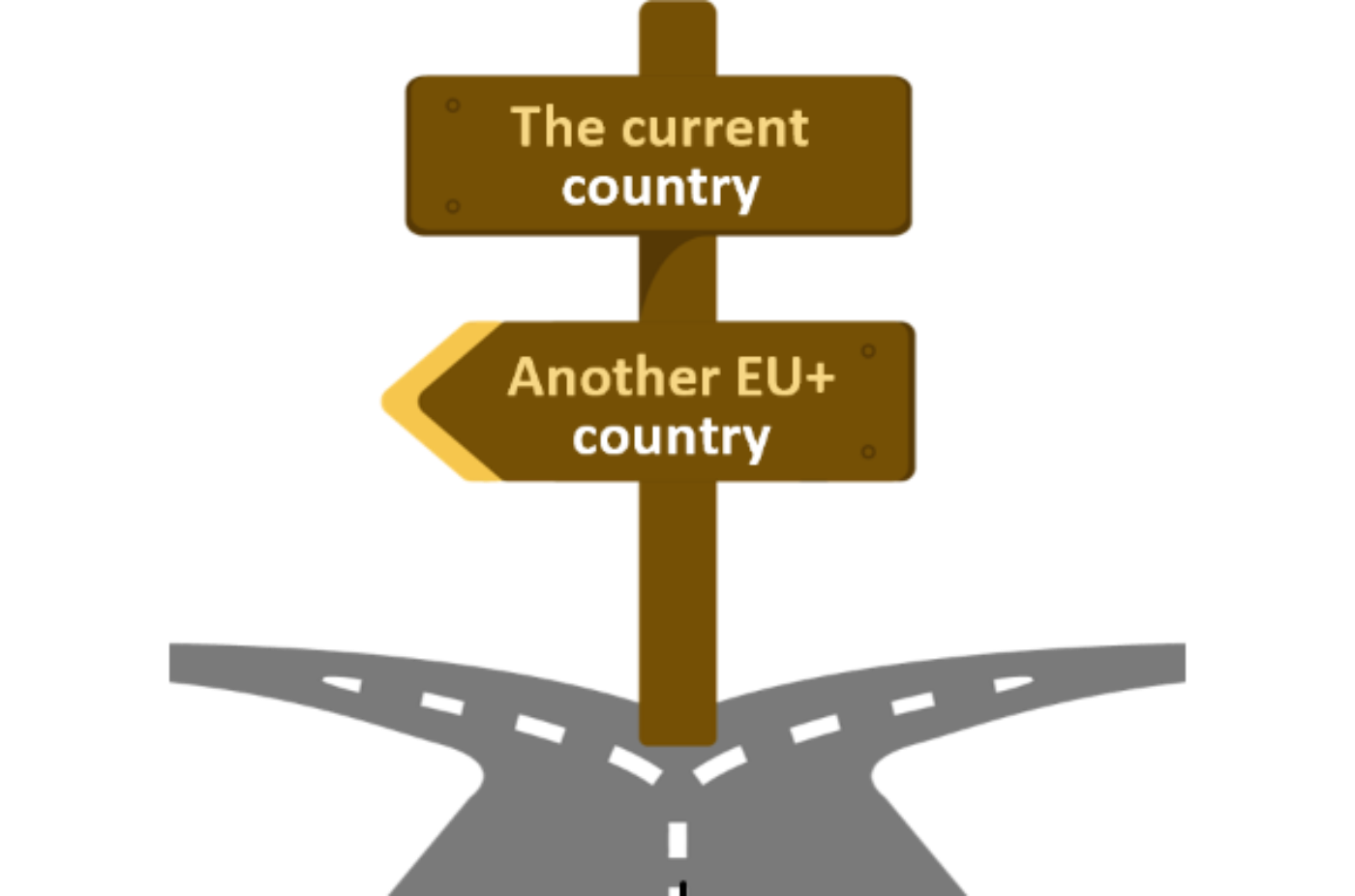
You are guaranteed that an EU+ country will examine your application for international protection. You cannot choose the country.
The country that examines your application will be decided by the rules of the Asylum and Migration Management Regulation. If you move to another EU+ country without permission and your fingerprints are taken again, all of your data that is stored in Eurodac will be seen by the authorities of that country.
The authorities will follow a procedure to decide which EU+ country is responsible for your application for international protection. This is called the responsibility determination procedure. Find more information here.
Your rights and duties in this step
From the moment you apply for asylum, you have important rights and duties. If you do not follow your duties, this can have serious consequences for your asylum procedure. Learn more about your rights and duties here.
What happens next?
Registration is not the same as formally applying for asylum. To officially start your asylum procedure, you must still lodge your asylum application within 21 days of the date of the registration of your application. This happens in the next step.