Your rights during reception in Austria
While you are in reception, you have important rights. These rights make sure that you receive support and are treated fairly while you wait for a decision on your asylum application.
On this page, you can learn about the most important rights you have during this time, such as access to health care, support if you have special needs, education for children and the possibility to work.
If you believe that your rights are not respected, you can ask for help or appeal certain decisions.
Overview of your rights
Below you can find the most important rights you have while you are in reception. Click on each section to learn more about what support you can receive and how these rights apply to you.

The authorities will ensure that you receive the necessary health care. This can include for example, visits to a nurse or doctor, examination for severe illnesses and chronic conditions, medication prescribed by a doctor and mental health support.
If you have a medical problem, please tell the staff.
If you have a medical emergency or injury that need urgent treatment, tell the staff or call for free the emergency number 144 or alternatively the international emergency number 112.
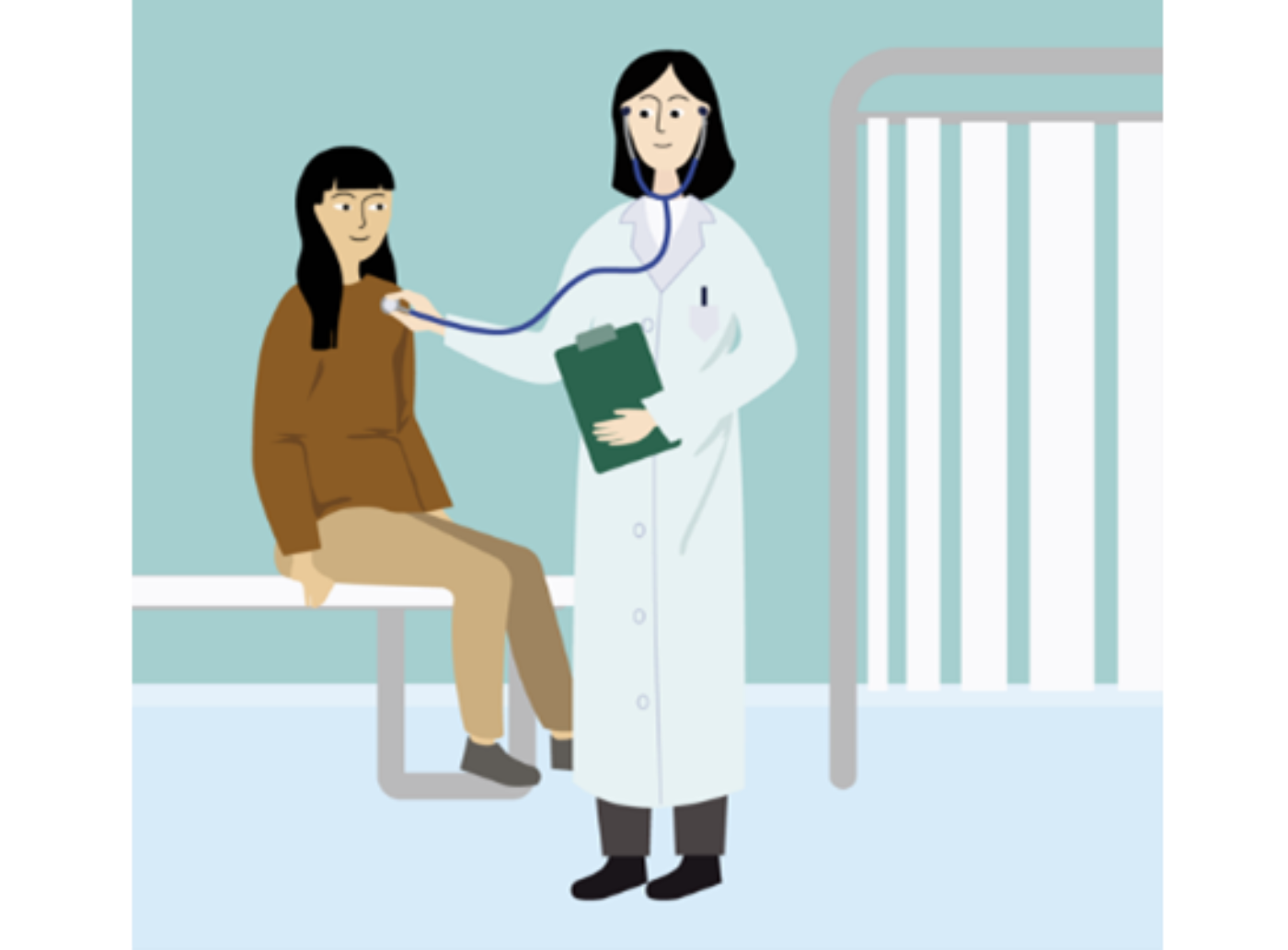
You will have a medical check upon arrival in a reception facility.
The medical check consists of an assessment on special needs and a medical assessment with a doctor (including a lung X-ray).They will ask you questions about your medical needs, present or past diseases/infections, your vaccine records and any medication you are taking. They will also ask you about any injuries, pain, conditions or worries you might have.
Medical tests, including a tuberculosis test, are obligatory at reception.
Please inform the staff if:
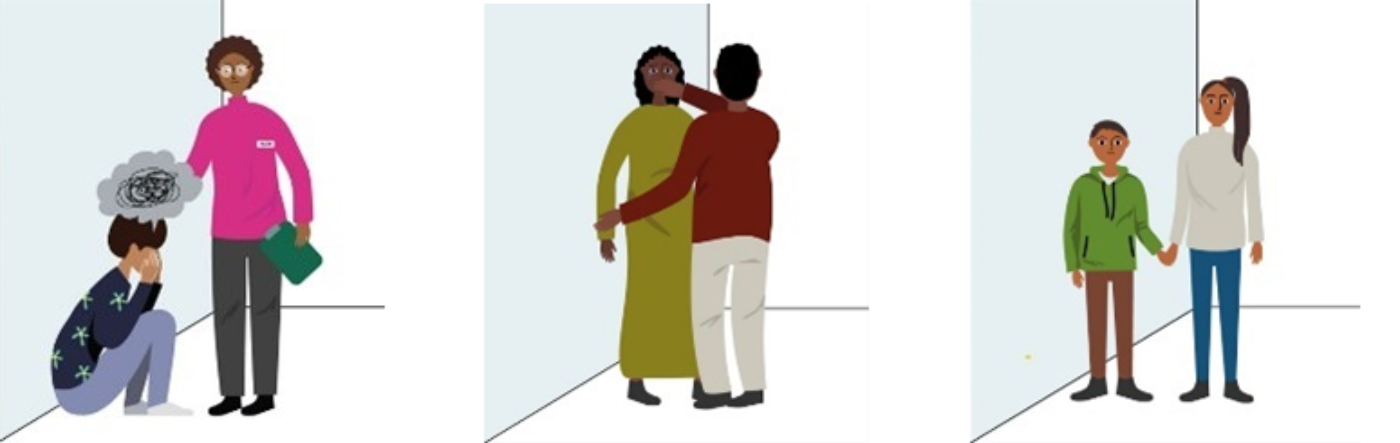
- you are ill or injured
- you are or you might be pregnant
- you have family members in need of specific support
- you have disabilities (for example, limited mobility, hearing loss, vision impairment)
- you feel constantly nervous, worried or anxious, you cannot sleep, or you have negative thoughts
- you are suffering from past violence or torture
- you feel unsafe, threatened, or you are afraid of someone, either a stranger or a person you know
- you have been or are being forced to do things you don’t want to do
- you feel unsafe due to your faith, who you love, how you dress or behave
- you are younger than 18 and you arrived without your parents, either alone or with other family members.
Specialised support can only be provided when the reception staff knows about your special needs.

Specialised reception staff will ask you questions to:
- evaluate your special needs
- identify what specialised support is best for you.
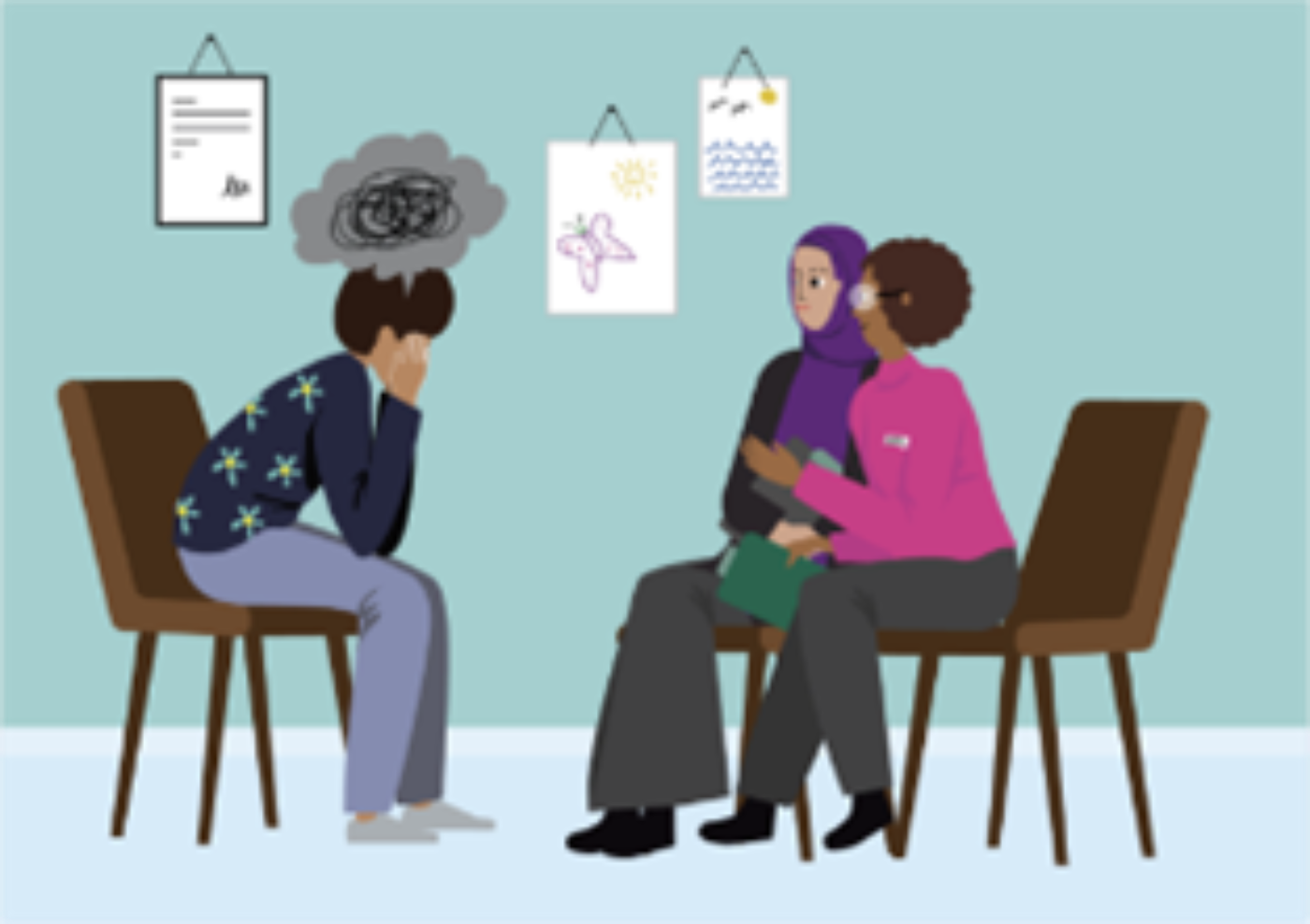
This is called an assessment of special needs. An interpreter will help you communicate in a language you understand, if necessary.
Always contact the reception staff if you need specialised support.
You will receive this support for as long as the authorities consider you are in need.
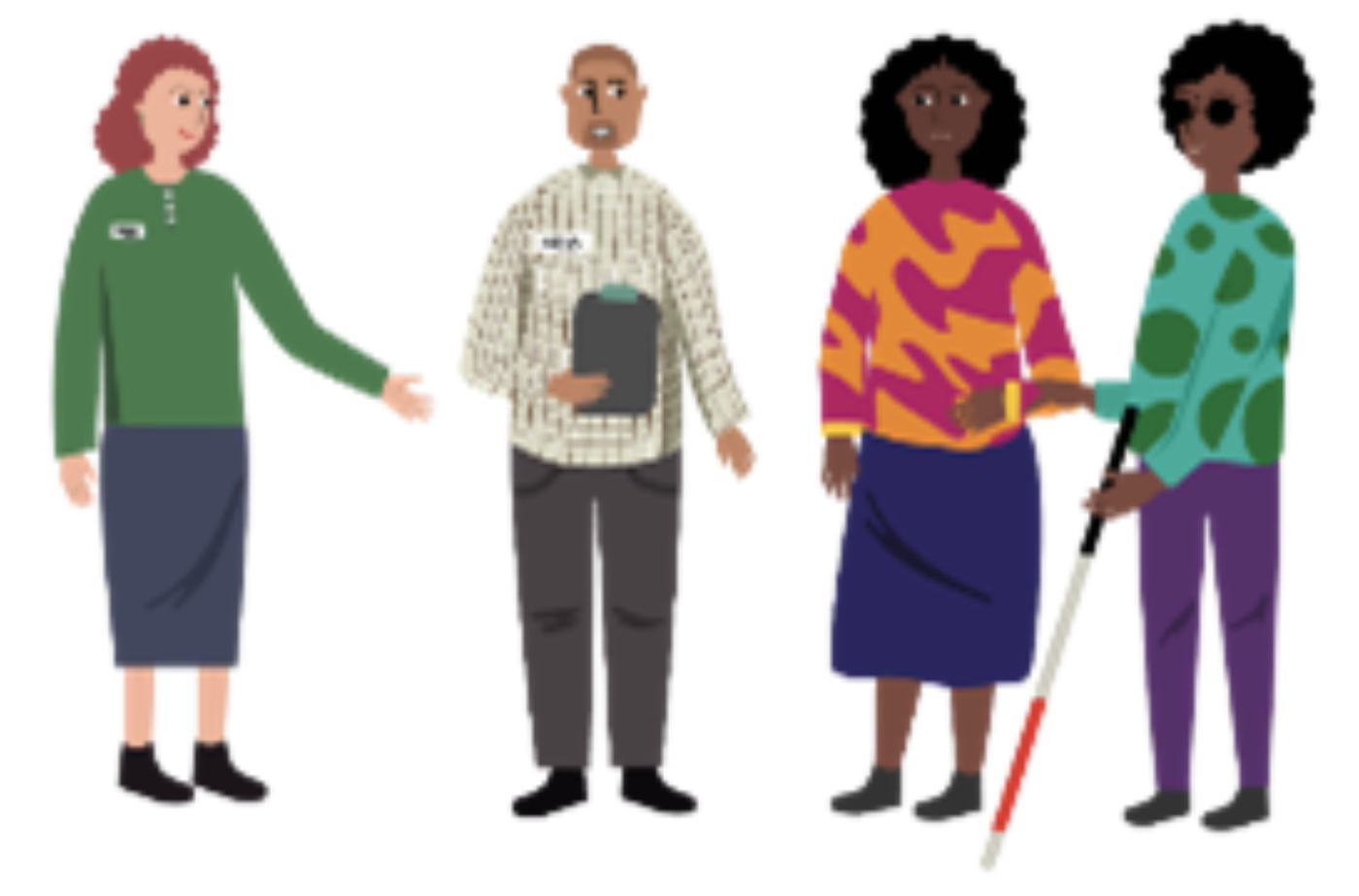
You can trust the doctor, the nurse and the specialised staff and talk freely to them. All information will be kept confidential, meaning it will not be shared with others without your agreement.
The only exception is if your life or someone else’s is at risk.

All children, boys and girls, below 18 years old have the right to education.
They will receive support such as language classes, informative workshops and mandatory courses on the rules of living in Austria.
In Austria, all children between 6 and 15 years old must attend school. Parents have the obligation to send their children to school.
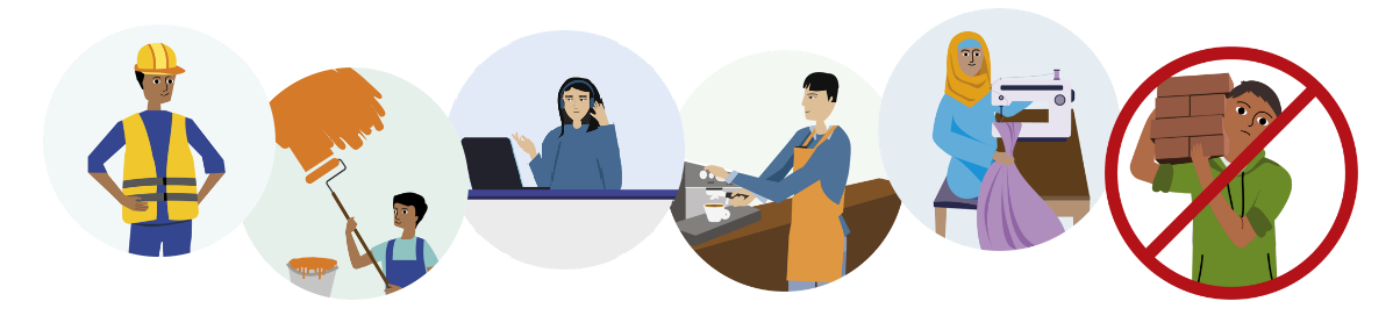
Depending on your situation, you may have the right to work after three months from the registration of your application for international protection in Austria.
The staff of the reception center will inform you about the rules that apply in Austria.
There are some exceptions, for example you will not be allowed to work if you are not cooperating with the authorities.
Remunerated work is possible on a voluntary basis.
All boys and girls under 15 years old are not allowed to work.

If the authorities decide to limit your rights as an applicant and you believe this is unfair, you can appeal the decision.
You can appeal if the authorities decide:
- you do not have the right to accommodation and other reception support
- to reduce or cancel the reception support provided to you
- not to approve your request to leave temporarily a specific geographical area or a specific place
- you are obliged to stay in a specific place (for example in a specific reception centre) and you can go out with certain restrictions
- to detain you.
You can lodge an appeal against a decision of the BFA with the BVwG. You need to present your appeal within the specific period provided in the decision. You will receive more detailed information about this if the authorities decide to limit your rights as an applicant.
If you travelled to another EU+ country without the permission of the authorities and you lost certain reception rights there, you can appeal this decision in that country.

If you want to appeal the decision of the authorities to limit your reception rights before a judge, you may receive free legal assistance and representation, depending on your situation.
This means that a legal adviser will help you. Legal advisers provide you with legal assistance before a judge, defend your interest and are independent from the authorities and the judge.
You can also consult a legal adviser or a lawyer at your own cost.
The authorities will inform you how to appeal a decision.
You can always ask the authorities, non-governmental organisations or UNHCR for more information, including on available free legal assistance and representation.
What about your duties and possible consequences?
In addition to your rights, you also have duties you must follow while you are in reception. If you do not follow these duties, this may have consequences, such as reduced support or other measures.
Click below to learn more about your duties and what can happen if they are not followed.