Detention and restriction of movement
In some situations, your freedom of movement may be limited. This can mean that you have to stay in a specific place or area, or that you are not allowed to leave at all.
The authorities must have a reason for this and must explain the decision to you.
There are different levels of restriction:
- Detention – you cannot leave at all
- Restriction of movement – you can move, but only in a limited area
Below you can learn more about each situation and what it means for you.
What does detention mean?
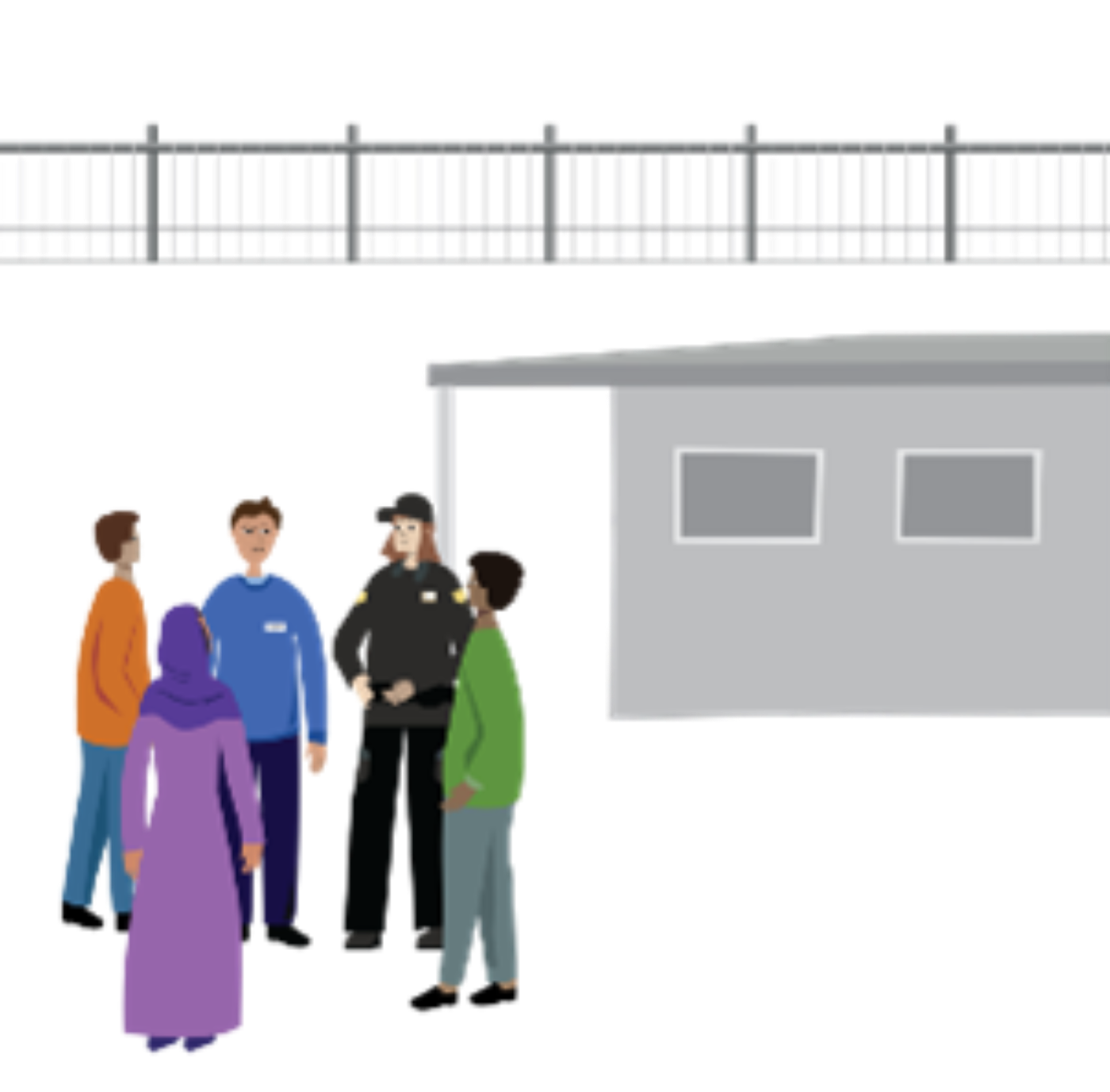
Detention means that you are placed in a specific facility that you cannot leave freely. The authorities must have a valid reason to detain you. They must be sure that no other option is possible in your case. The authorities will consider your personal situation before deciding. The reasons for detention can be, for example:
- important aspects of your asylum application (for example your identity) cannot be verified without detention
- you did not respect the obligation to stay in a specific place, and there is a risk you run away again and the authorities cannot reach you
- you received a decision to be transferred to the EU + country responsible for examining your asylum application and there is a risk you run away before the transfer
- you pose a security risk.
If you are detained, you can appeal the decision. You can request free legal assistance and representation.
Important!
If you travel to another EU+ country without permission, it will increase the risk that you will be detained in the future.
How can your movement be restricted?
In some situations, the authorities may limit where you can stay or move. This means you may have to stay in a specific area or place for a certain time. The authorities will explain this to you and inform you about your rights. Below you can see the different ways your movement can be restricted and what this means for you.
The BFA will decide that you have to stay in a specific geographical area. In this case, they will communicate it to you in writing in a language you understand.
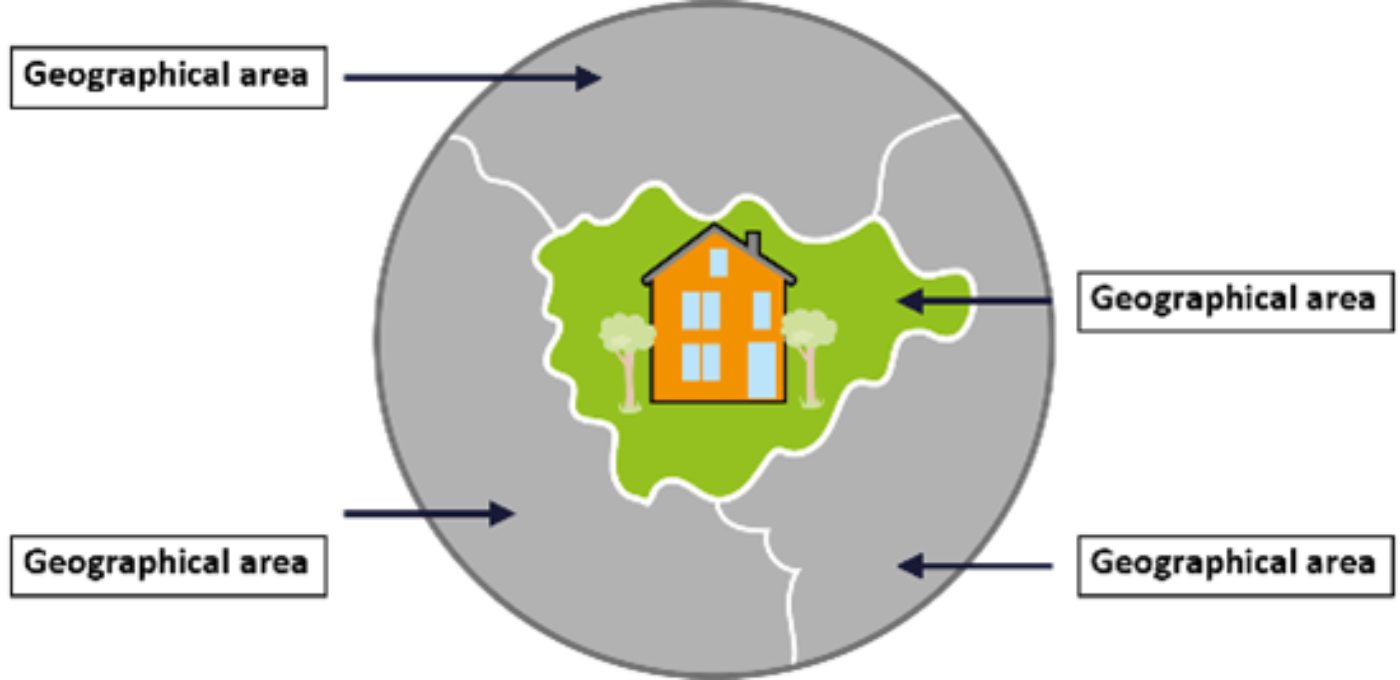
The authorities may decide that you have to stay in this area so that your application for international protection can be examined faster, or because of available places in reception centres.
You will be able to move freely within this area.
If you need to leave the area for a short period, you need to ask the authorities for permission at least 72 hours in advance or or as soon as you know the reason. You can only ask to leave in the following situations:
- to fulfil a legal obligation
- to attend an appointment with a court, public prosecutor or authority
- for justified, urgent and serious family reasons
- for necessary medical treatment that is not available within the geographical area you are staying
- to receive legal advice or support from recognised human rights or victim support organisations.
The authorities may approve your request or refuse it.
If your request is rejected, you can appeal this decision. However, you must still not leave the area until a new decision is made.
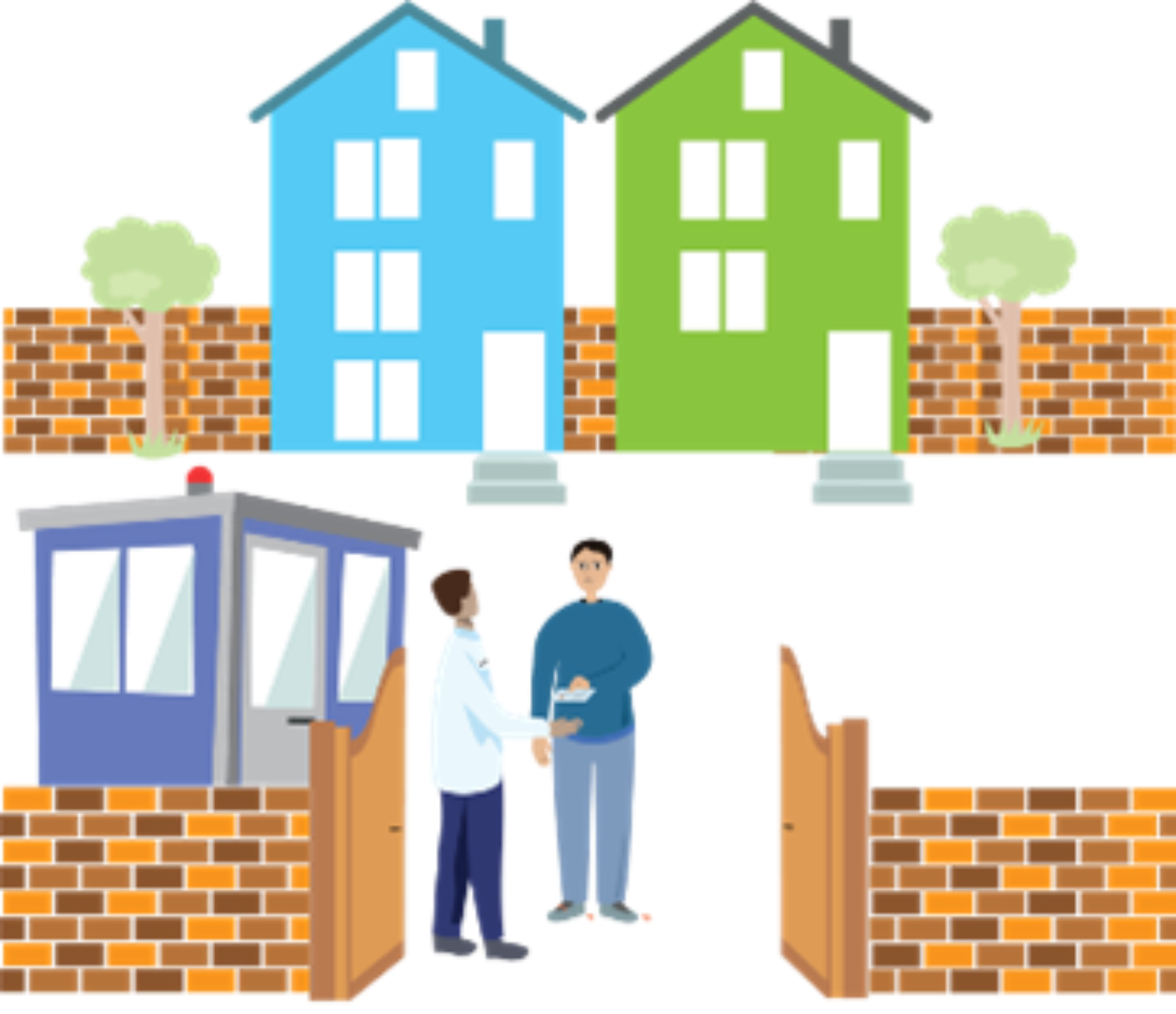
Depending on your situation, the authorities may decide that you have to stay in a specific place (for example in a specific reception centre).
You will be allowed to go out of that specific place with certain restrictions. Your presence in that specific place will be checked regularly.
The authorities might decide this for several reasons. For example:
- there is a risk you might run away
- another country may be responsible for examining your asylum application and the authorities think that you might run away
- you left this country without permission, you were returned and there is a risk you might run away again or
-
for reasons of public order.
The authorities will communicate this decision to you in writing in a language you understand. They will inform you about your rights, obligations and the negative consequences if you do not respect the decision.
You can appeal this decision. However, you can only do so at the end of the procedure together with the final decision in your case.
You can ask the authorities if you can stay somewhere else for a limited period. You need to ask the authorities for permission at least 72 hours in advance or or as soon as you know the reason. You can only ask to leave for justified, urgent and serious family reasons, or for necessary medical treatment.
The authorities may approve your request or not.
If your request is rejected, you can appeal this decision. However, you must still not leave the area until a new decision is made.
Attention!
If you don’t respect the decision to stay in this specific place and the restrictions imposed, and there is a risk you might run away again, you may be detained.
What are your rights if your movement is restricted or if you are detained?

If your movement is restricted or if you are detained, you still have the same rights and duties as other applicants. These rights apply during reception and during the asylum procedure.
For example, you have the right to:
- receive decisions in writing in a language you understand
- appeal decisions made by the authorities
- get information and ask for free legal help
- contact your family
- communicate with UNHCR
- receive medical care if you need it
You can ask the staff if you do not understand your situation or need help.