Families
If you apply for asylum together with your family, there are specific rules and support measures to ensure that both you and your children are safe and well cared for.
This page explains where your family may be accommodated, how the best interests of your children are protected, what your role as parents is, and how the asylum procedure works for families. It also provides information on what happens if family members are in another European country and where you can find further guidance.
Where will you and your family stay?
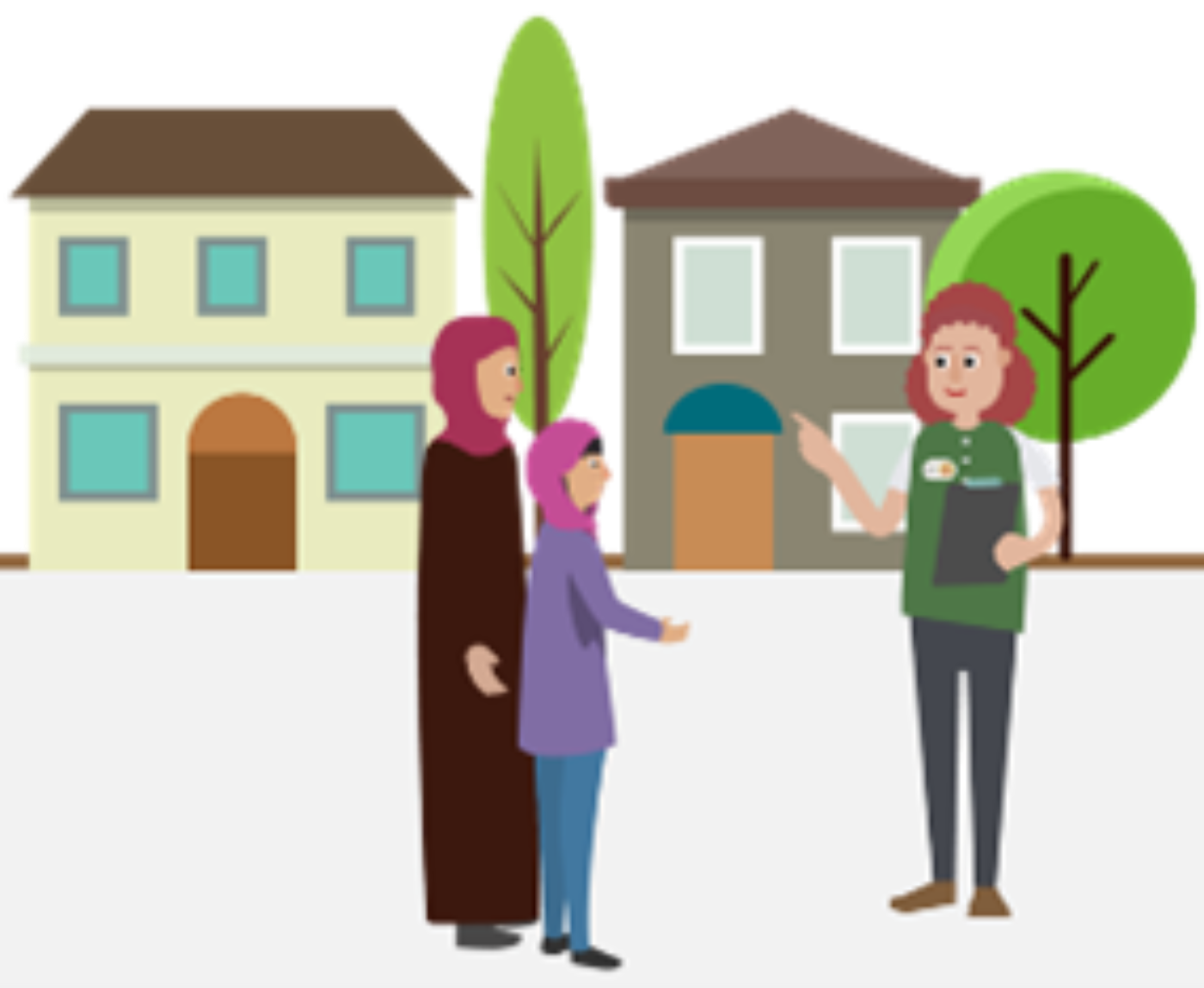
The authorities must give you a safe and suitable place to stay called reception. They'll explain how you get food and essentials. Normally, children with families stay in family housing.
The place where you will stay while the authorities examine your asylum application, depends on your situation. The staff will inform you where you all have to stay, for example in a certain accommodation, city or region.
This might depend on the places available or the needs of your family.
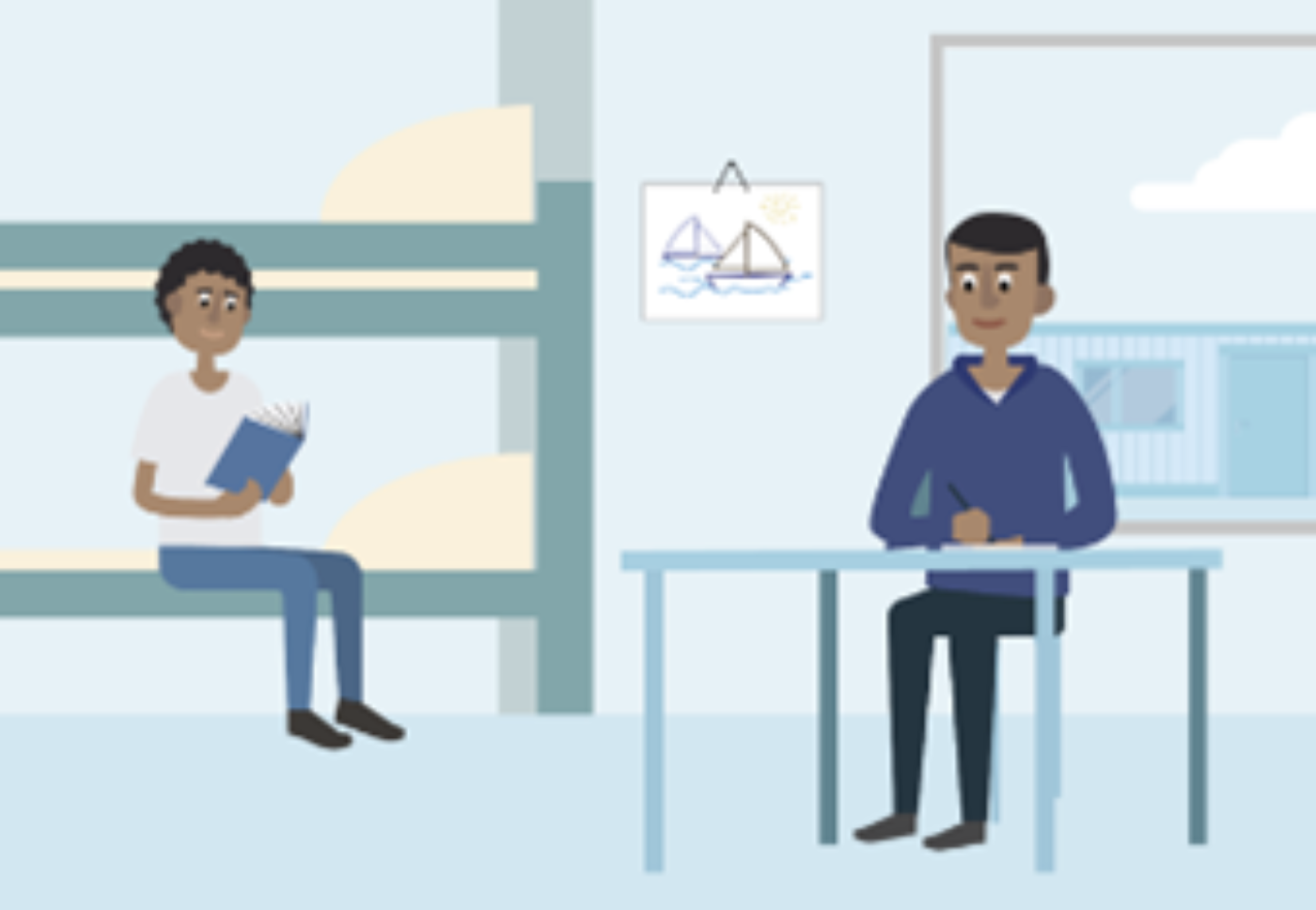
If your family wants to stay outside the accommodation place or leave the city or region for a short time, they need to ask the authority for permission.
You and your family may receive support and services only in the place decided by the authorities.
Very rarely families might be put in a centre where they cannot come and go as they wish. If you are in this situation, a legal adviser and the staff will assist you.
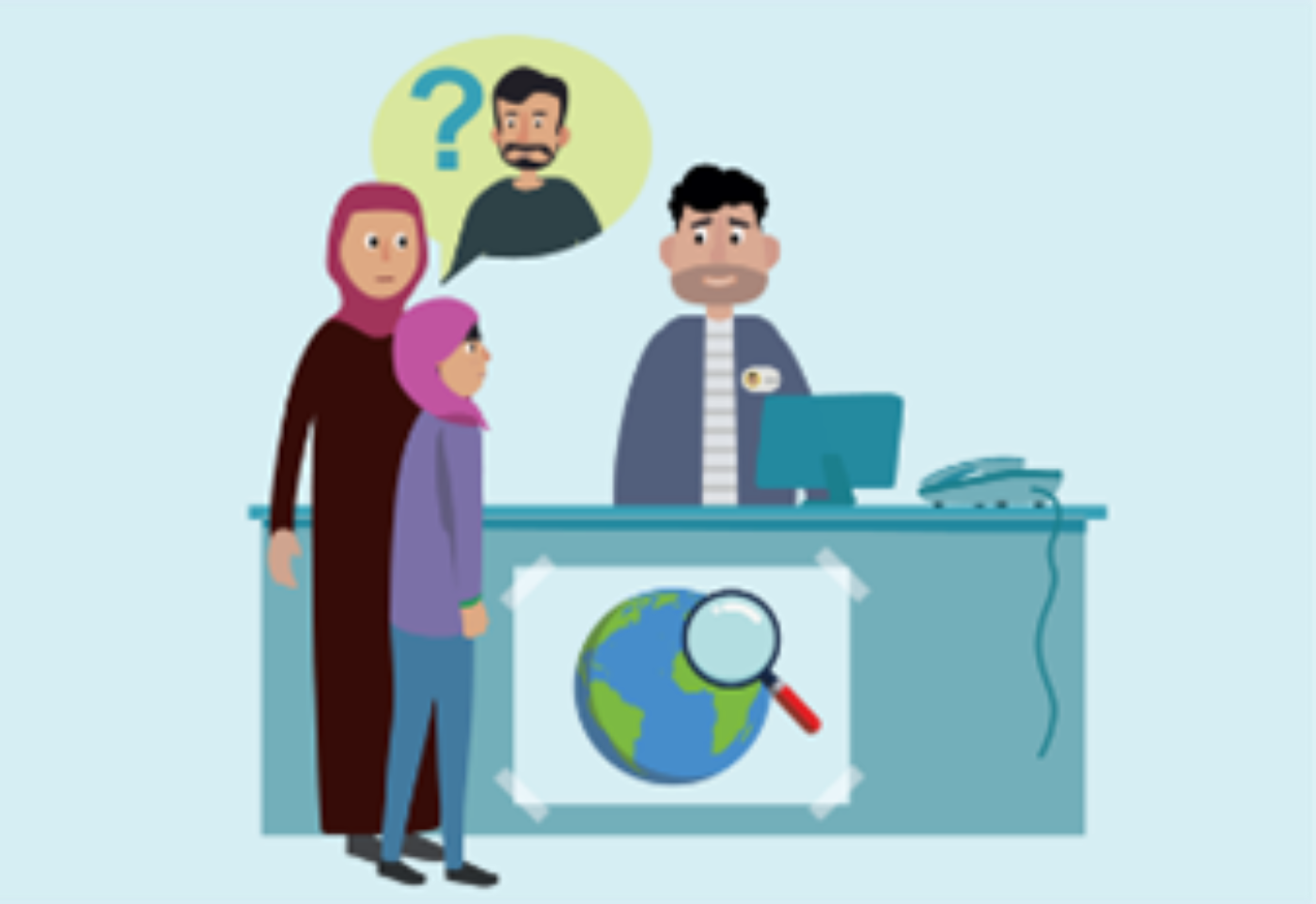
No matter where you are accommodated you have the right to:
- stay with your family
- get help to search for your family members, if you don’t know where they are.
What is the best interest of a child?
In Europe, everyone below 18 years old is considered a child and has the right to receive special support.
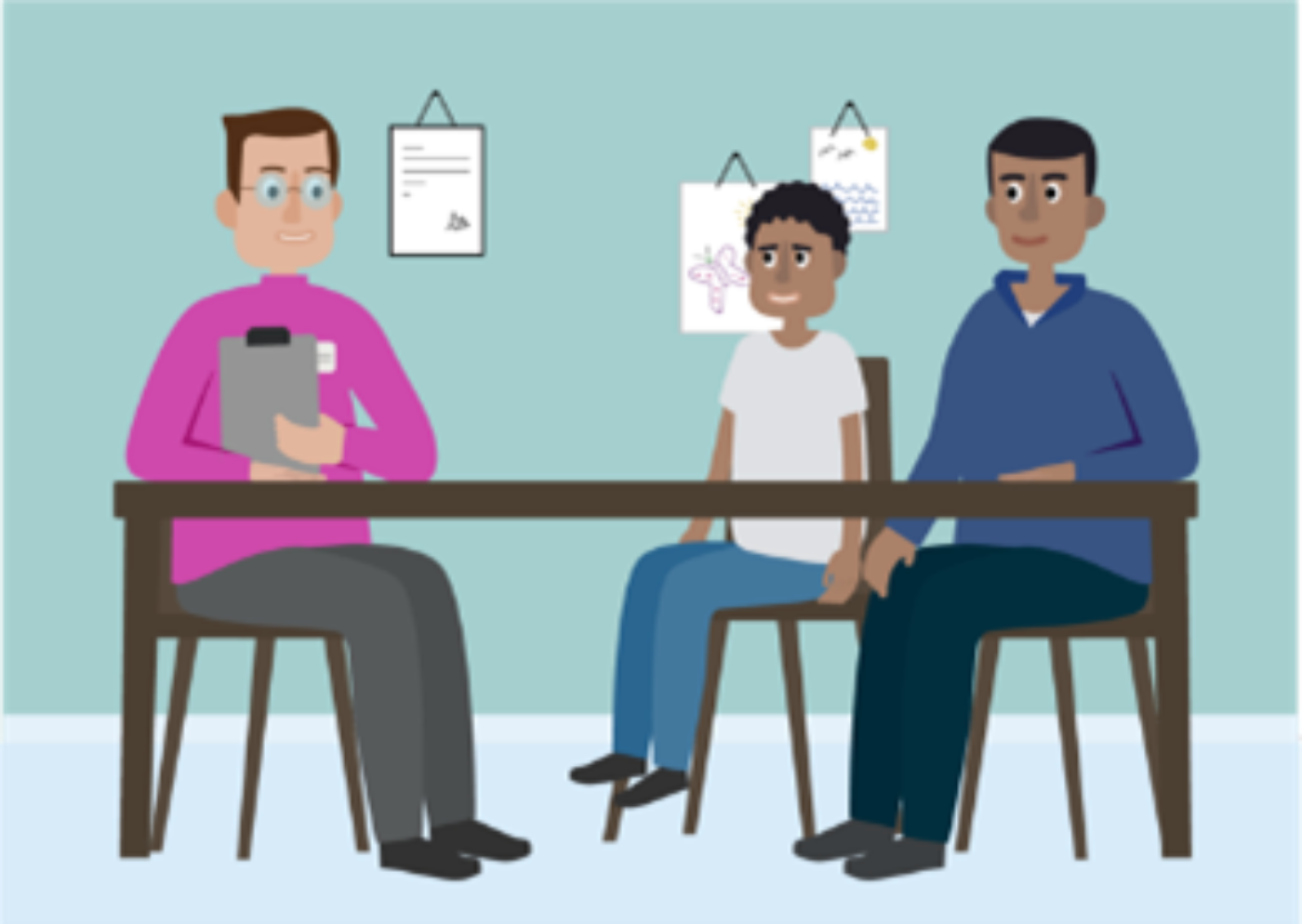
Adults who care for children, like parents or a representative, should always put them first. Every child deserves a safe and healthy life, food, school, playtime and a loving family. Considering the best interests of a child means making the best choices and finding the best solutions for a child to be safe, happy and healthy.
Every child's best interests matter. Any adult taking care of a child should consider what is best for them. But it’s not always easy. Sometimes caregivers might struggle.
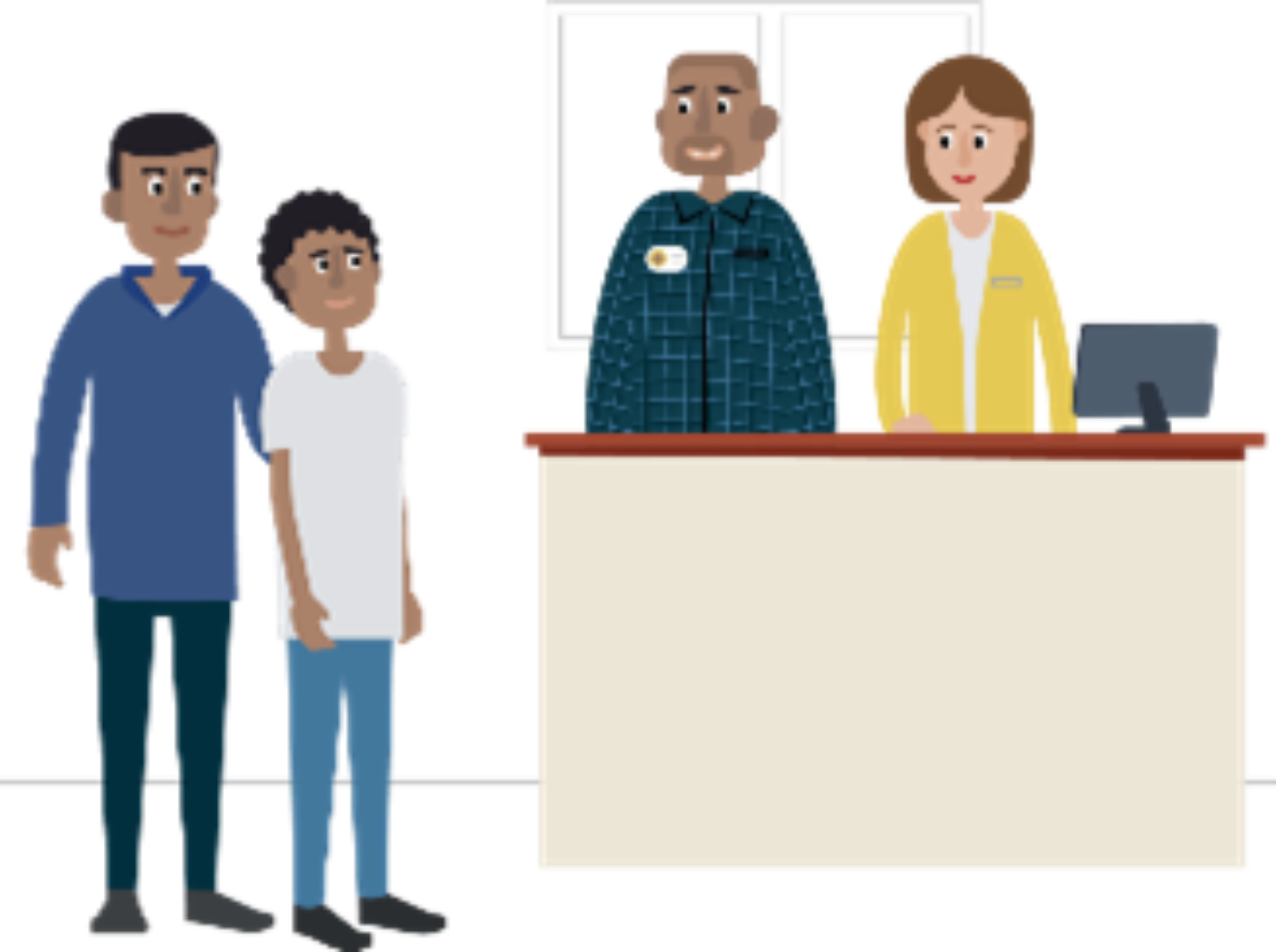
Do you have any problems? You can always ask the staff for help and support. Do not be afraid, problems can be solved together.
During your stay in the country, the following professionals can help you, for example:
- A case worker of the BFA will review your family’s asylum application.
- Reception staff can support you during your stay but cannot influence your asylum application.

- A social worker will help you and your family with your everyday needs or contact other professionals who can help with a specific problem.
- A doctor or nurse will help you if you feel sick, you are injured or you need any kind of medical assistance.
- A psychologist will help you if you feel sad, angry, afraid, worried or you find it hard to sleep.
- A legal adviser will help you and your family to understand what will happen during the asylum procedure and in case you believe your rights are not respected.
- An interpreter can help you communicate in a language you understand. Their role is to translate exactly what you and the others say.
The staff will also inform you about non-governmental organisations who may also provide you with information and assistance.
What is your role as parents?
If you are a parent, you are responsible for your children during the asylum procedure. This means that you represent your children and make decisions for them. The authorities will communicate with you about your children’s case.
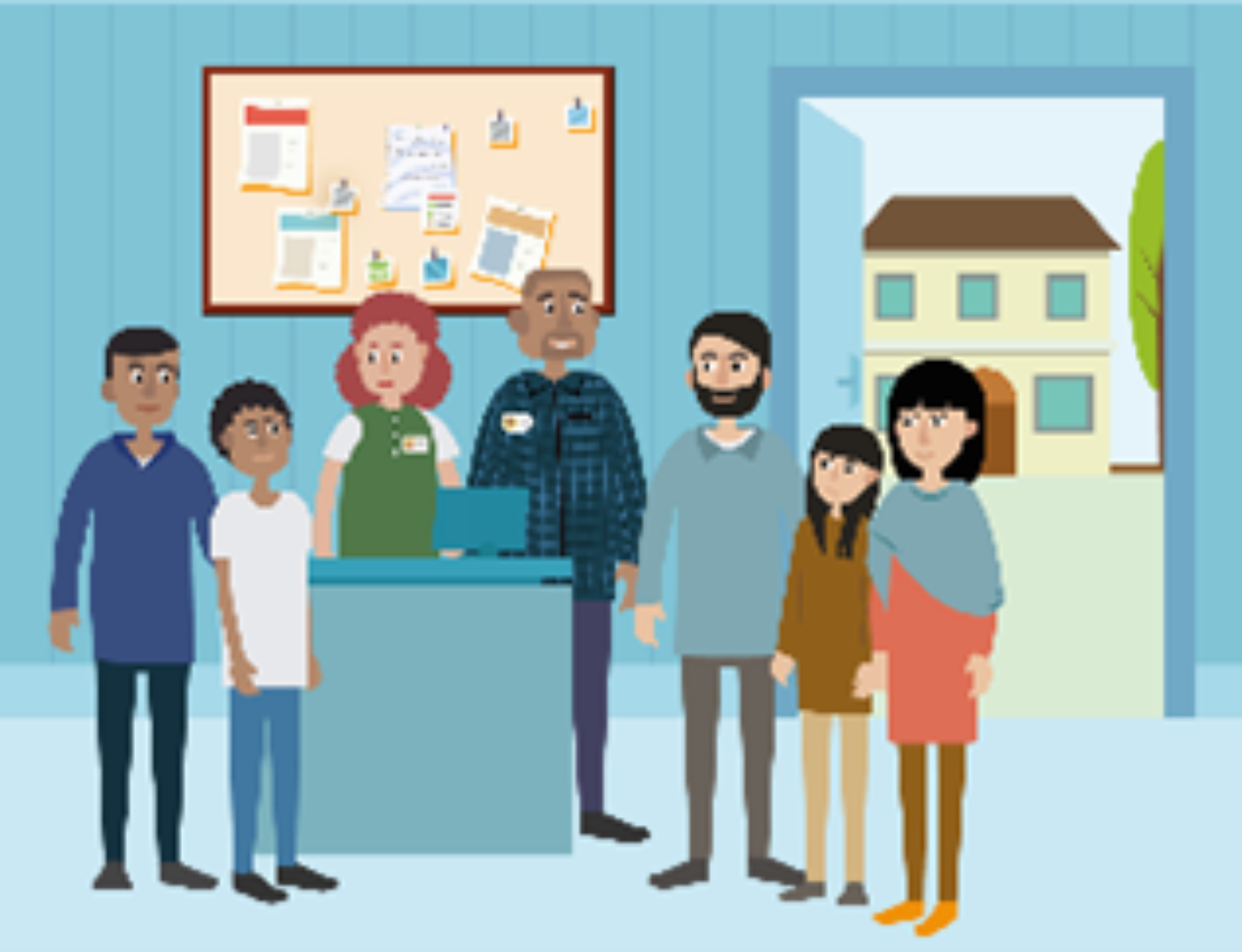
As a parent, you must:
• attend appointments with the authorities
• provide correct and complete information
• make important decisions for your children.
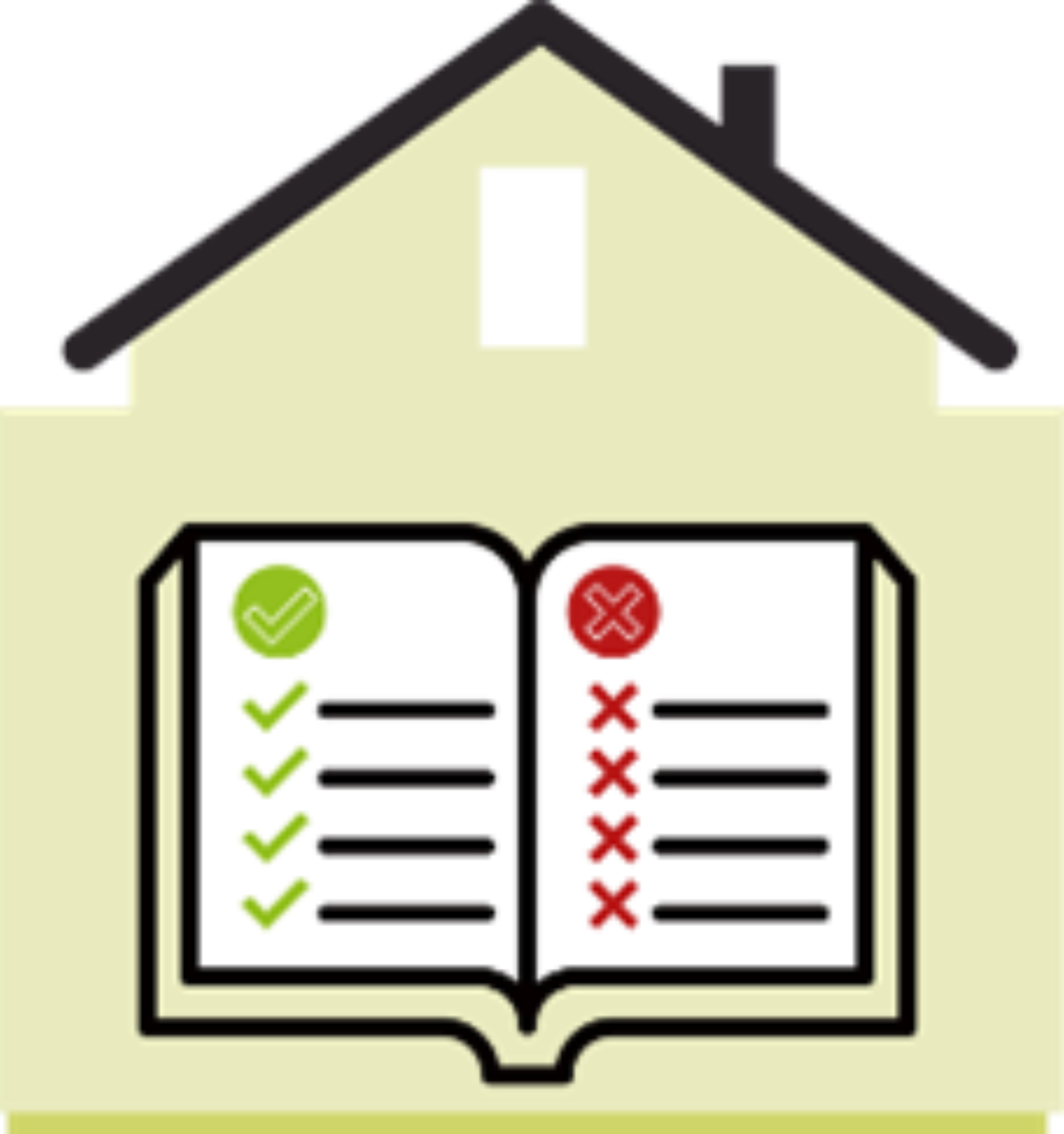
Wherever you and your family will stay, there will be rules to follow. For example, you must respect the other residents and the staff and you must not be noisy during the quiet hours especially from 22:00 to 06:00.
The staff will explain the rules and the consequences when rules are not followed.
All rights and duties in the asylum procedure also apply to your children. As a parent, you are responsible for making sure that your children respect these duties. Learn more about your rights and duties here.

Children have special rights. One of the most important rights is the right to education.
In Austria, all children between 6 and 15 years old must attend school. Parents have the obligation to send their children to school.
What is the procedure if you have arrived with children?
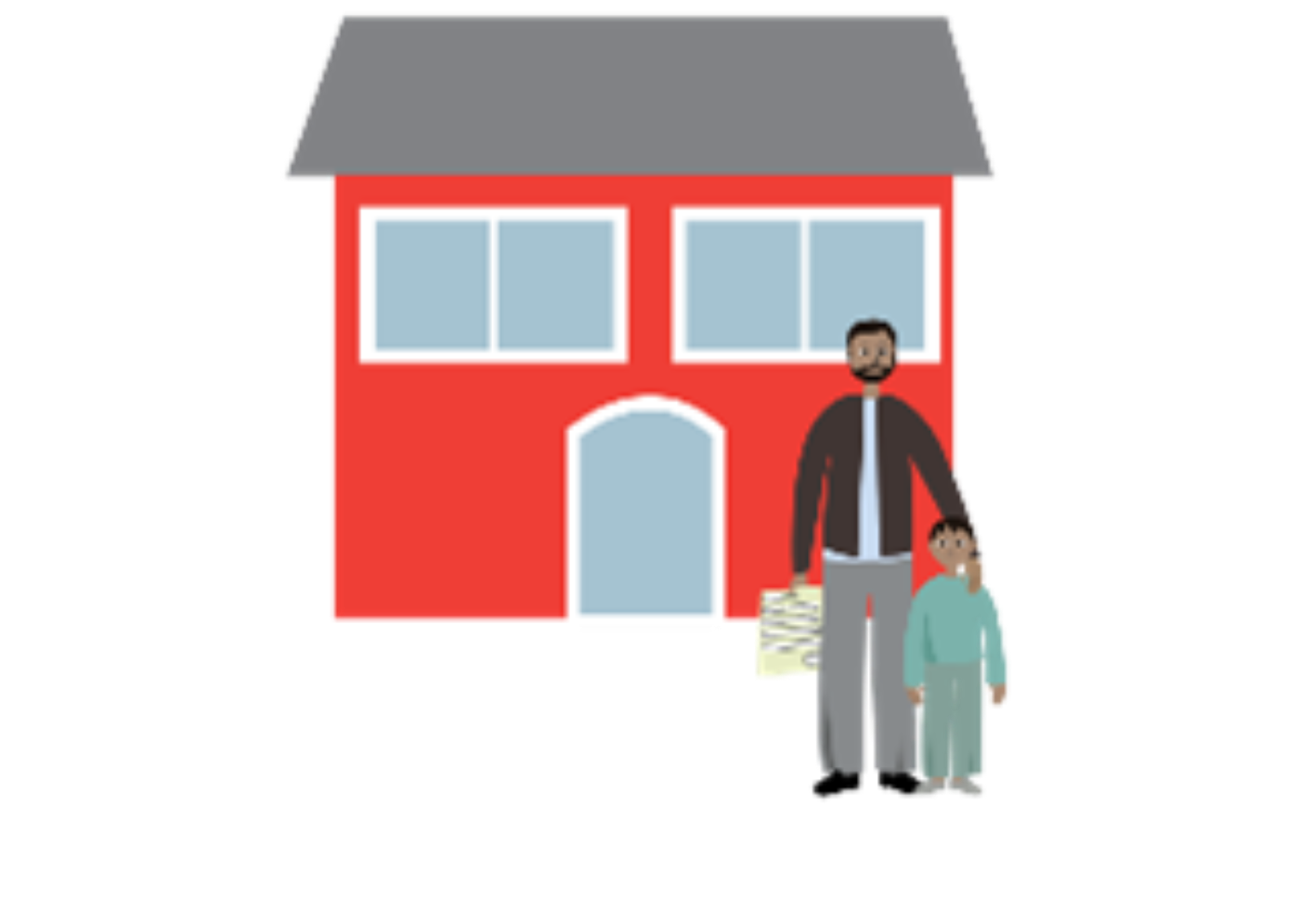
If you arrived with:
- your children under the age of 18, or
- children under the age of 18 for whom you are legally responsible
they need to apply for international protection too. The children need to go with you to the authorities.
If your children are 18 years of age or older, they have to lodge their own application.
Each adult applicant will be interviewed separately. Your children will also be provided with the opportunity to have an interview. Children must be interviewed with an adult responsible for them, like a parent or representative.
If several family members apply for asylum, their cases are usually examined together. However, each person receives their own decision. If one family member is granted protection, the other close family members may receive the same protection status.
Close family members include:
• your husband or wife
• your unmarried partner with whom you share a stable relationship
• your children under 18 (and unmarried)
If your child is born in Austria after you applied for asylum, you must tell the BFA within two weeks.
Your child will usually receive the same protection status as you.
What if you have family in another EU+ country?
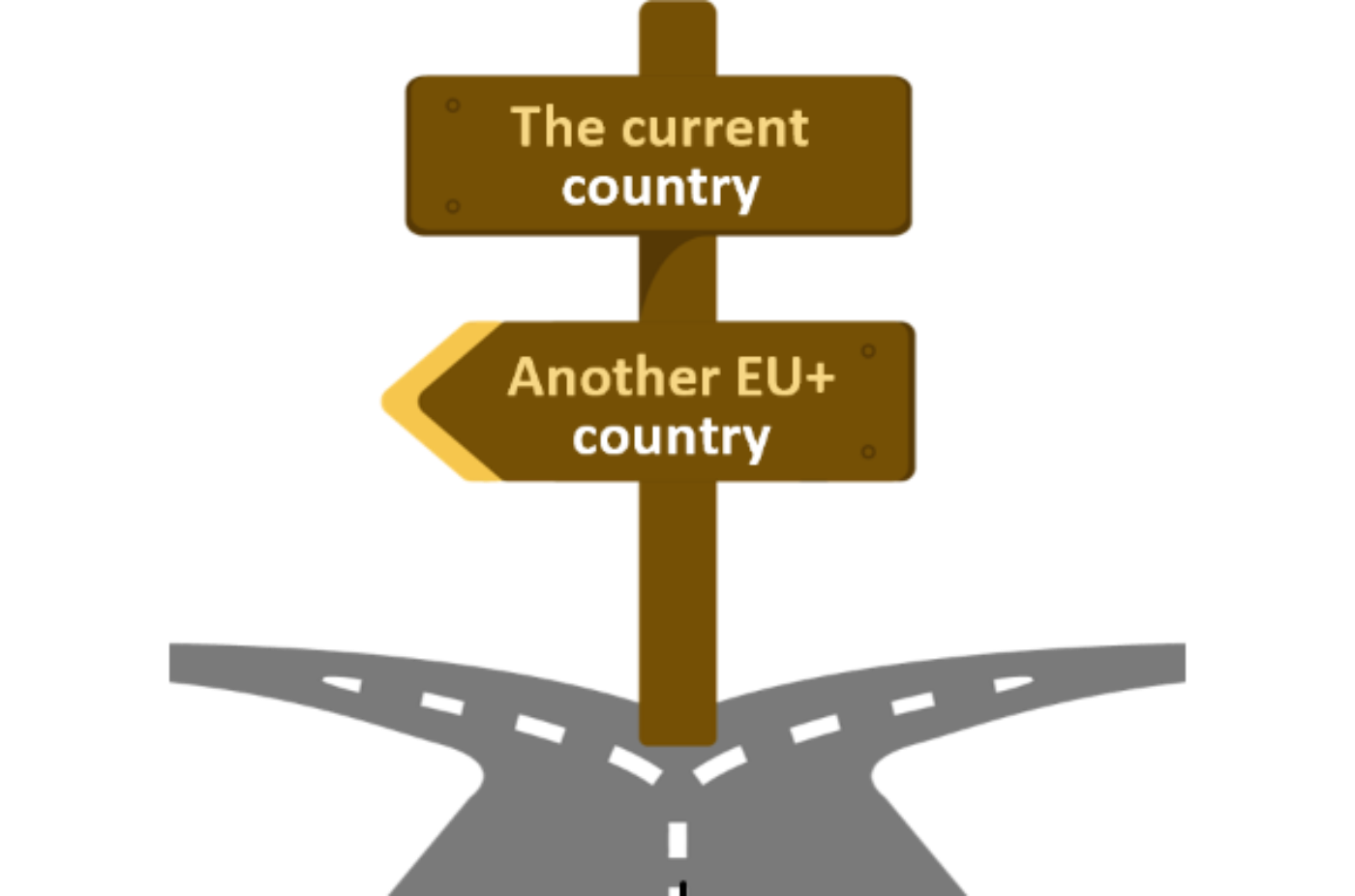
After registration, the authorities will decide which country will examine your application. It will be either Austria or another European country. You cannot choose the country, but your best interests will be taken into account. The authorities will explain this to you.
It is important that you tell the authorities during the registration:
- if you have family in another European country
- if you have asked for asylum in another European country before.
If you have family in Europe, it is important to tell the officials everything you know about your family. It is possible that you can stay with them either in this country or in the country where they are living. Learn more about the procedure here.
Do you want to know more about the asylum procedure?
You can find more information about the standard asylum procedure and all the steps here: