Vulnerable persons
Some people need extra support and guarantees during the asylum procedure.
This may be the case if you are ill, have a disability, are pregnant, or care for someone who needs your help.
It is important to tell the authorities about your situation so they can support you. On this page, you will find information about your rights and the guarantees you can get.
What is the procedure if you have arrived with a dependent adult?
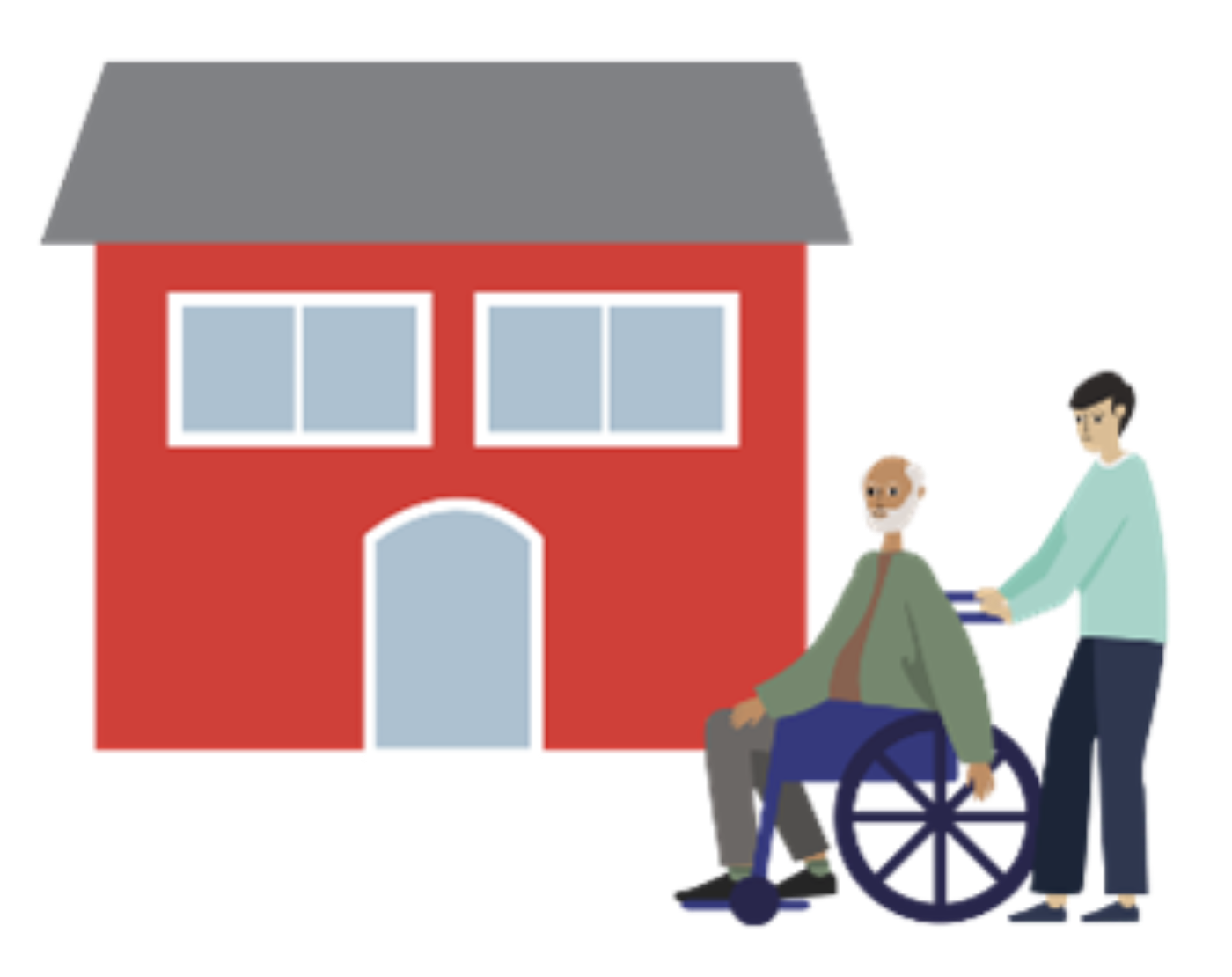
If you are responsible for a person who is 18 years of age or older and has a disability that prevents them from making decisions, you may apply for international protection and lodge an application on their behalf.
That person needs to be present with you during the lodging of their application.
How will the authorities consider any special needs?
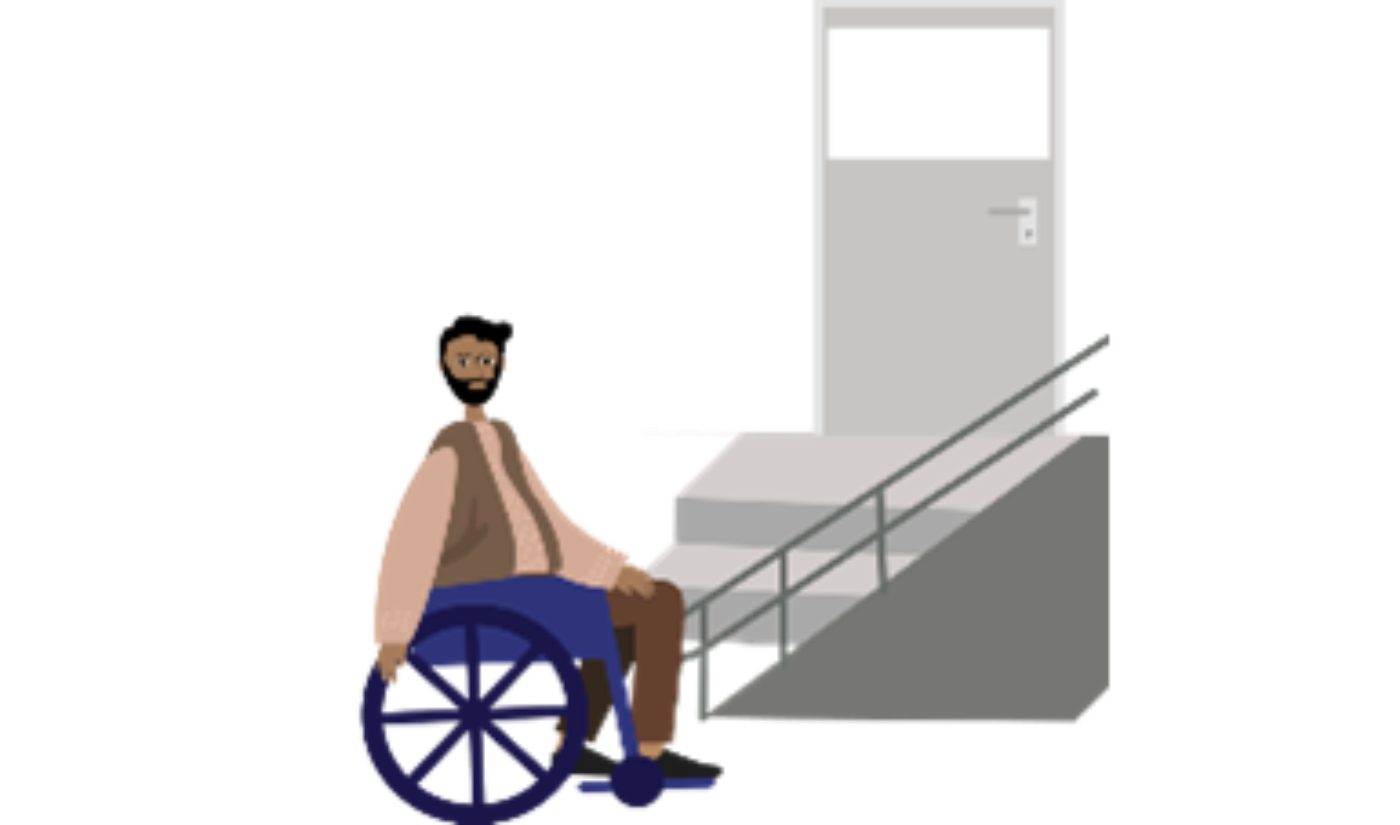
You should inform the authorities as soon as possible if you need any special support.
These needs can arise from a wide variety of situations such as pregnancy, illness or experiences of psychological, physical or sexual violence.
The authorities will assess your situation and may provide additional support to facilitate your participation in the asylum procedure. For example, they may assign specialised staff to your case or adjust the length of the asylum procedure.
You have the right to receive specialised support if you have special needs
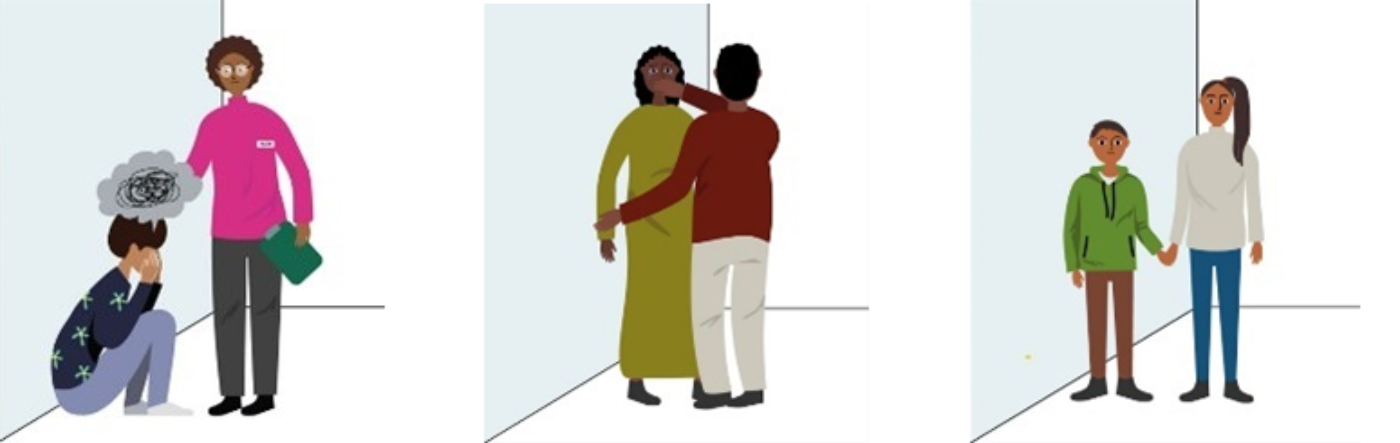
Please inform the staff if:
- you are ill or injured
- you are or you might be pregnant
- you have family members in need of specific support
-
you have disabilities (for example, limited mobility, hearing loss, vision impairment)
-
you feel constantly nervous, worried or anxious, you cannot sleep, or you have negative thoughts
-
you are suffering from past violence or torture
-
you feel unsafe, threatened, or you are afraid of someone, either a stranger or a person you know
-
you have been or are being forced to do things you don’t want to do
-
you feel unsafe due to your faith, who you love, how you dress or behave
-
you are younger than 18 and you arrived without your parents, either alone or with other family members.
Specialised support can only be provided when the reception staff knows about your special needs.
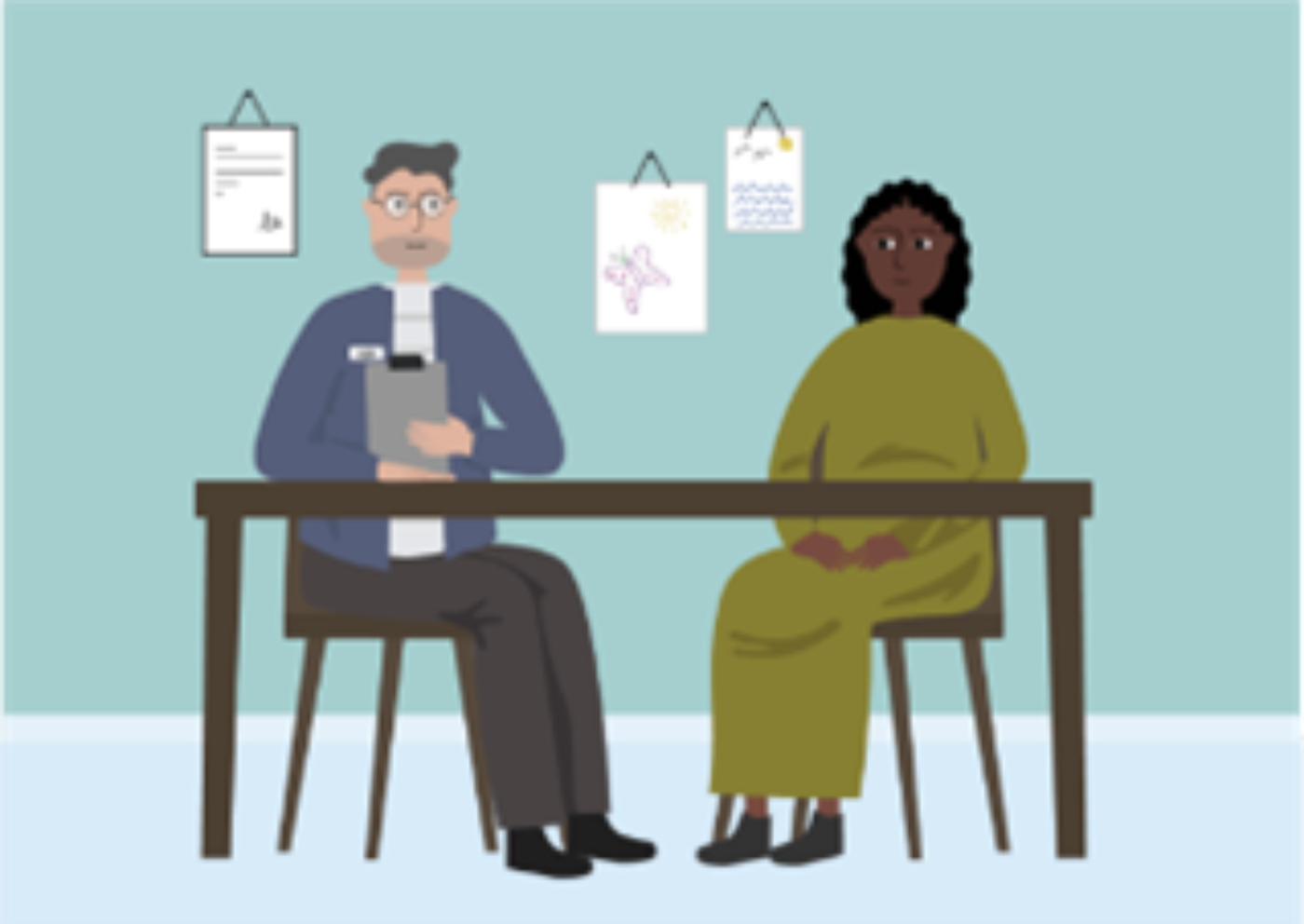
Specialised reception staff will ask you questions to:
- evaluate your special needs
- identify what specialised support is best for you.
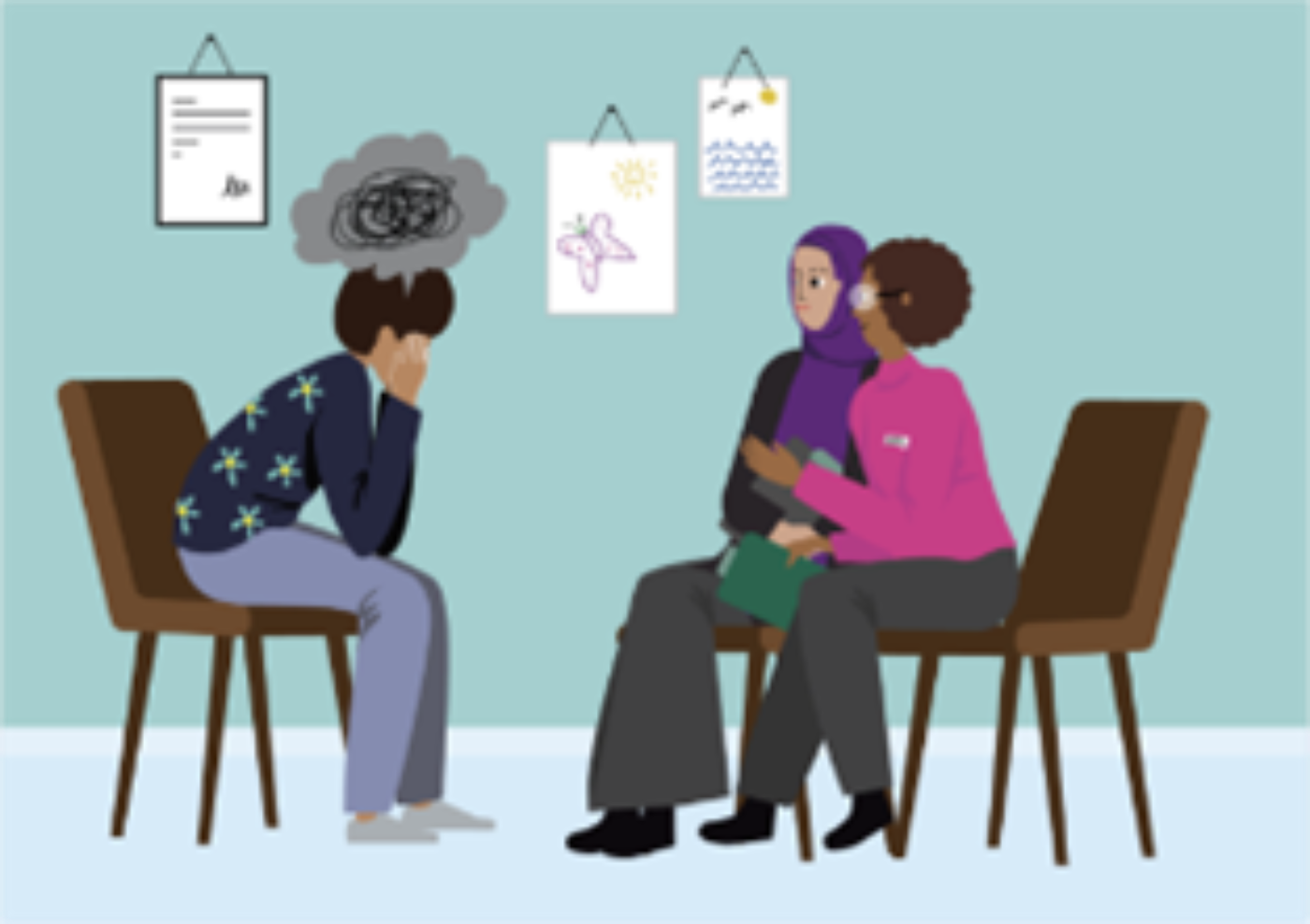
This is called an assessment of special needs. An interpreter will help you communicate in a language you understand, if necessary.
Always contact the staff if you need specialised support.
You will receive this support for as long as the authorities consider you are in need.
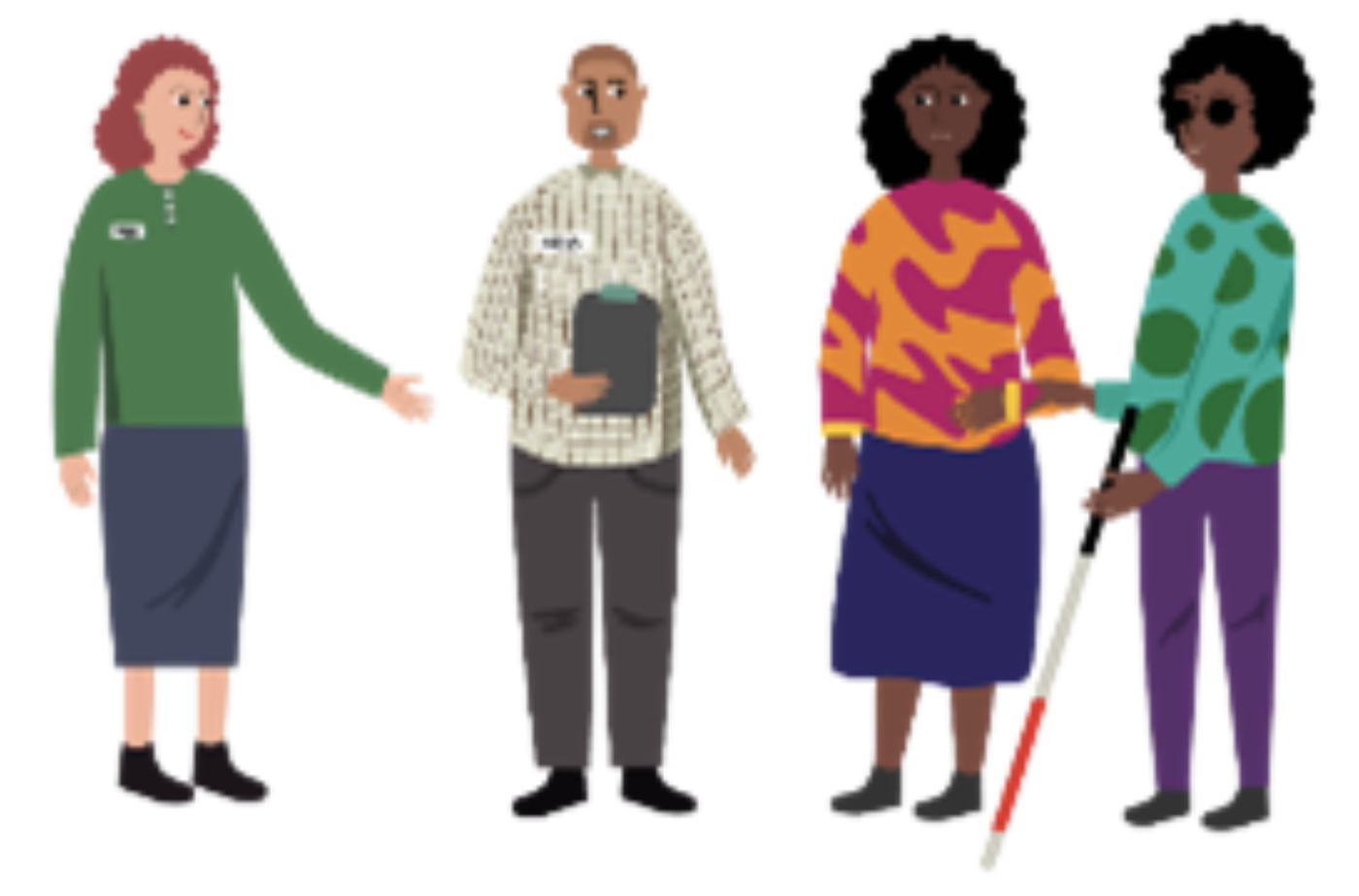
You can trust the doctor, the nurse and the specialised staff and talk freely to them. All information will be kept confidential, meaning it will not be shared with others without your agreement.
The only exception is if your life or someone else’s is at risk.
Where will you stay?
The authorities will tell you where you will stay and explain the conditions. The place where you will stay while your application for international protection is being examined depends on many factors.
No matter where you are staying, you have the right to:
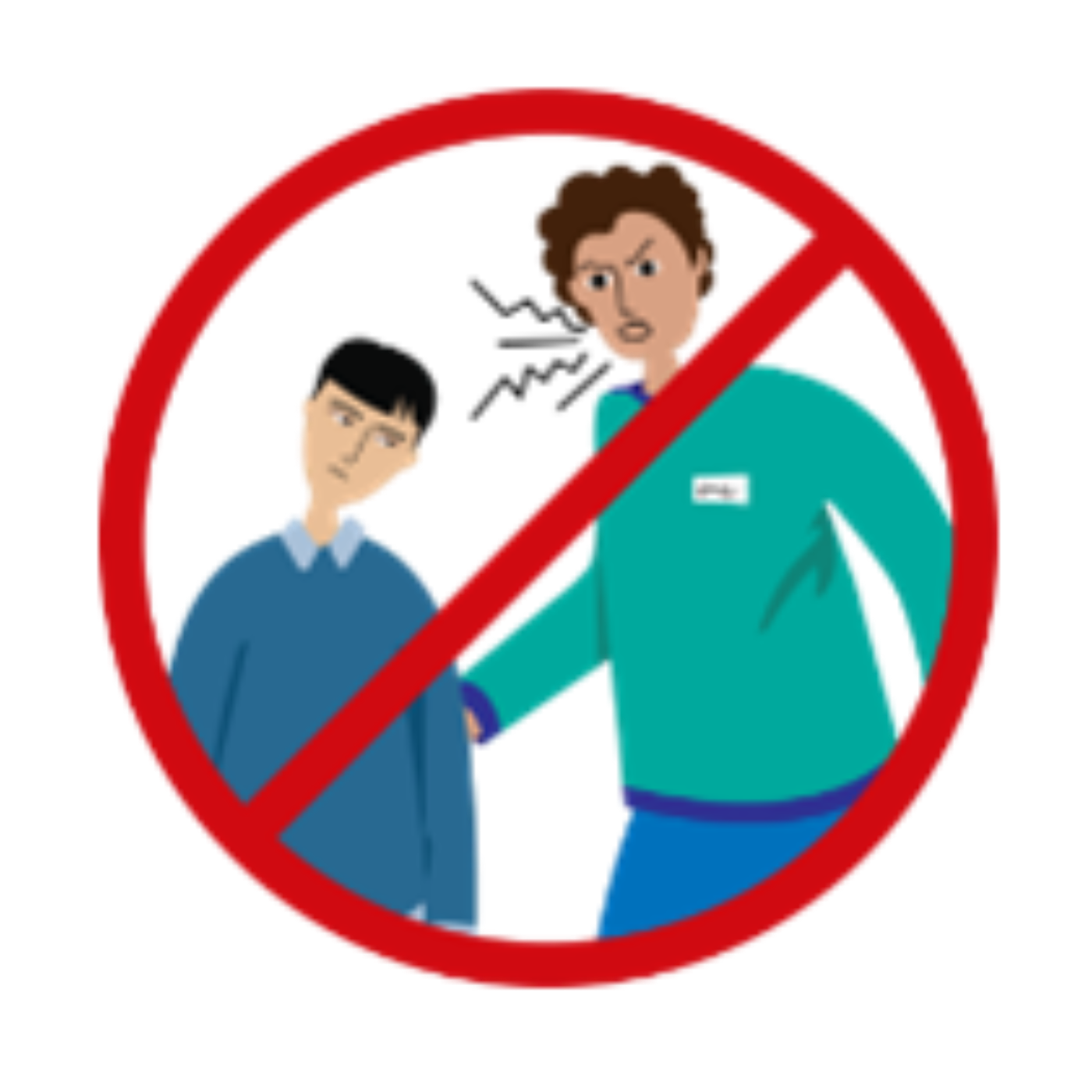
- be safe: nobody, including the staff, is allowed to threaten, insult or harm you
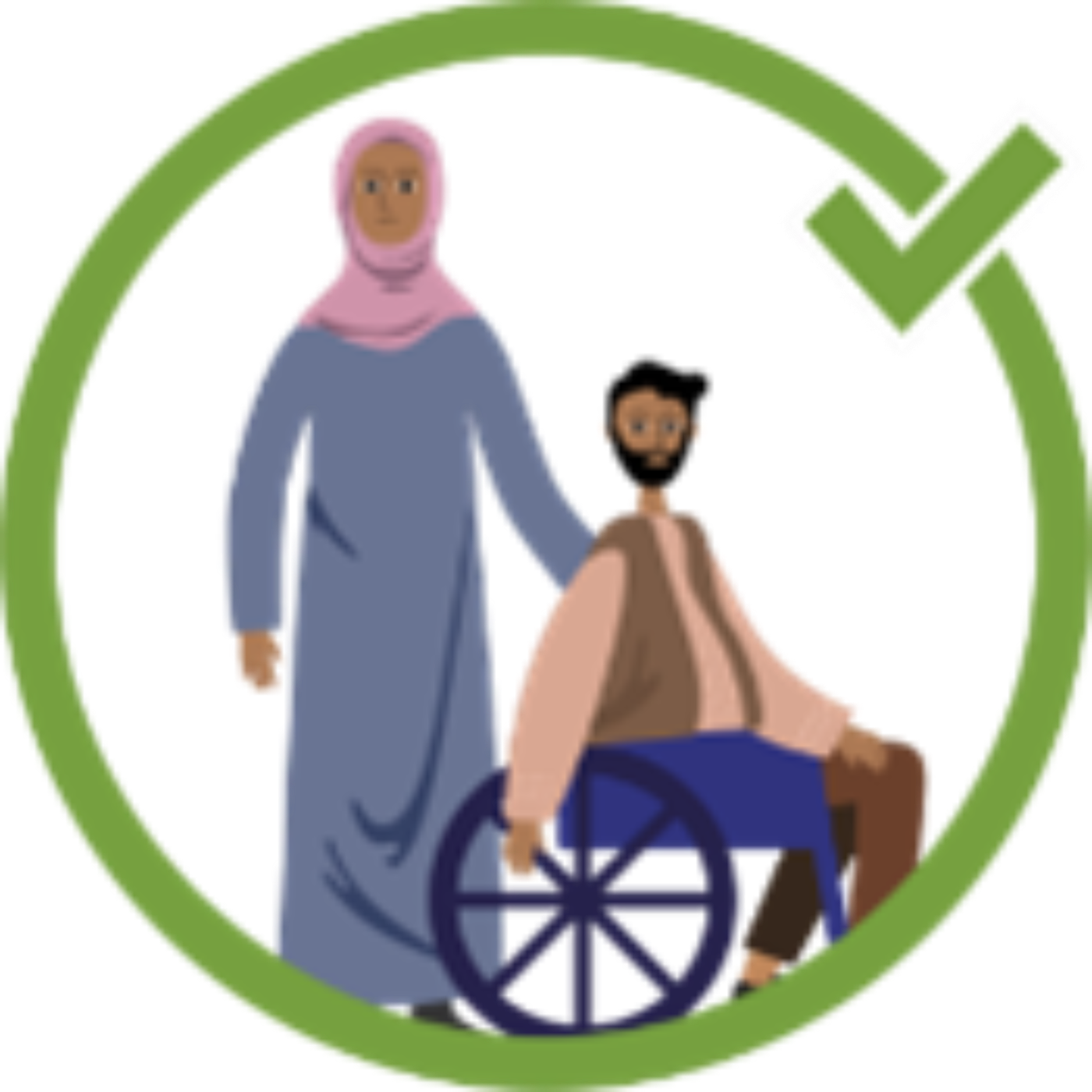
- stay with your husband, wife, children and siblings under 18 or with an adult relative who needs daily care
- stay with your relatives, if you are an adult in need of daily care
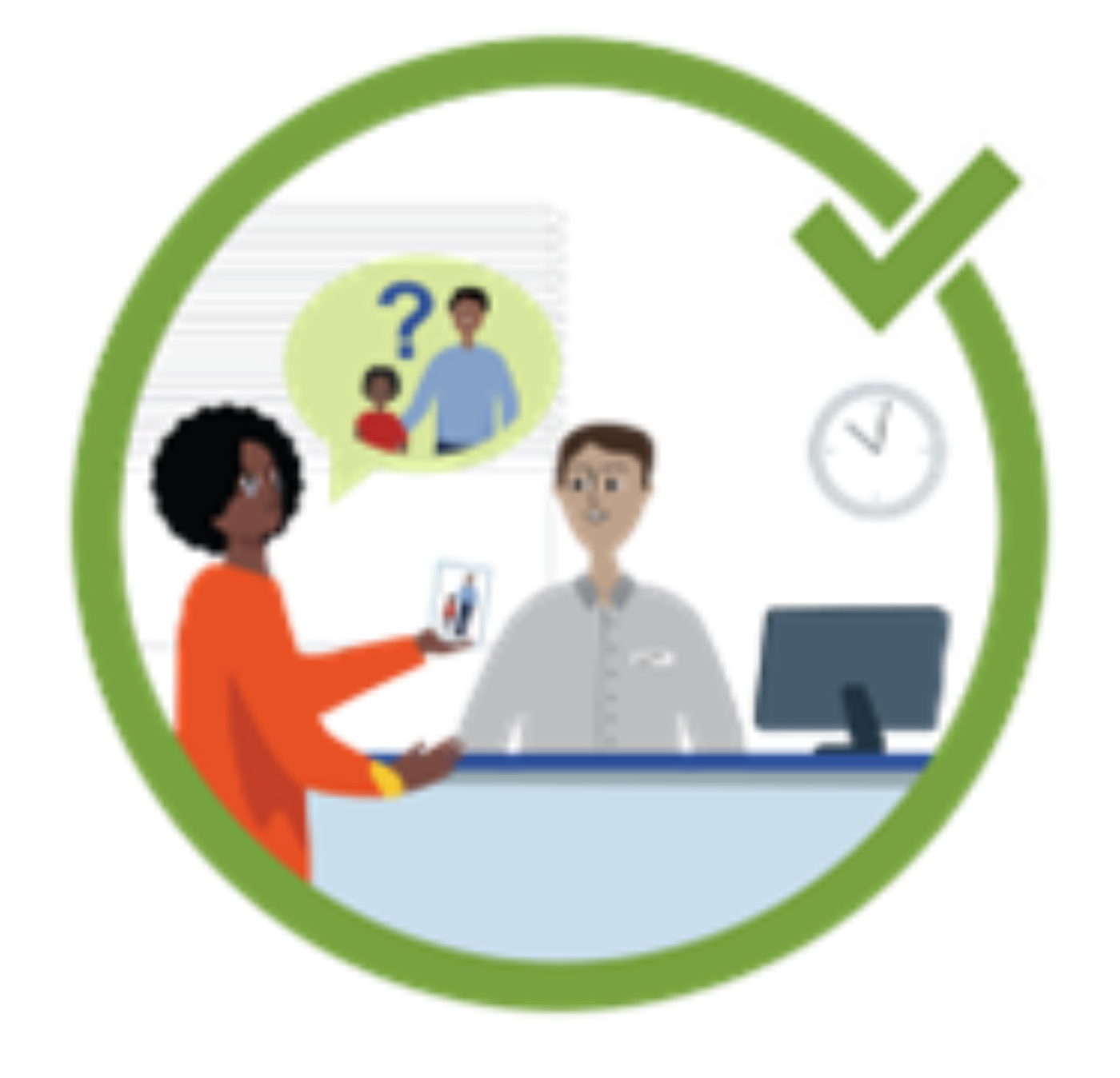
• get help to communicate with your family and to try and find them, if you do not know where they are.
What if a dependent family member is in another country?
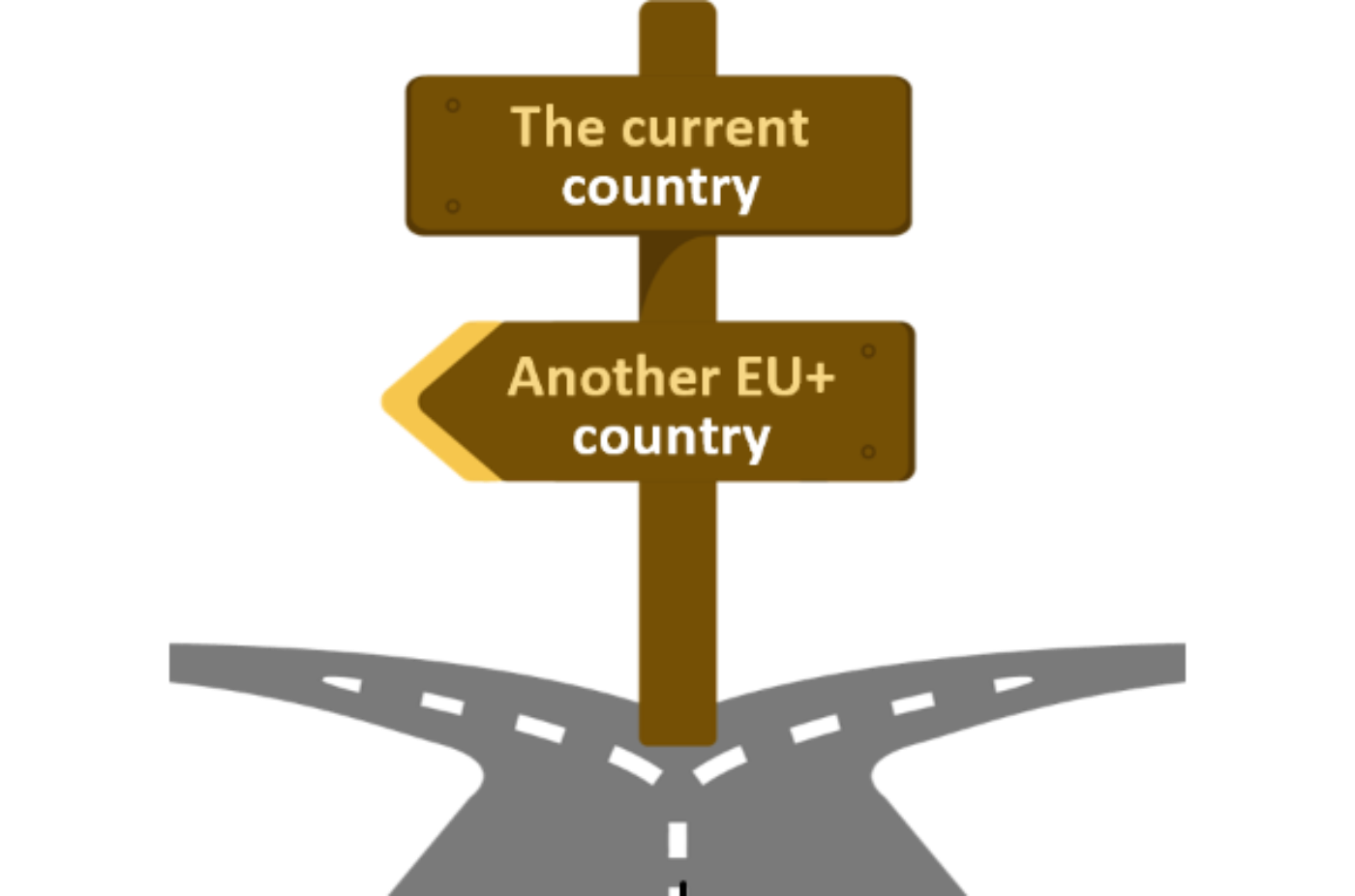
The authorities will follow a procedure to decide which EU+ country is responsible for your application for international protection. If this is your first application for international protection in an EU+ country, there are several reasons why a certain EU+ country may be responsible for examining your application.
One of them is if you are dependent on the care of a family member who is in another EU+ country or you have a family member in an EU+ country that depends on your care.
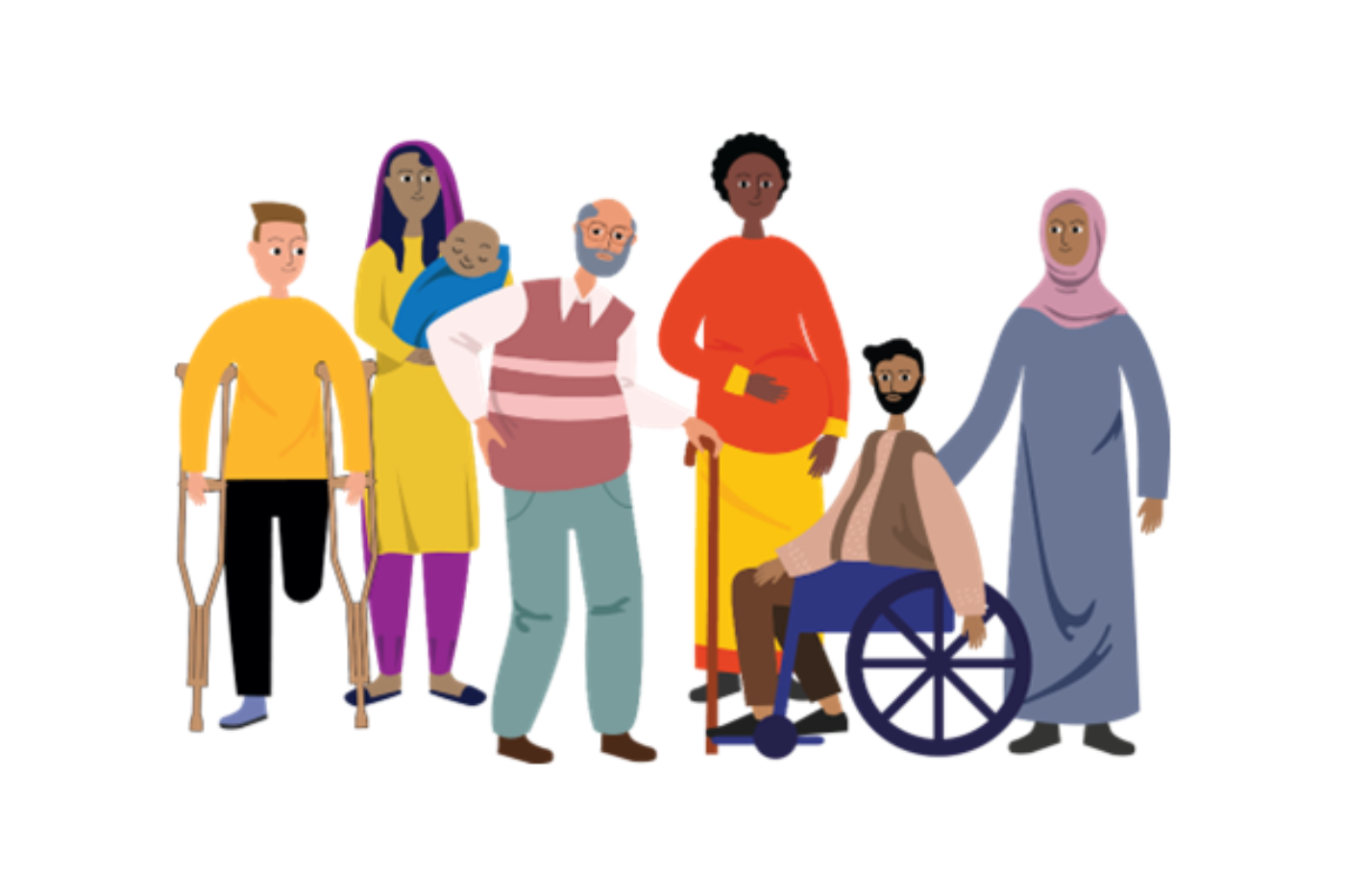
The dependent family member may need assistance due to:
• pregnancy
• having a newborn child
• serious mental or physical illness
• severe disability
• severe psychological trauma
• old age.
In cases of dependency, you must be able to show that you are able to care for the dependent person or that your family member is able to care for you.
Do you want to know more about the asylum procedure?
You can find more information about the standard asylum procedure and all the steps here: