Determining the responsible country
When you apply for asylum, the authorities first check which EU+ country is responsible for your application. This decision is based on different factors, such as your family, your travel to Europe, or if you have already been in another EU+ country.
On this page, you can learn how this decision is made and what information you can provide to support your case.
How do the authorities decide which EU+ country will examine your application?
If this is your first application for international protection in an EU+ country, there are several reasons why a certain EU+ country may be responsible for examining your application.
The first and most important reason is a close family member has already been granted international protection or is currently applying for international protection in another EU+ country, and you should be reunited with them before your application for international protection is examined.
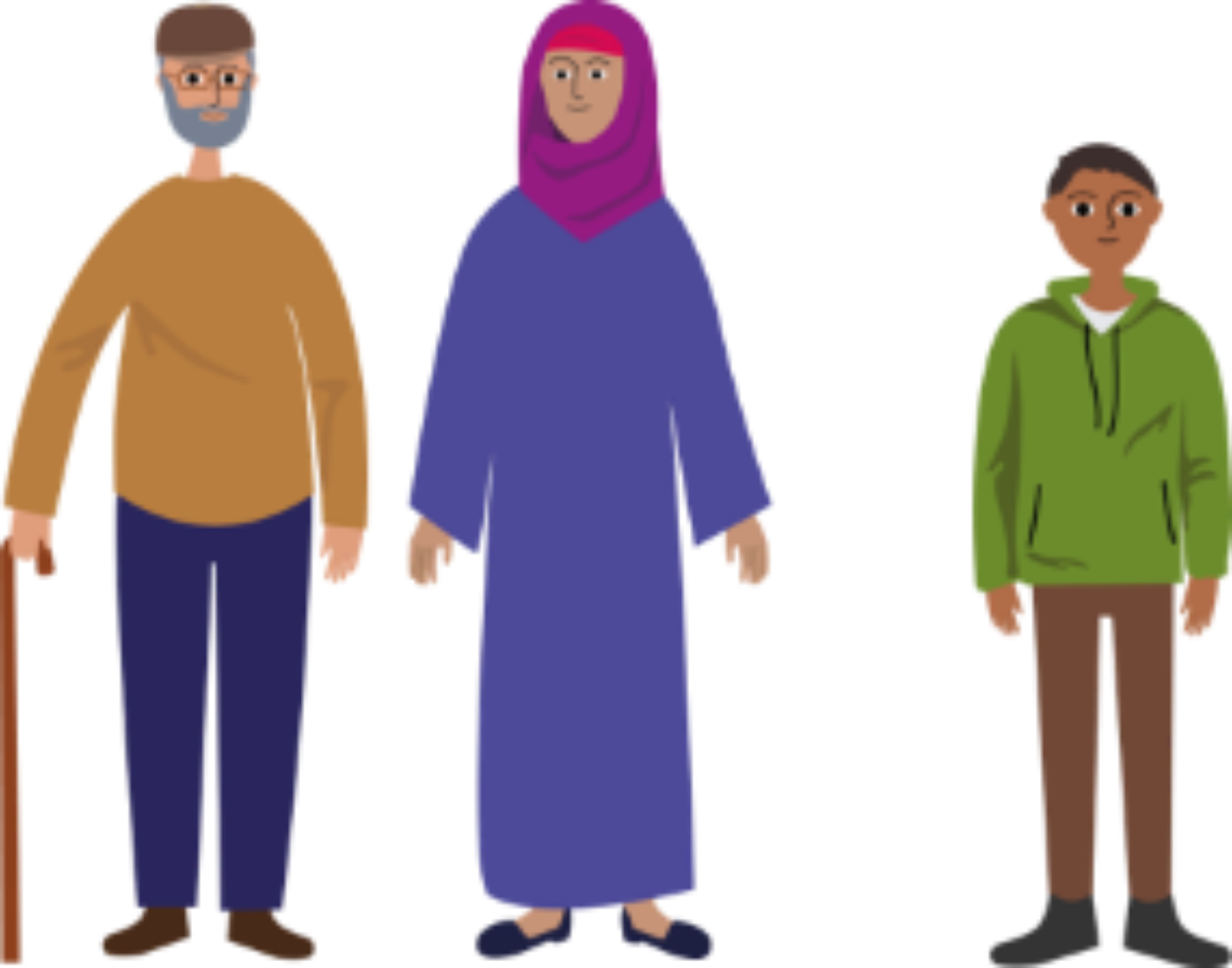
Close family members are considered to be:
- your husband or wife
- your unmarried partner with whom you share a stable relationship
- your child (under the age of 18 and unmarried).
Important!
You must be able to prove as soon as possible that you had a relationship with that person before you entered the region of the EU+ countries. This period can include the journey from your home country.
If you have a family member living in another EU+ country, the best way of providing information is by completing the form called the ‘family tracing template’. If you have a family member living in another EU+ country and you have not yet received this form, speak to an officer or your legal counsellor. They can also help you to fill out the form.
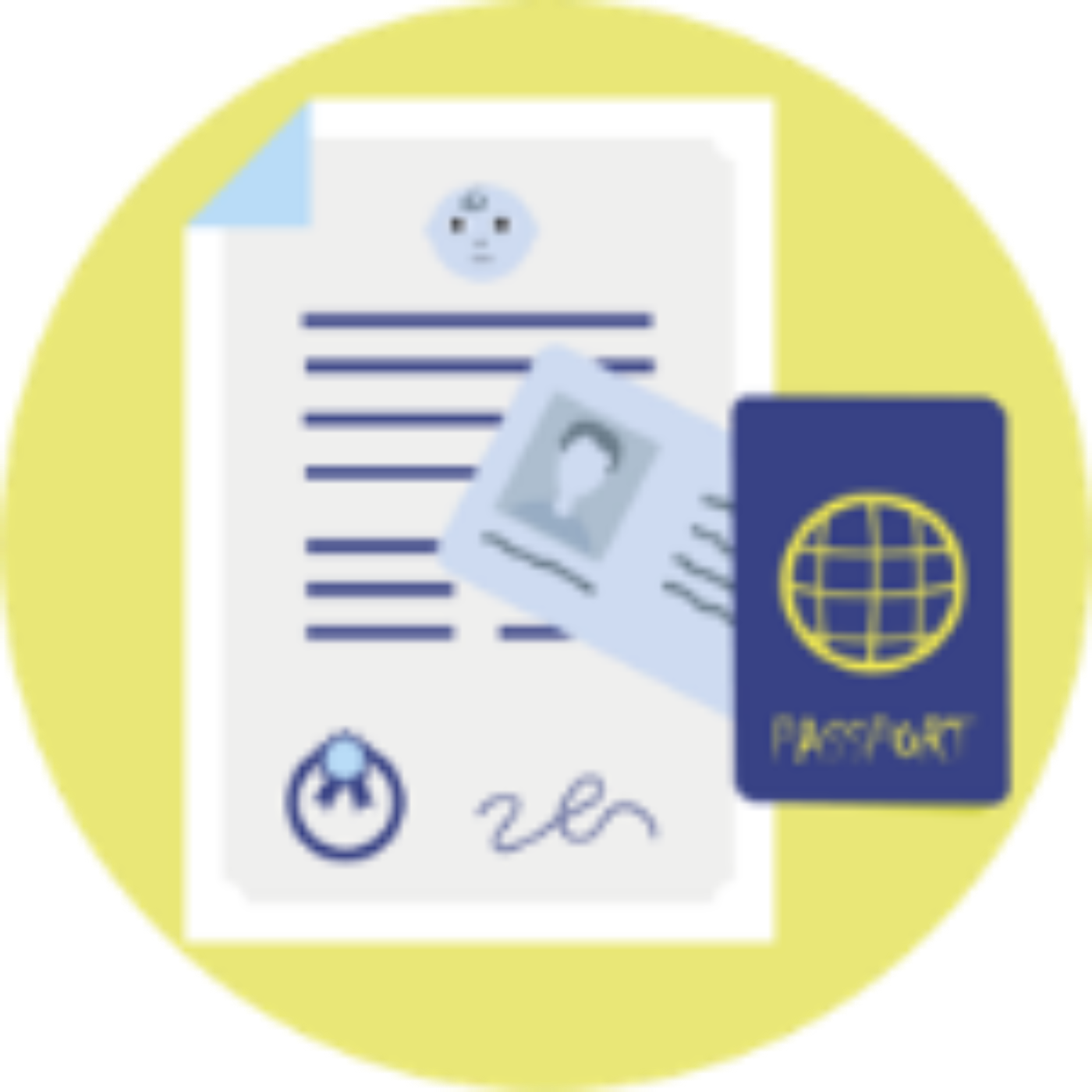
An EU+ country may be responsible for examining your application if:
- you have a visa or residence permit in a certain EU+ country
- you entered an EU+ country which you were allowed to enter without a visa because your home country has an agreement with that country.

- You were awarded a qualification or diploma after studying in person at an education facility in an EU+ country for at least one academic year.
Another EU+ country may be responsible for examining your application if:
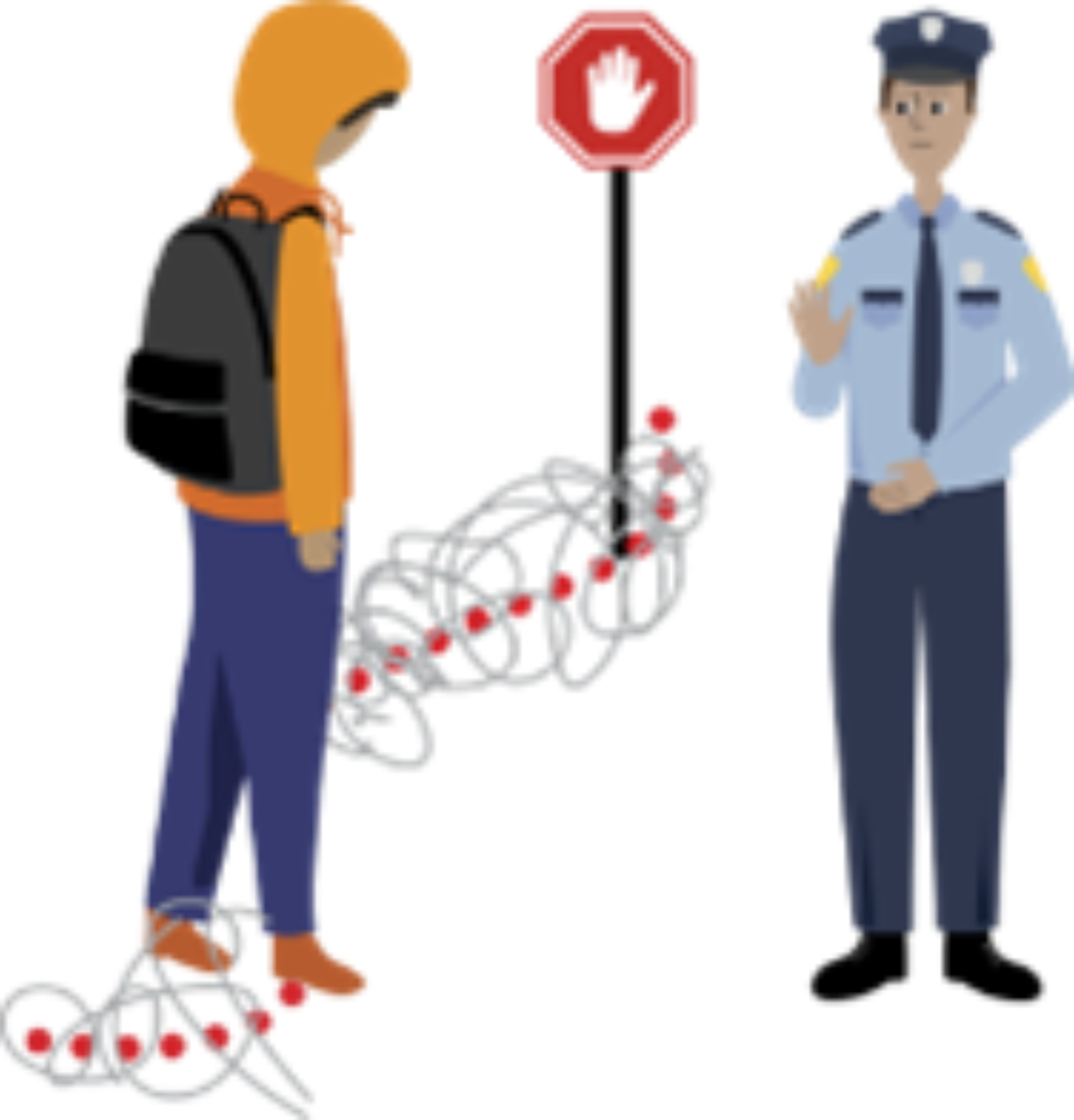
- you crossed the external border of one of the EU+ countries without permission
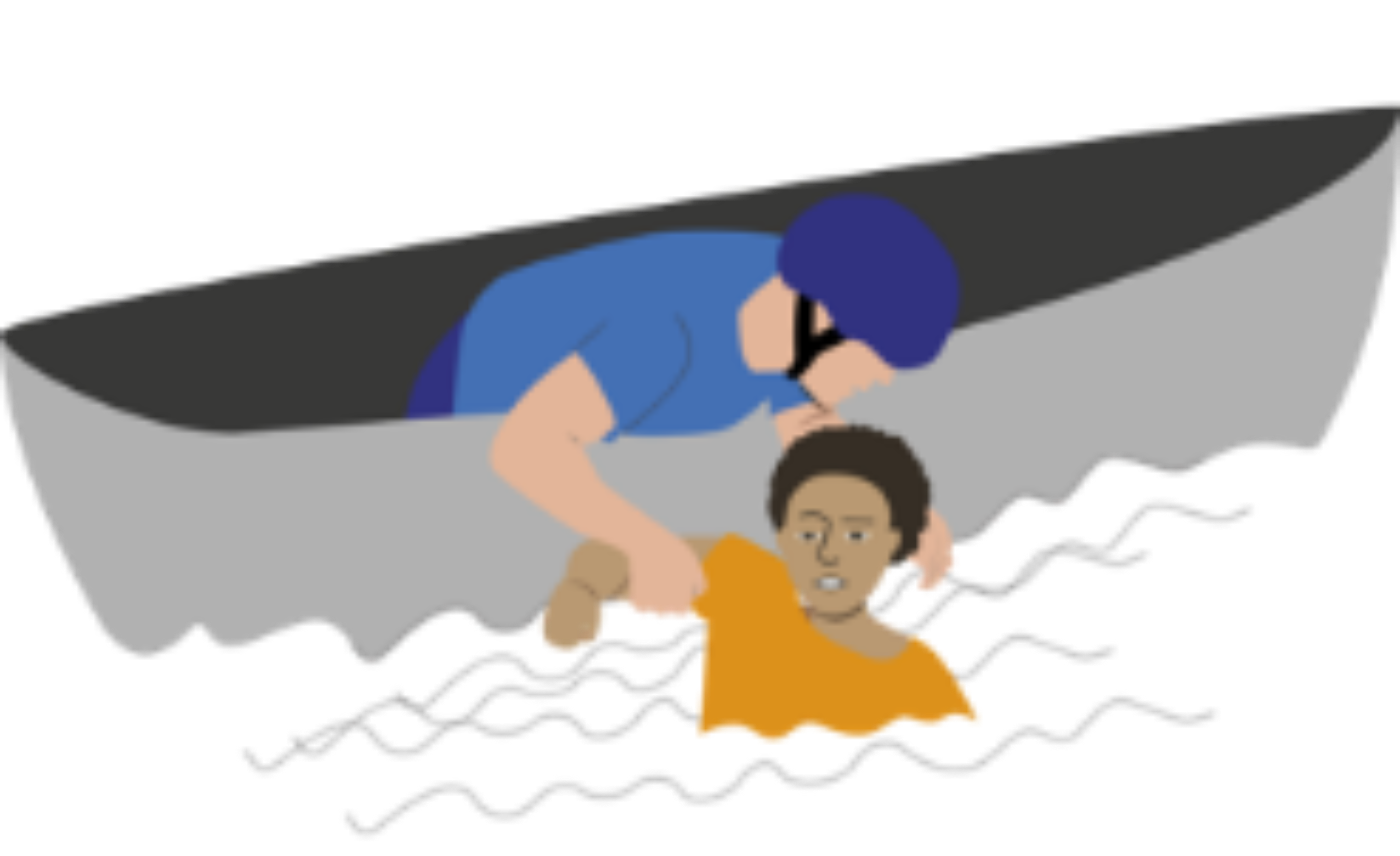
- you were rescued at sea by the authorities of an EU+ country on your journey to Europe

- you made an application for international protection in a transit zone of an airport in one of the EU+ countries.
You are dependent on the care of a family member who is in another EU+ country or you have a family member in an EU+ country that depends on your care.
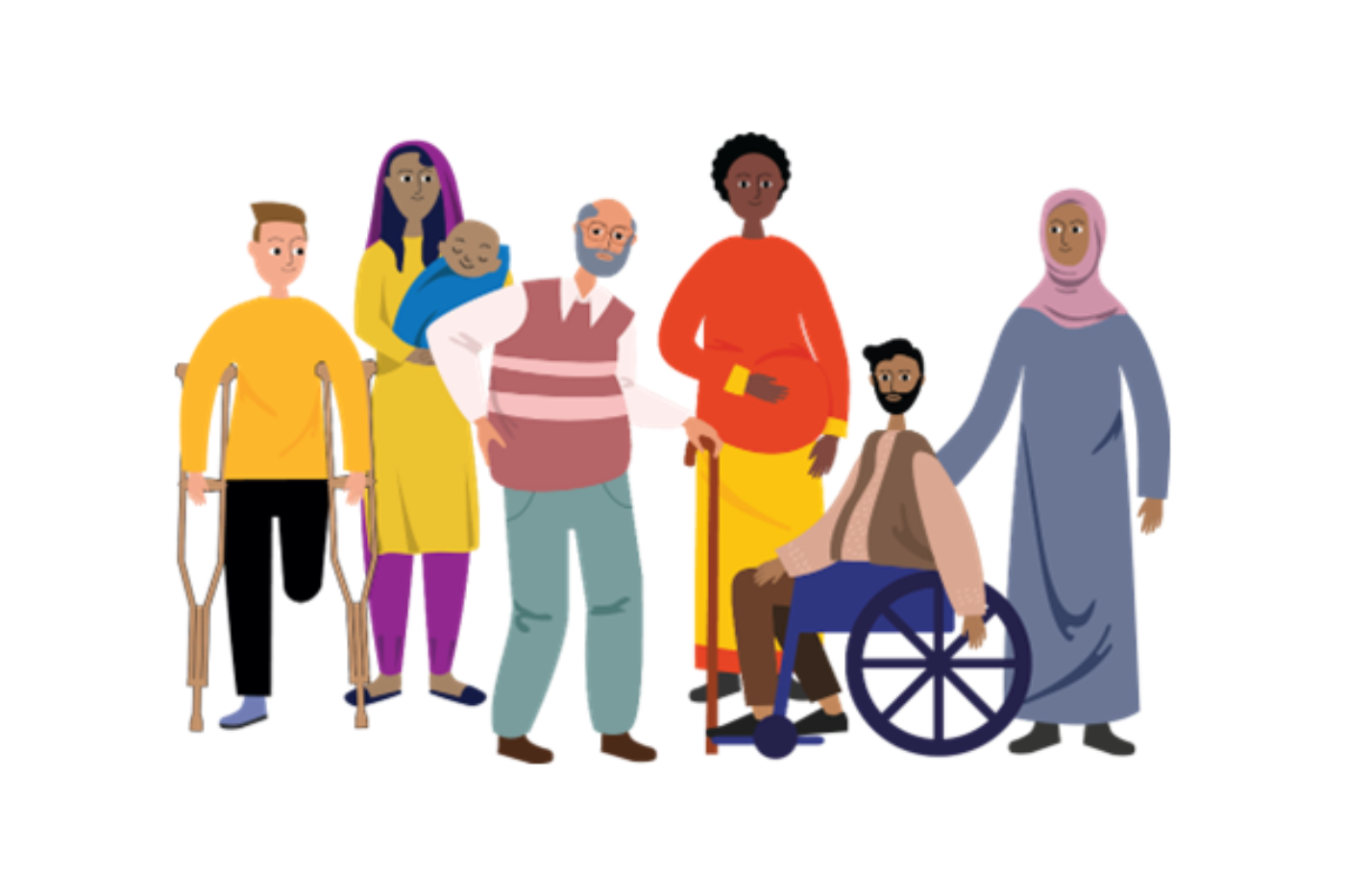
The dependant family member may need assistance due to:
- pregnancy
- having a newborn child
- serious mental or physical illness
- severe disability
- severe psychological trauma
- old age.
In cases of dependency, you must be able to show that you are able to care for the dependent person or that your family member is able to care for you.
There may be a humanitarian reason why a specific EU+ country could examine your application. This can be based upon the following grounds:
- family considerations
- social considerations
- cultural considerations.
Another EU+ country can be requested to examine your application for the above reasons but the final decision will be up to the authority in that country.
What evidence can you provide to prove you have family in another EU+ country?
The best way of providing information on your family member is by completing the form ‘family tracing template’.
In addition to this, provide any official government documents that can prove your relationship. You can also provide other types of evidence, for example evidence to show you have remained in contact with your family member such as photos, emails or text messages.
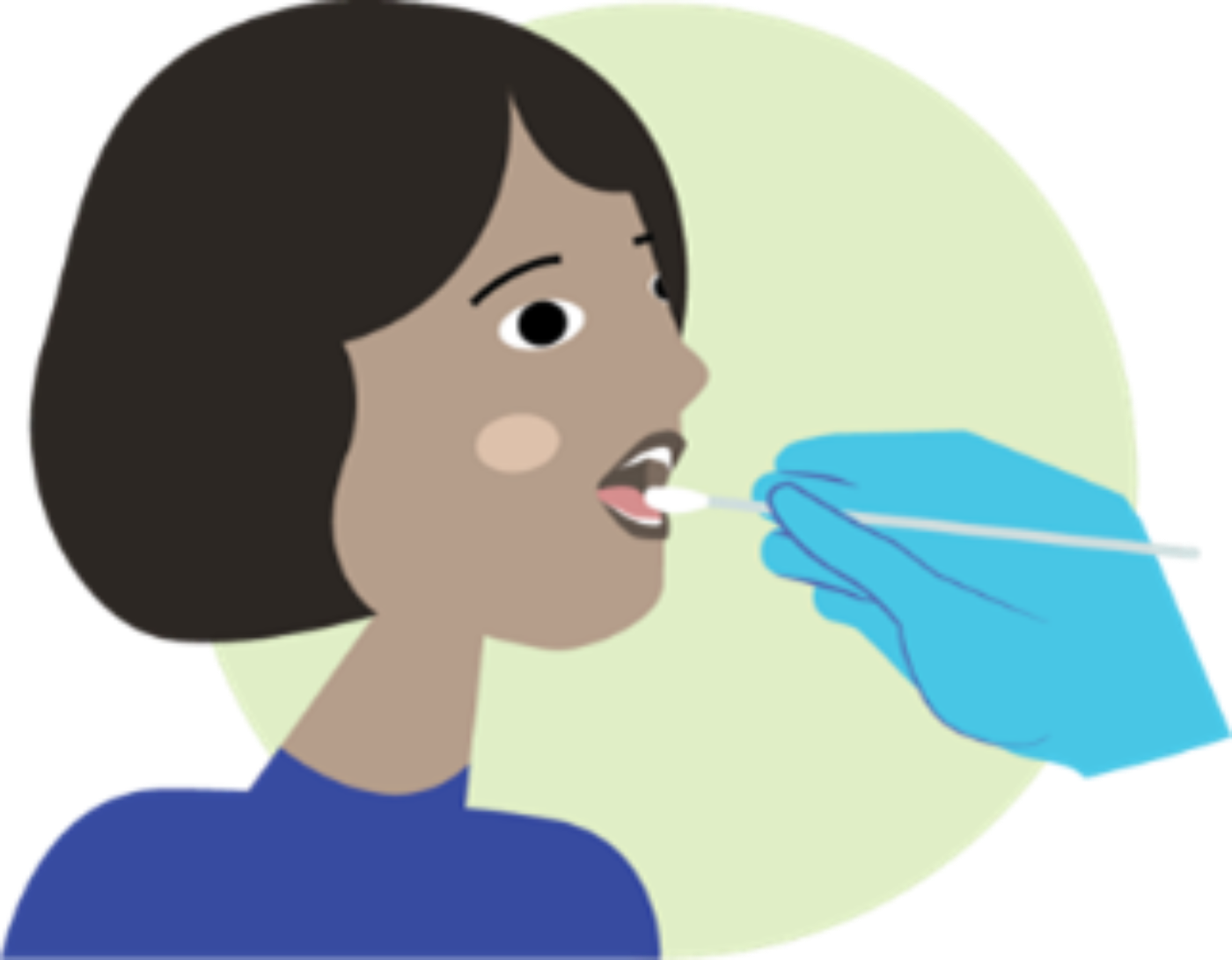
If you have no evidence about your relationship, the authorities might ask you to do a DNA test to prove you are related.
You can only be reunited with your family member if both of you declare in writing that you want to be reunited. You should try to provide this document in English if you can. Start preparing this information as soon as possible.
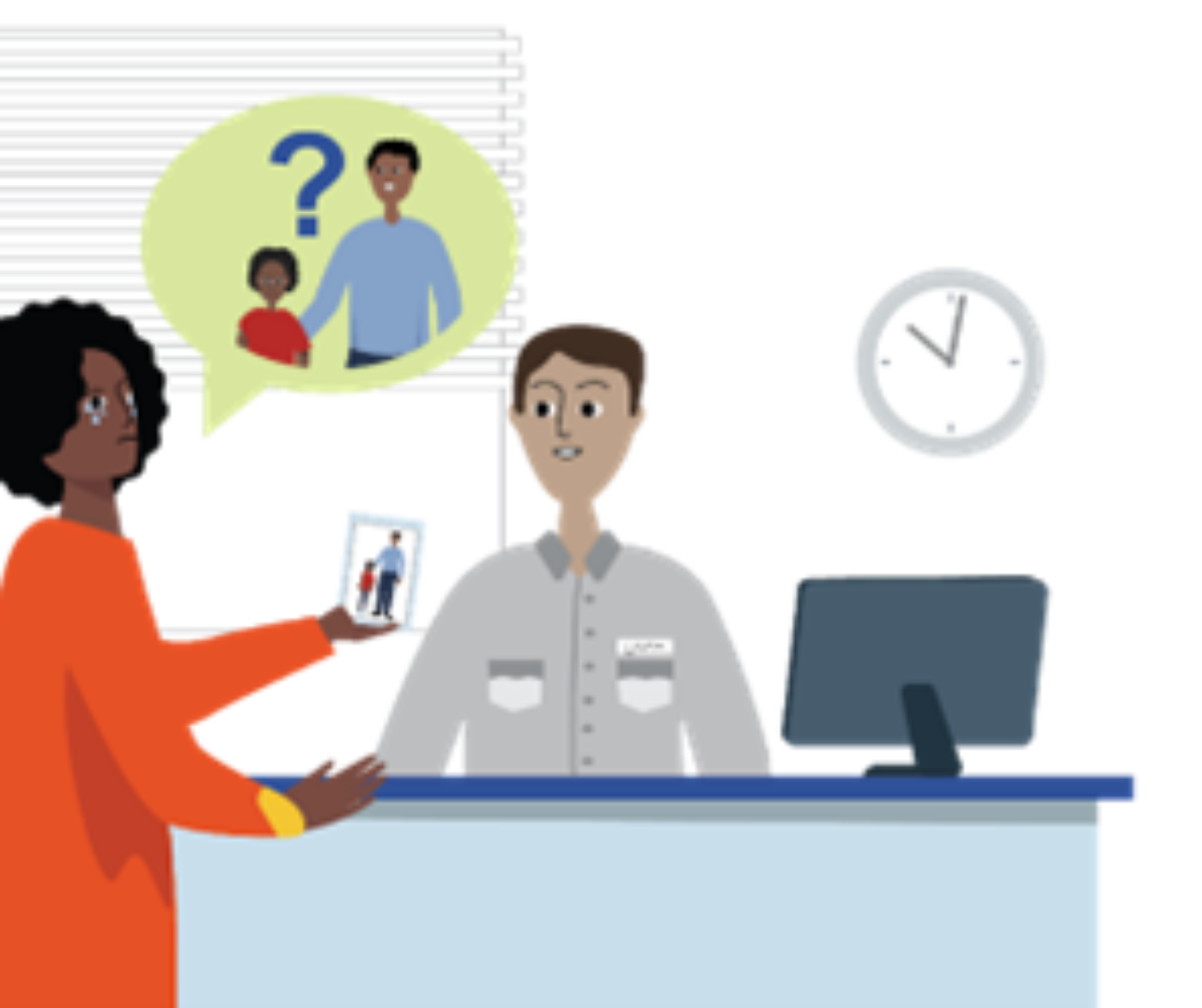
If you have more questions or need advice on the family reunification process, you can ask for help from a legal counsellor.
If you have a family member in another EU+ country but you have lost contact with them, there are organisations that can help you find them.
The BFA cooperates with the BBU GmbH in matters of family tracing. The BBU GmbH refers the matter to the Red Cross, which has the primary responsibility for conducting family tracing in Austria.
What if you have already applied for international protection in another EU+ country?
You are only allowed to apply for international protection in one EU+ country. If you have already applied for international protection in another EU+ country, you will be returned to the EU+ country that is responsible for examining your application.
If there is information to show that another EU+ country is responsible for examining your application, a notification will be sent to that country. If that EU+ country confirms that it will examine your application, you will be provided with a transfer decision stating which EU+ country you will be transferred to.
If this is not your first time applying for international protection, or it is already decided that another EU+ country is responsible for examining your application, the authorities might not carry out a personal interview with you.
However, you will have the opportunity to explain why you should not be transferred to that country or why you should be allowed to remain in this country. Please send the relevant information to the officer responsible for your case as soon as possible.
What do you want to know next?
Now that you know how the responsible country is decided, you can learn what happens during this procedure and what your rights and duties are.