Your rights and duties during the responsibility determination procedure
While the authorities decide which EU+ country will examine your asylum application, you have important rights and duties. It is important that you understand them. If you do not follow your duties, this can have negative consequences for your case.
On this page, you will find simple information about your rights, your duties, and what can happen if you do not follow the rules.
What are your rights?
While the authorities decide which EU+ country is responsible for your application, you have certain rights. These rights help protect you during this time. Below you can find the most important rights you have while waiting for a decision.

If you are applying for international protection, you have the right to free legal counselling. You can request this at any time from the authorities.
The legal counsellor will inform you of your rights and support you during the process. Legal counselling might be given in a group setting but the counsellor will not share your private information with other people.
You can request a legal counsellor here.

If you do not speak German, an interpreter will help you to communicate with the authorities during the registration and the lodging of your application as well as during your personal interview. The interpreter is free of charge.
The interpreter is neutral, meaning they do not favour anyone. They respect confidentiality and will not share anything you say with anyone outside of the competent authorities.
The interpreter has no influence on the decision on your application.
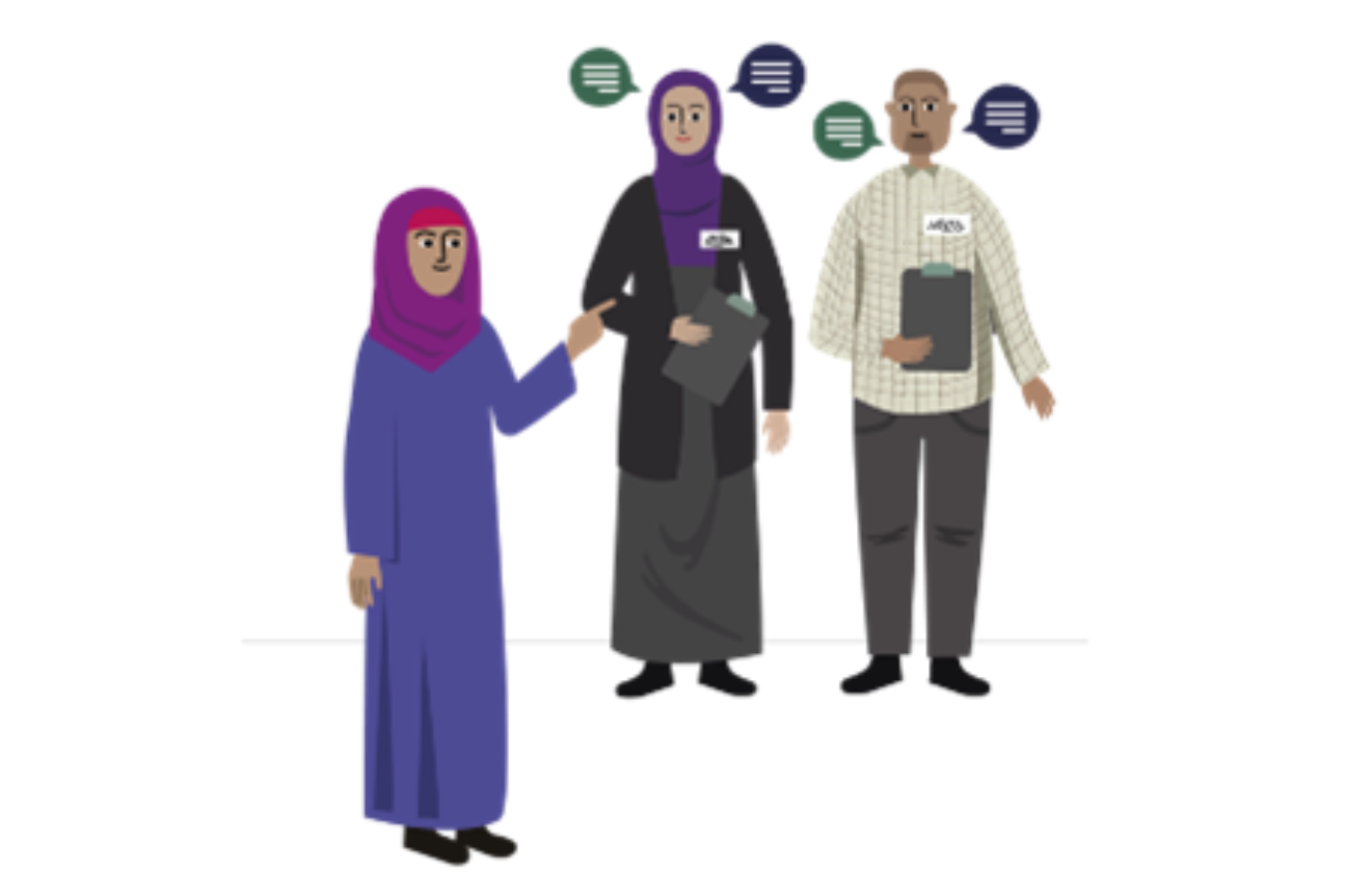
Inform the authorities immediately if you do not understand the interpreter or you think that the interpreter is not neutral.
You can ask for a male or female interpreter and interviewer for your personal interview, if this helps you to fully express yourself. Depending on your reasons and if there is availability, your request will be met.

You also have the right to request an update on the procedure to decide which EU+ country will examine your application.
If you would like to request an update, you can contact the officer responsible for your case. The contact details can be found on the official document you received after registration.
You have the right to contact and communicate with the United Nations Refugee Agency (UNHCR) in any step of the asylum procedure.
UNHCR protects the interests and the rights of asylum seekers and refugees.
UNHCR contact details and information on the asylum procedure can be found here.
What are your duties?
While your application is being examined to determine which EU+ country is responsible, you also have important duties. These duties help the authorities process your case correctly and make decisions more quickly. Below you can find the most important duties you must follow during this process.
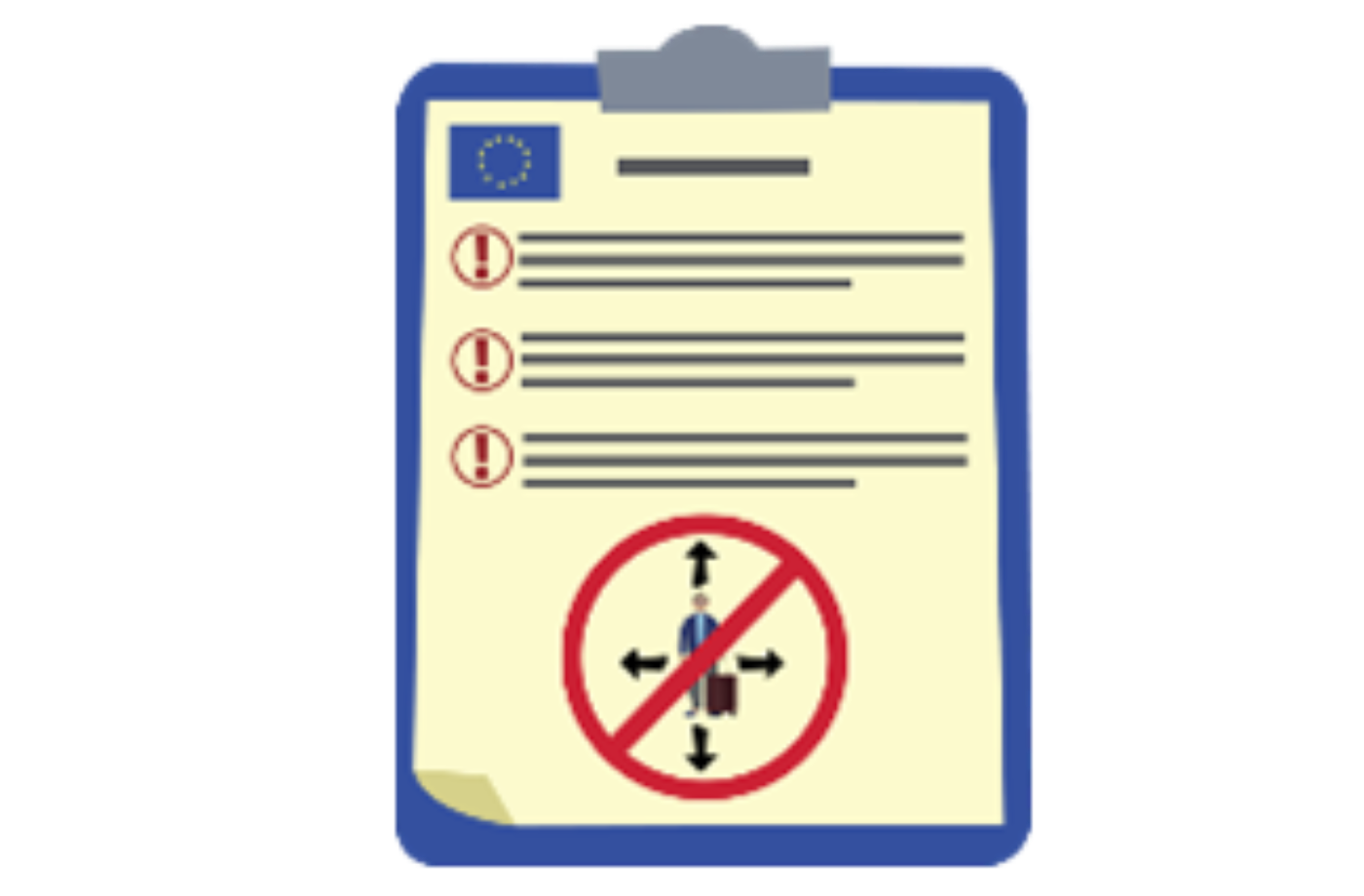
- You are obliged to stay in this country for the time being.
- You are only allowed to travel to another EU+ country if you are given permission to do so by the authorities.
- If the authorities decide that another EU+ country will examine your application, the authorities will arrange your travel to that country.
You must:
- Remain in this country whilst your application is registered.
- If you have been issued a visa or residence permit in the past, apply for asylum in the country that issued it to you once you arrive there.
- Present all ID documents you have to prove your identity. If you had an ID document but you no longer have it with you, you should still inform the authorities that you were provided one in the past by the government in your country.
- Let the authorities know of any time you have travelled to another EU+ country.
- Inform the authorities if you have stayed in an EU+ country without permission.
- Inform the authorities about any close family you have in another EU+ country.
Important!
You are obliged by law to give your fingerprints and have your photograph taken.
Share with the authorities all documents you have with you regarding:
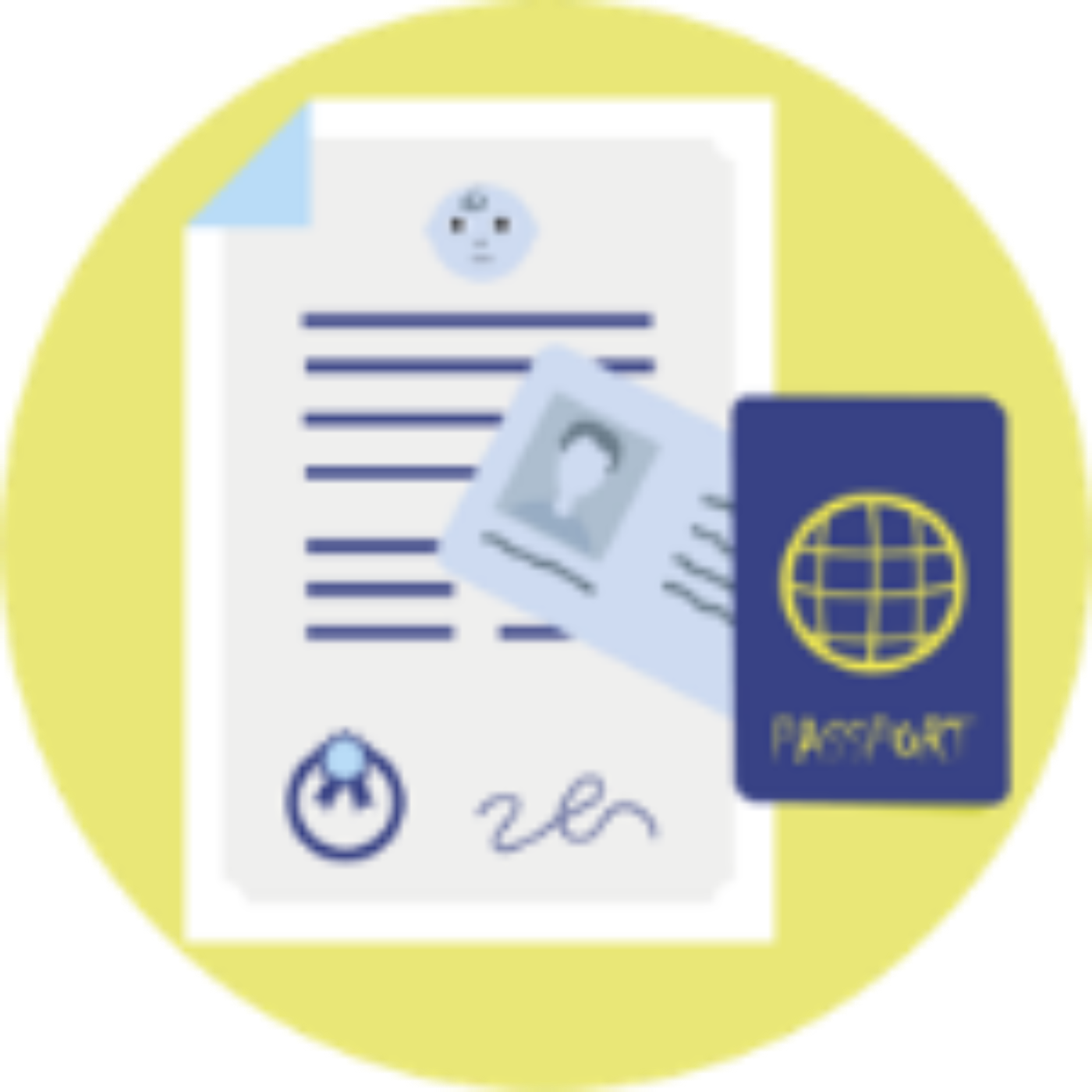
- your identity (birth certificate, passport, ID card)

- close family members in EU+ countries (official documents, proof you are in contact)

- previous stays in EU+ countries (based on a residence permit, a visa or to obtain a school or university diploma).
Please provide this information as soon as possible. This way, the EU+ country responsible for your application can be identified faster.

The authorities in this country will take your fingerprints and photograph. This data, together with information on your identity and other relevant information, will be transmitted to a shared European database called Eurodac.
This database is used by all 31 EU+ countries who can process your data to retrieve your information. If you move to another EU+ country without permission and your fingerprints are taken again, all of your data that is stored in Eurodac will be seen by the authorities of that country.
You can find more information on the Eurodac database here.
What are the consequences if you do not follow your duties?
If you do not follow your duties during this process, there may be consequences for your application and your stay in the EU+ country responsible for your case. Below you can find the most important consequences and what they may mean for your situation.

If you do not cooperate with the authorities, this will have negative consequences for your application.
If you do not give your fingerprints, the authorities may conclude that you are no longer interested in asylum in Europe. They will stop examining your application, which will mean you no longer have the right to remain in that country.
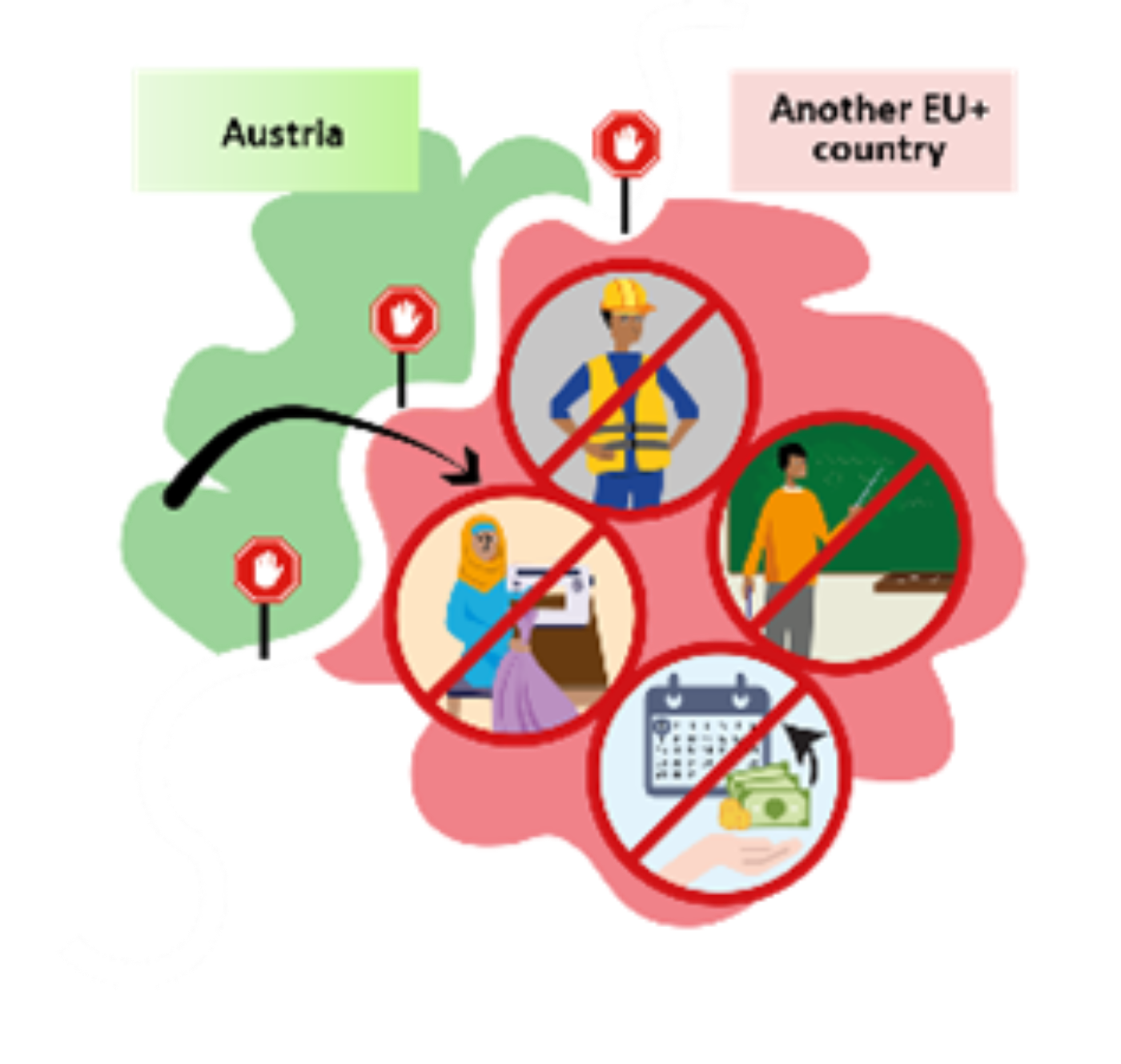
If you travel to another EU+ country without permission or apply for international protection in a different EU+ country, it is likely you will be returned to the EU+ country that is responsible for examining your application.
If you are present in an EU+ country other than the one where you are required to be present, your freedom may be restricted and you may receive less support.
What does detention mean?
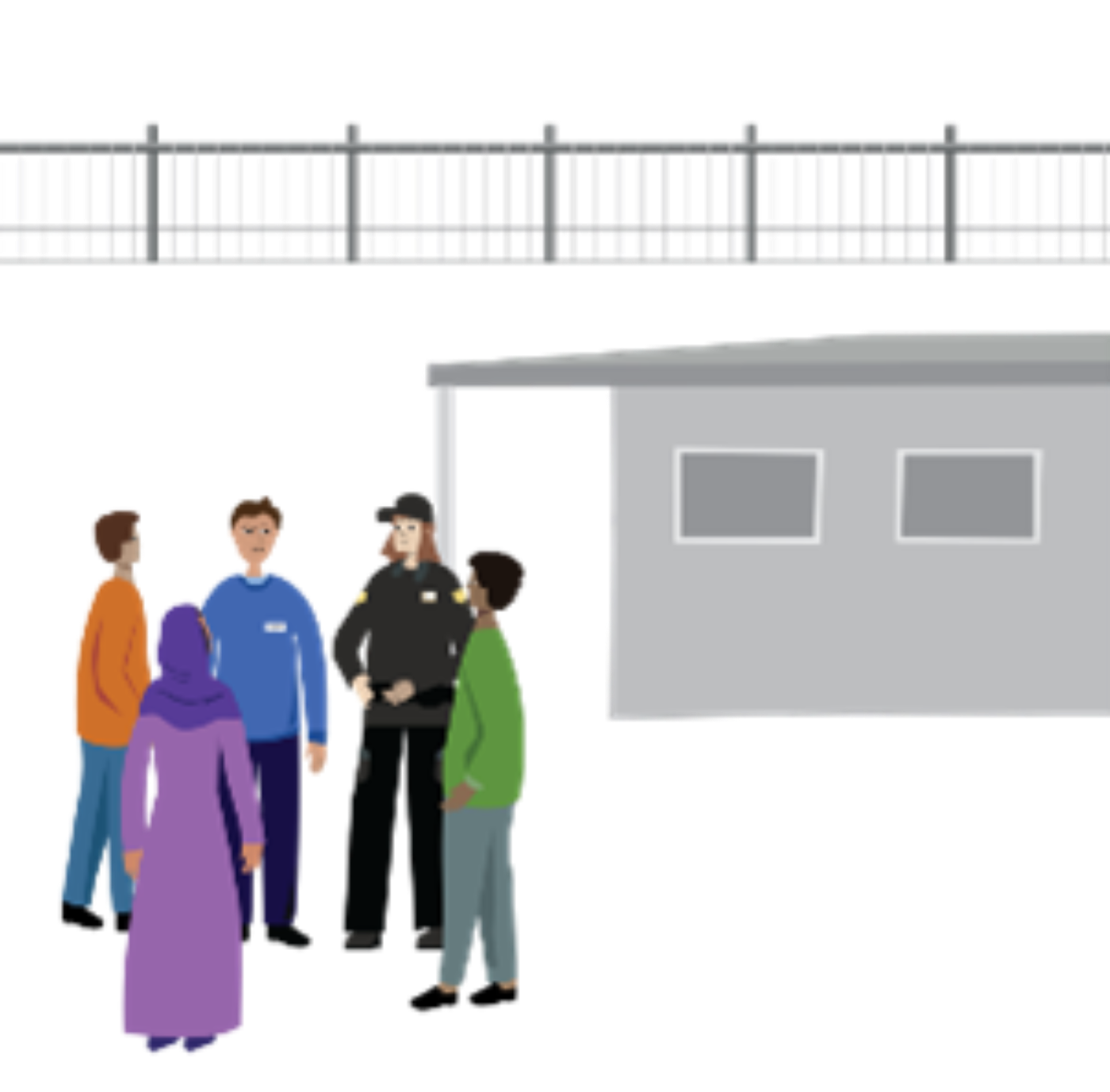
Detention means that you are placed in a specific facility that you cannot leave freely. The authorities must have a valid reason to detain you. They must be sure that no other option is possible in your case. The authorities will evaluate your personal situation before making a decision. The reasons for detention can be, for example:
- important aspects of your asylum application (for example your identity) cannot be verified without detention
- you did not respect the obligation to stay in a specific place, or there is a risk you run away again and the authorities cannot reach you
- you received a decision to be transferred to the EU+ country responsible for examining your asylum application and there is a risk you run away before the transfer
- you pose a security risk.
If you are detained, you can appeal the decision and can request free legal assistance and representation.
Important!
If you travel to another EU+ country without permission, it will increase the risk that you will be detained in the future.
What do you want to know next?
Now that you know your rights and duties during this procedure, you can learn more about how the responsible country is determined and how this procedure works.