Your representative and other support
Because you are under 18 and arrived without your parents, a representative will help you and make sure your rights are respected. Other professionals can also support you in your daily life and during your asylum procedure.
On this page, you will learn who these people are and how they can help you.
What happens if you are under 18 and arrived alone?
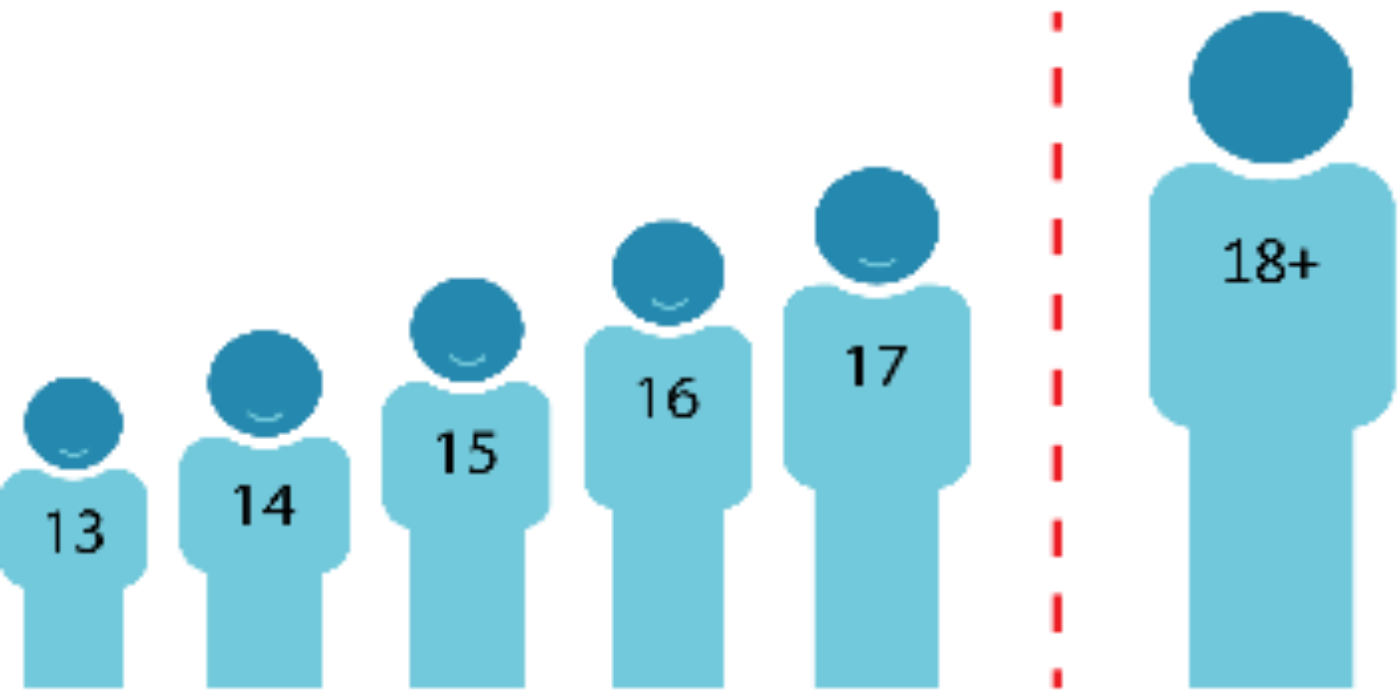
In Europe, everybody younger than 18 years old is considered a child. As a child you have special rights. Your safety and well-being are very important.
If you are below the age of 18, and particularly if you arrived alone, tell the officers immediately!
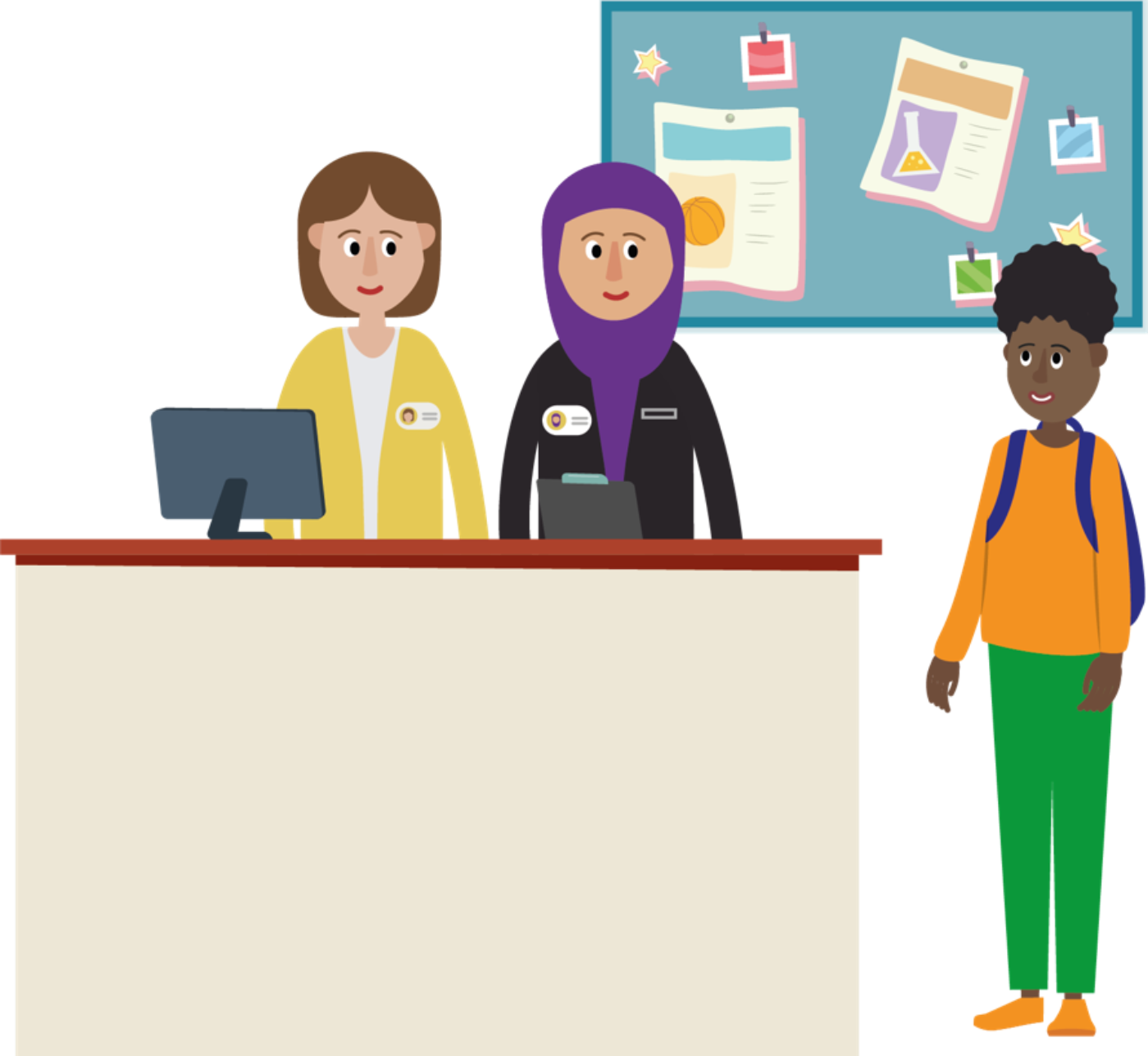
This is important because a person below 18 is considered a child and children need more help than adults. Officers trained in working with children will talk to you. Don’t try to hide that you are a child!
The authorities must give you a safe and suitable place to stay called reception. They'll explain how you get food and essentials. Children on their own may be placed with other children in a similar situation and depending on their needs.
Who will help you?
Because you are here without your parents, another adult called a representative will help you with your needs. This person is independent of the authorities.
A representative is a person who assists children who arrive in Europe without their parents or another adult responsible for them.
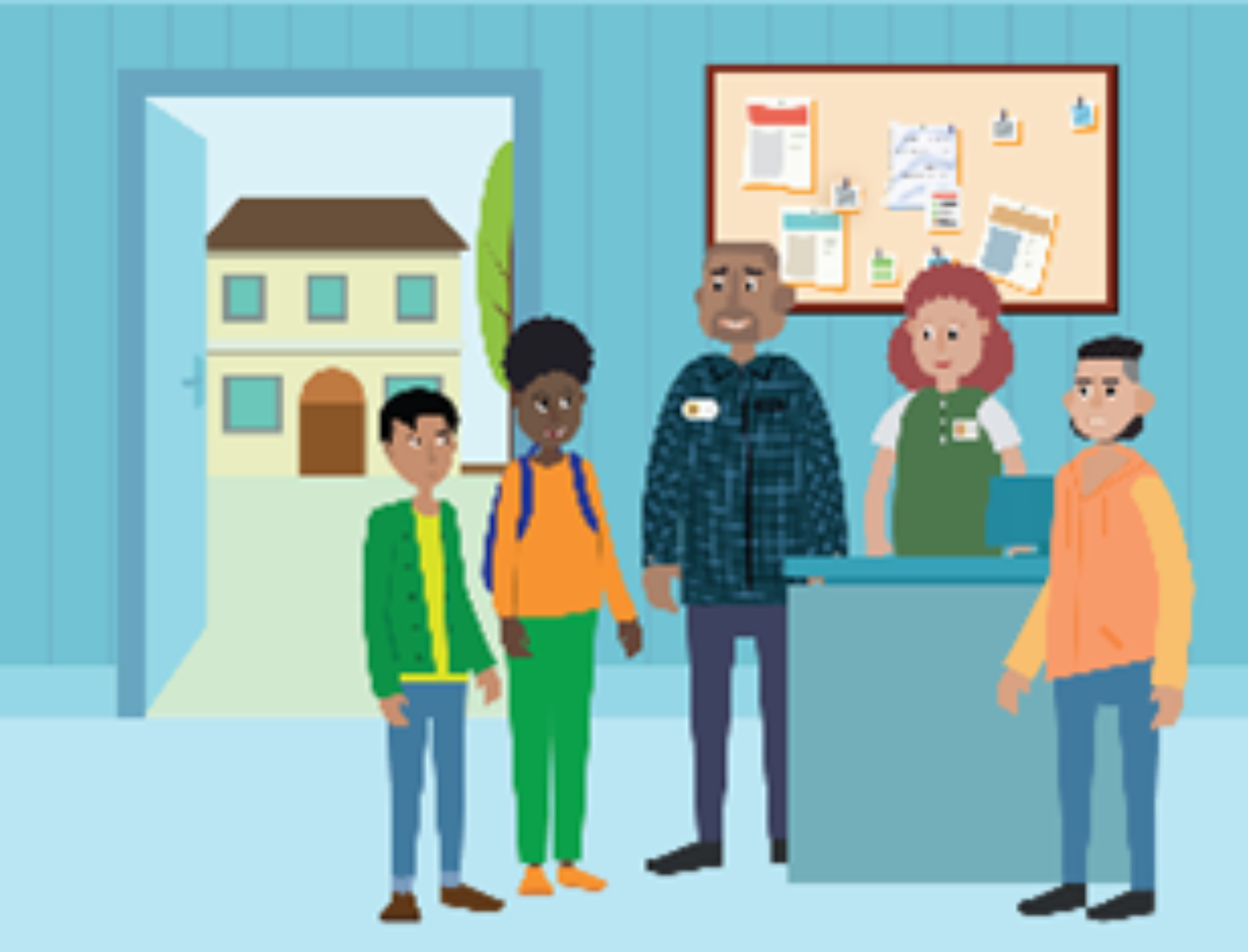
A representative can be a man or a woman. Representatives can also be called guardians.
A representative does not try to replace your family but will support you while you're on your own. They ensure that your best interests are protected until you no longer need help.
If you have not yet met your representative, you will meet them as soon as possible.
Sometimes, the authorities may first assign a temporary representative to support you until you meet your permanent representative.
What is the role of the representative?
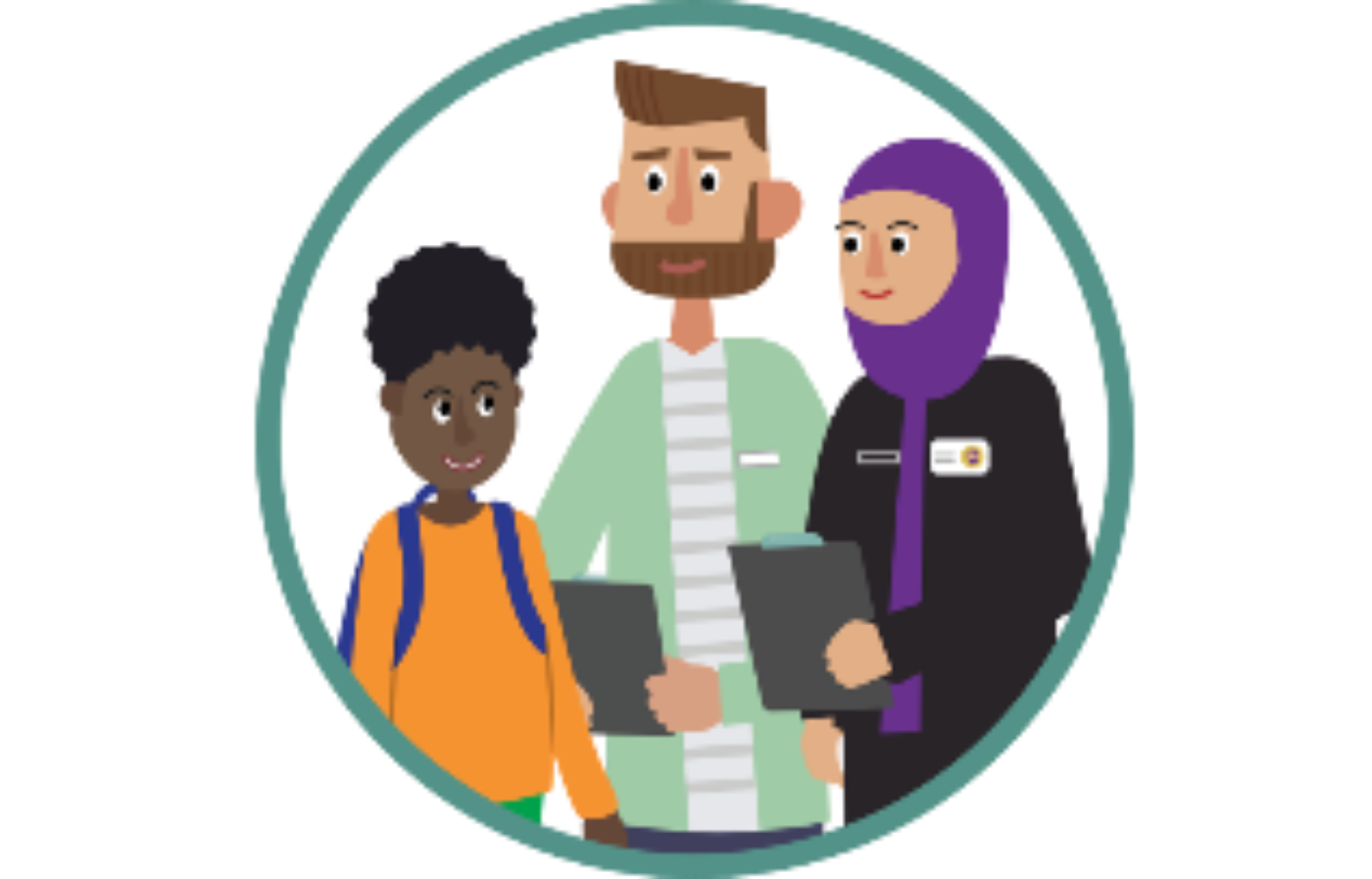
Your representative tells the authorities what you need, provides you with advice and helps you with making important decisions.
For example, a representative will:
- assist you with your asylum application,
- explain the procedures,
- explain your rights and obligations and
- participate with you in meetings with the authorities.

Your representative explains to you everything you need to know about your stay and helps you to find answers to your questions. For example, about how you can go to school, how you can see a doctor, where you will live, how you can look for or contact your family.
You can always tell the representative your opinion, ask them questions and tell them if you need anything. They are there to support you.
What you say to your representative or to the officials will remain confidential. This means that the information you give to them will never be shared with the government of your home country nor with the people that you fear.

- you are unwell, injured or in need of urgent medical assistance or medication
- you use drugs or drink alcohol

- you experienced violence or abuse in the past or you are experiencing it now
- you are or you might be pregnant

- you cannot walk on your own or you have difficulties hearing and seeing
- you are very worried, sad, you cannot sleep or you have negative thoughts

- you feel unsafe or are afraid of someone, either a stranger or a person you know
- you have been or are being forced to do things you don’t want to do
- you feel unsafe due to your faith, who you love, how you dress or behave.
Remember!
In order to support you best, it is very important that you talk to your representative and work together with the asylum authorities.
What can you do if someone treats you badly?
No matter where you are staying, you have the right to be safe.
Nobody is allowed to:
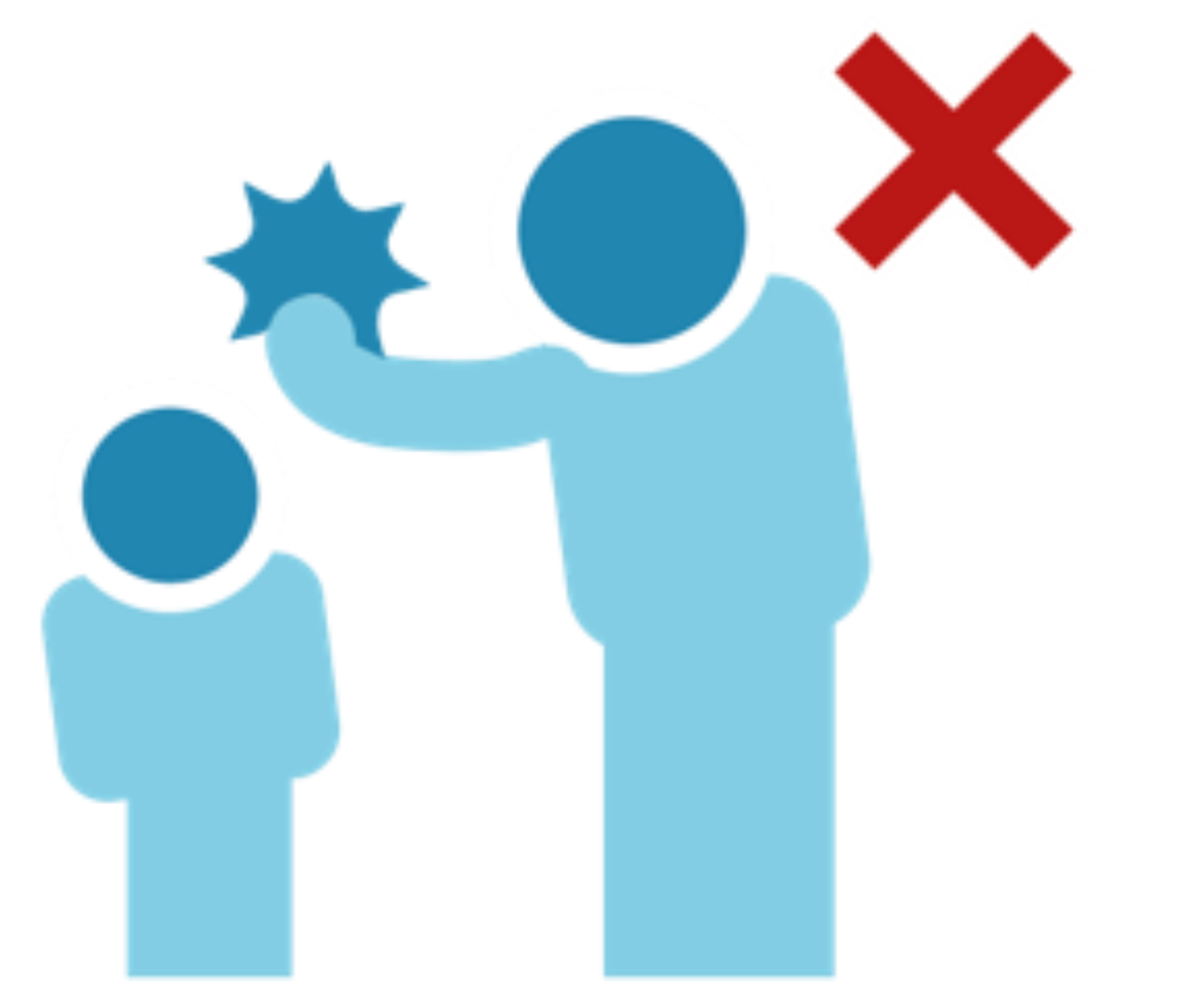
threaten you

insult you

harm you
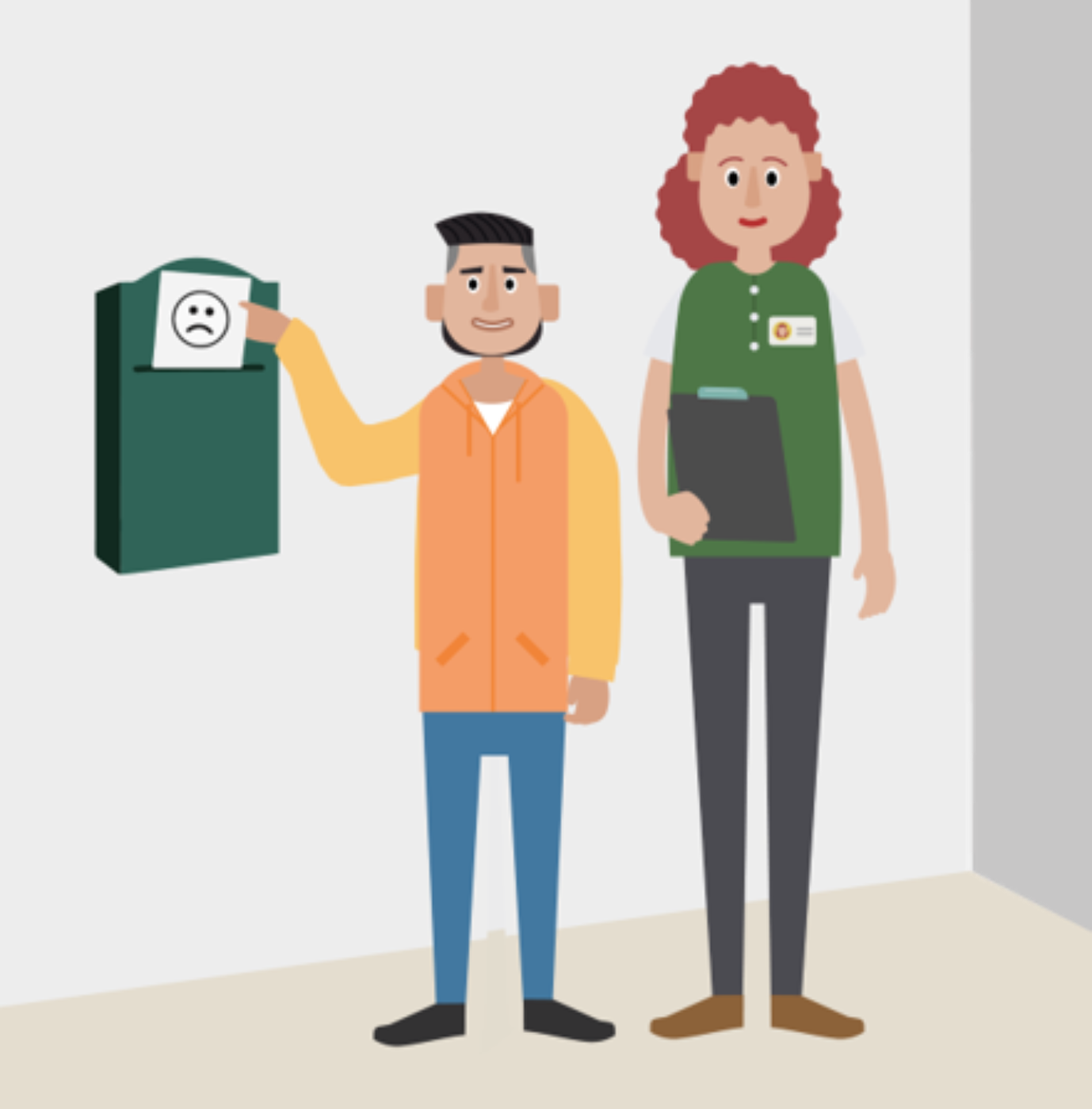
No matter who they are, a stranger or someone you know. If you have any problems with the staff or your representative, you can speak up.
You can talk to a person you trust, another staff, your representative or a teacher.
If someone treats you badly, you can report this to the authorities, legal advisors or reception staff to avoid it happening again. This is called 'making a complaint’.
If you have a problem with your representative, tell the staff of the Child and Youth Welfare Service. It will not negatively affect your asylum application.
Be careful, some people might put you in danger.
Be cautious of people offering help in exchange for favours or money. They may have bad intentions.
Someone might encourage you to try to leave. But remember that you must not leave, as this could be dangerous for you.
Immediately tell your representative, or the adults working at the place where you are staying, if somebody is trying to convince you to do something that you do not want or something that seems wrong.
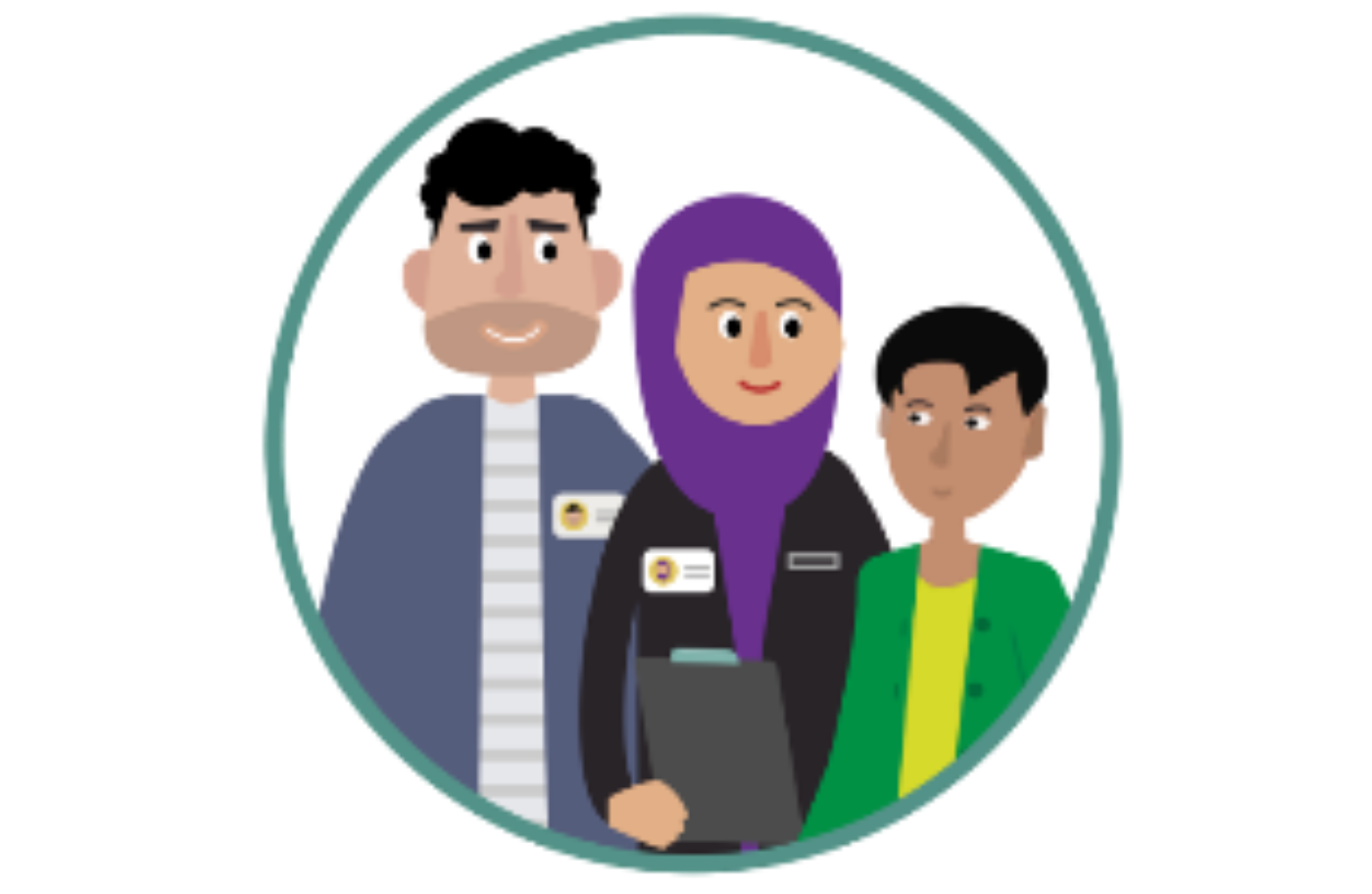
Who else can help you?
-
A case worker of the BFA will review your asylum application.
-
Reception staff can support you during your stay but cannot influence your asylum application.
- A social worker will help you with your everyday needs or contact other professionals who can help with a specific problem.
- A doctor or nurse will help you if you feel sick, you are injured or you need any kind of medical assistance.
- A psychologist will help you if you feel sad, angry, afraid, worried or you find it hard to sleep.
- A legal adviser will help you to understand what will happen during the asylum procedure and in case you believe your rights are not respected.
- An interpreter can help you communicate in a language you understand. Their role is to translate exactly what you and the others say.
The staff will also inform you about non-governmental organisations who may also provide you with information and assistance.
You can contact UNHCR anytime. UNHCR protects people who were forced to leave their country.
You may also contact UNHCR at anytime during your asylum procedure. UNHCR supports and protects applicants and refugees.
People working for UNHCR provide information and assistance to applicants. You can find more information here.
What do you want to know next?
You can learn more about what will happen during your asylum procedure or who can help you find your family.

