Help with searching for your family
You may have family members in another country or you may not know where your family is.
There are ways to help you find your family or get in contact with them. Your representative and the staff can support you with this.
On this page, you will learn how family tracing works and what happens if your family is in another European country.
What can you do if you want to contact your family?
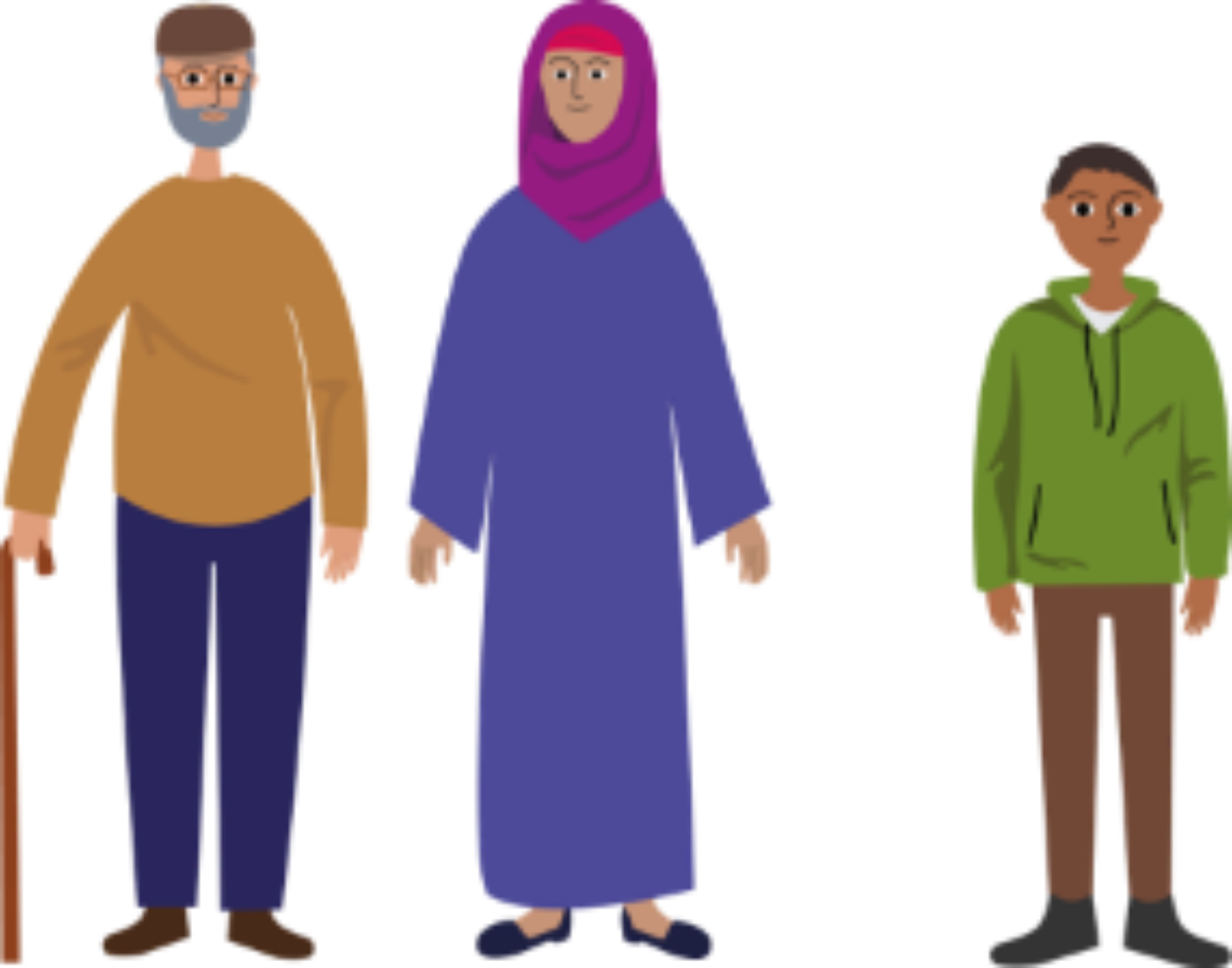
If you do not know where your family is, or you have lost contact with them, you can ask your representative or the staff for assistance.
They'll help you find them, if it's in your best interests. Talk to your representative, if you don't want to join your family.
If you know where your family is and you have their contact details, the staff can help you to call them if you wish.
When we say family, the authorities normally focus on close family like parents, siblings, grandparents, uncles and aunts.
How will the authorities help you search your family?

There are organisations who can help you look for your family members safely without you moving on alone. If you leave, you risk losing some services and support elsewhere in another country.
You can contact the organisation that reunites family members with your representative.
They'll ask their names, where and when you last saw them, if you know where they are and so on. Your answers are noted on a family tracing form, which your representative can help you fill in.

In rare cases, some countries will ask for a medical test, like a blood or saliva sample to check if you are related. Your saliva contains lots of information. You can choose if you want to take this test or not. Talk to your representative for advice.
Be aware: if the authorities doubt the family relation or they do not have enough information, they might not allow reunification. Of course, you can appeal such a decision.
The organisation helping with family tracing will tell you if they find them.
If you, your family and your representative all agree, you will be reunited with the support of the authorities. If you don't want to be reunited with your family, you can disagree. This could be the case if a family member is violent.
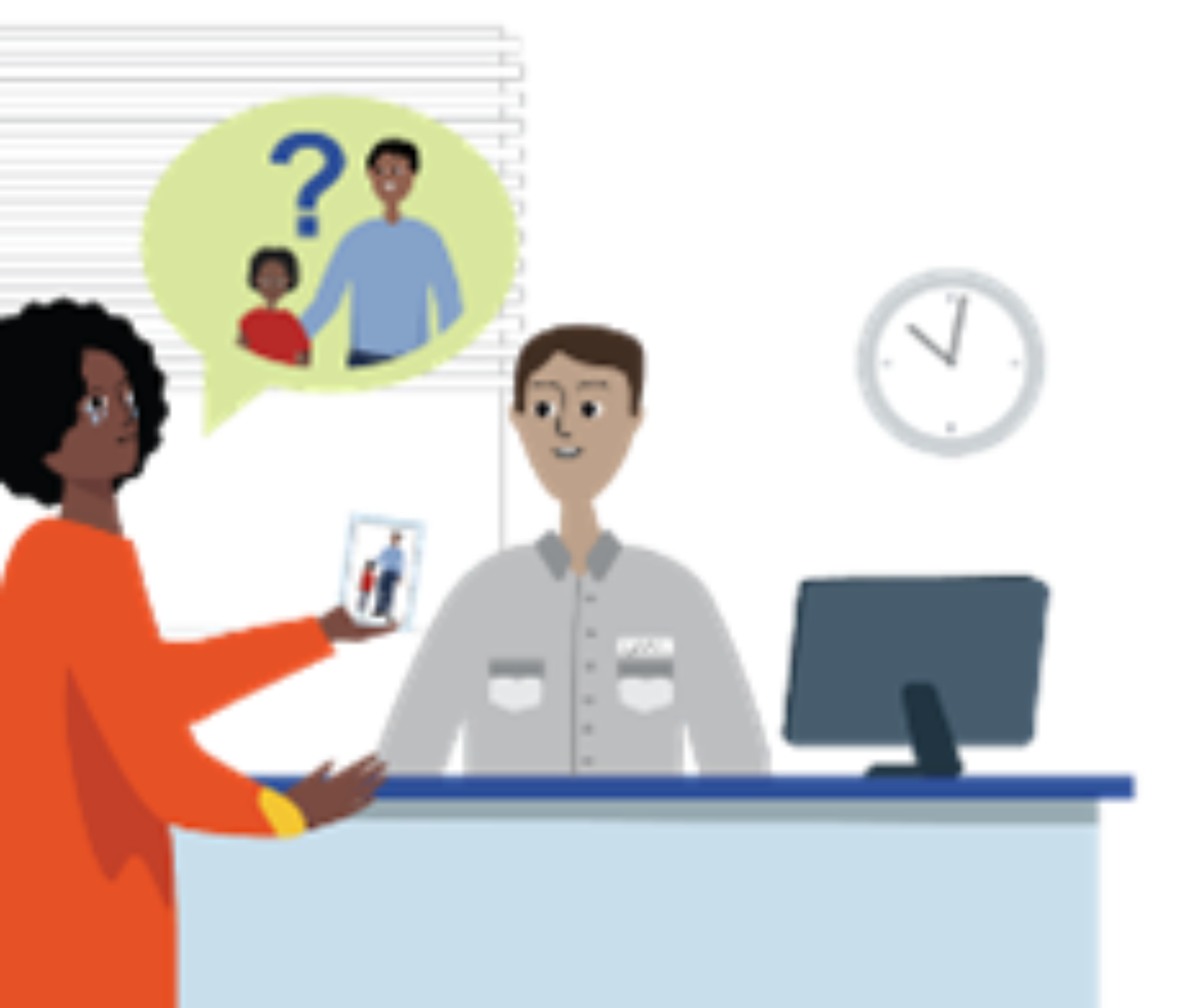
The authorities must always consider what is best and safest for you. Trained officers will ask you questions, to learn as much as possible about your situation.
The authorities will first check if your family member:
- is healthy and strong enough to care for you
- lives in a safe place
- can provide you with food, clothes and education
- and has treated you well in the past
The time for the family tracing procedure varies. You need to be patient. The representative will give you updates. Keep busy, learn the local language, ask your representative about activities you can join.
What if you have family in another EU+ country?
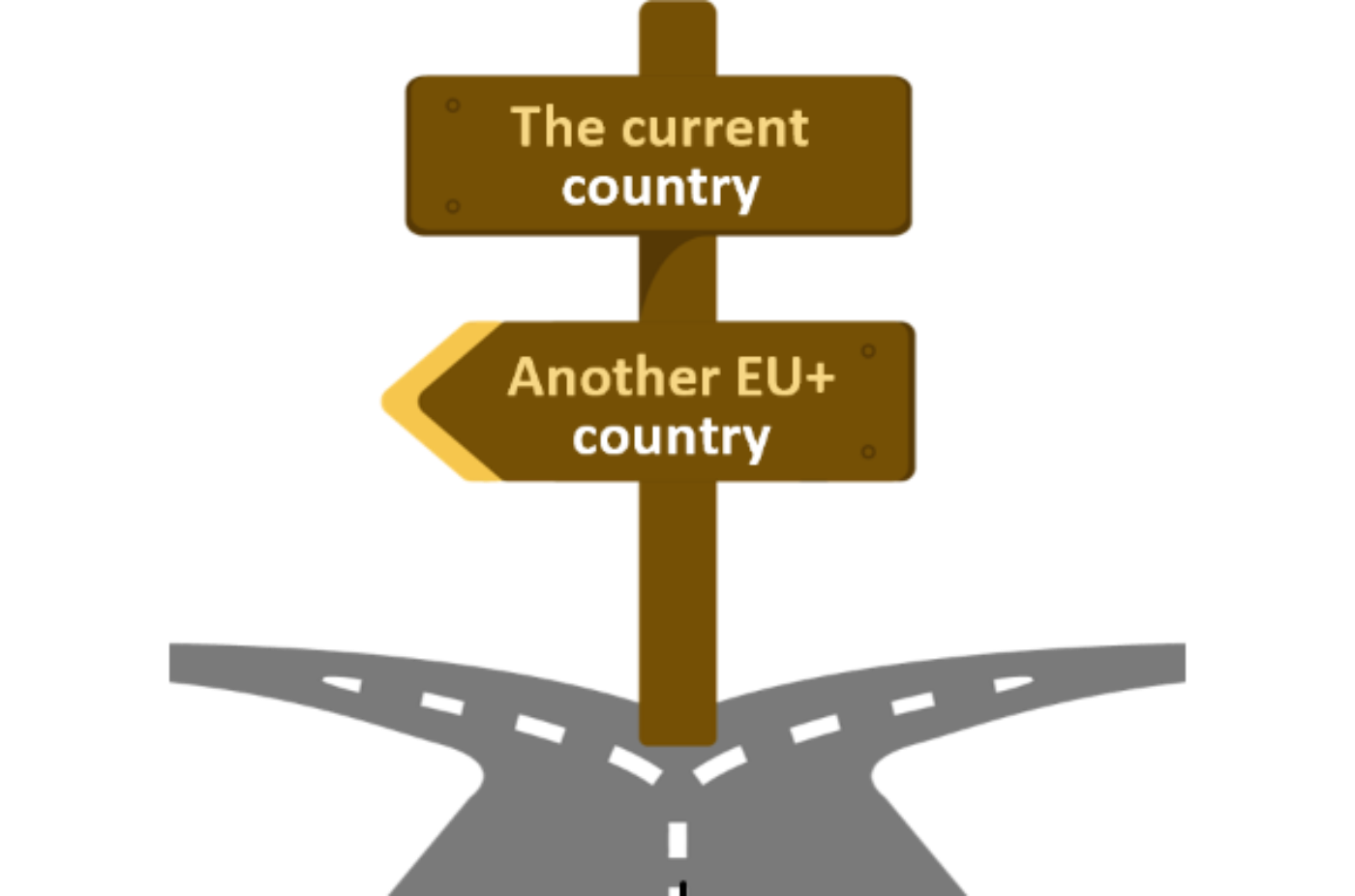
After registration, the authorities will decide which country will examine your application. It will be either Austria or another European country. You cannot choose the country, but your best interests will be taken into account. The authorities will explain this to you.
It is important that you tell the authorities during the registration:
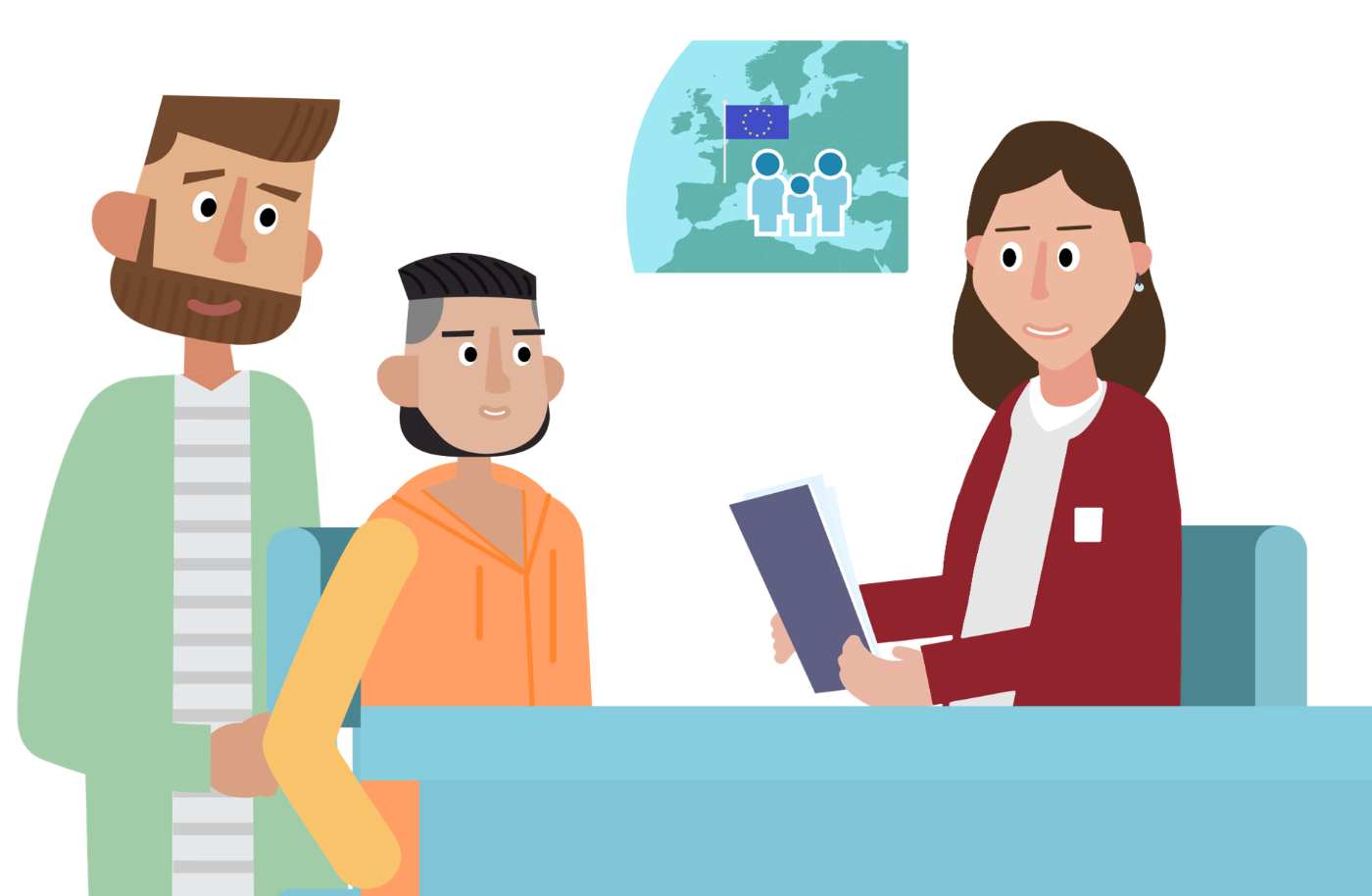
- if you have family in another European country
- if you have asked for asylum in another European country before.
If you have family in Europe, it is important to tell the officials everything you know about your family. It is possible that you can stay with them either in this country or in the country where they are living.
What happens if you run away to one of the EU+ countries?
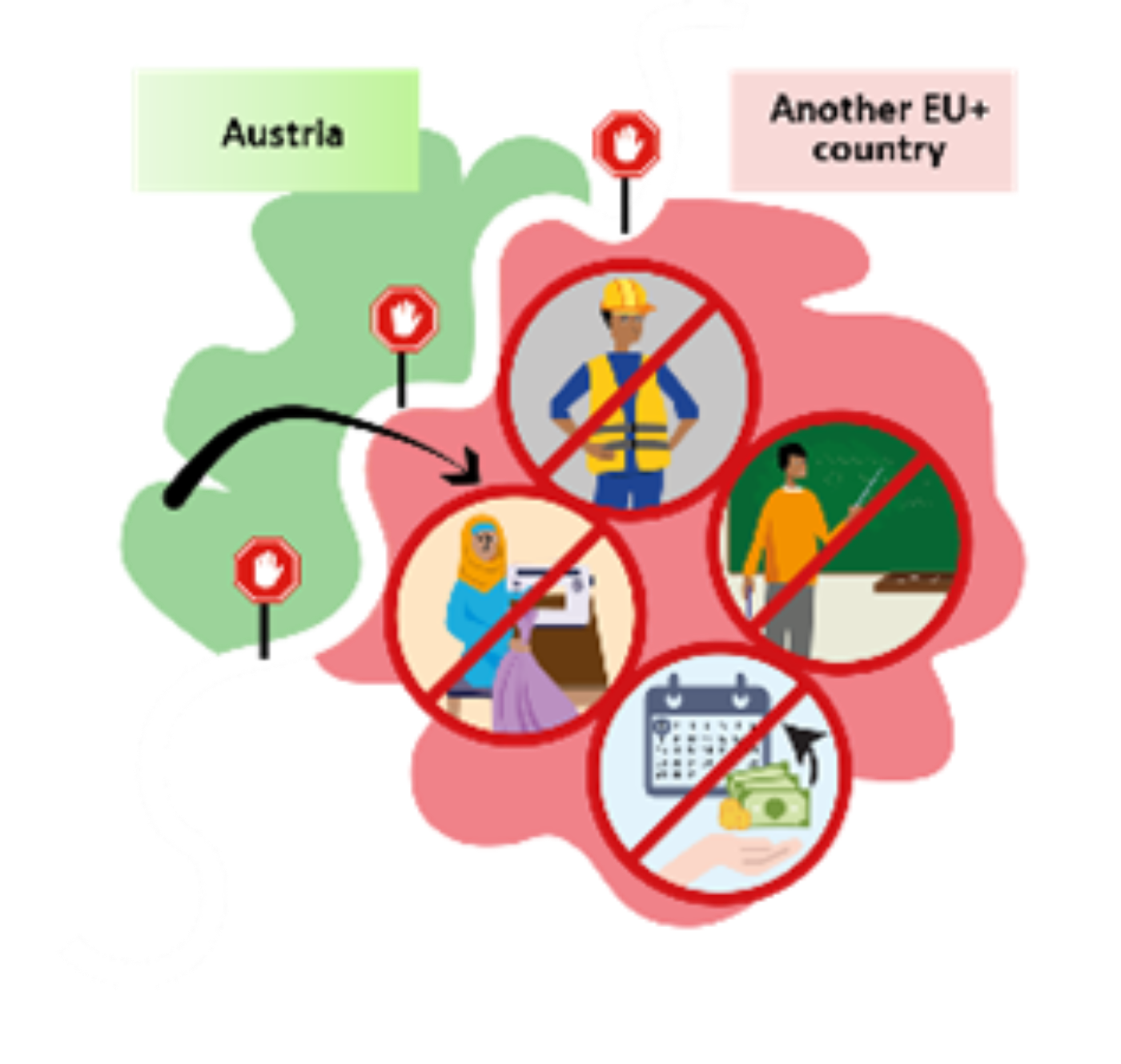
You must stay in Austria and not run away to one of the other EU+ countries.
If you have family members in one of these countries, the authorities will inform you about your rights on family reunification. Do not just run away. If you run away, there will be negative consequences. For example, you will receive less reception support in the other country.
If you move on and ask for asylum in another country, which is not the country where you first arrived and responsible for you the authorities there might send you back.
Always talk to someone who you trust before making big decisions like leaving for another country.
A child should never pack their bag and leave. Travelling alone can be risky.
What do you want to know next?
You can learn more about who your representative is or what will happen during your asylum procedure.